
Evelyn Garcia Medina
To help protect the environment and local communities, travelers can make small changes to reduce the waste that tourism leaves behind.
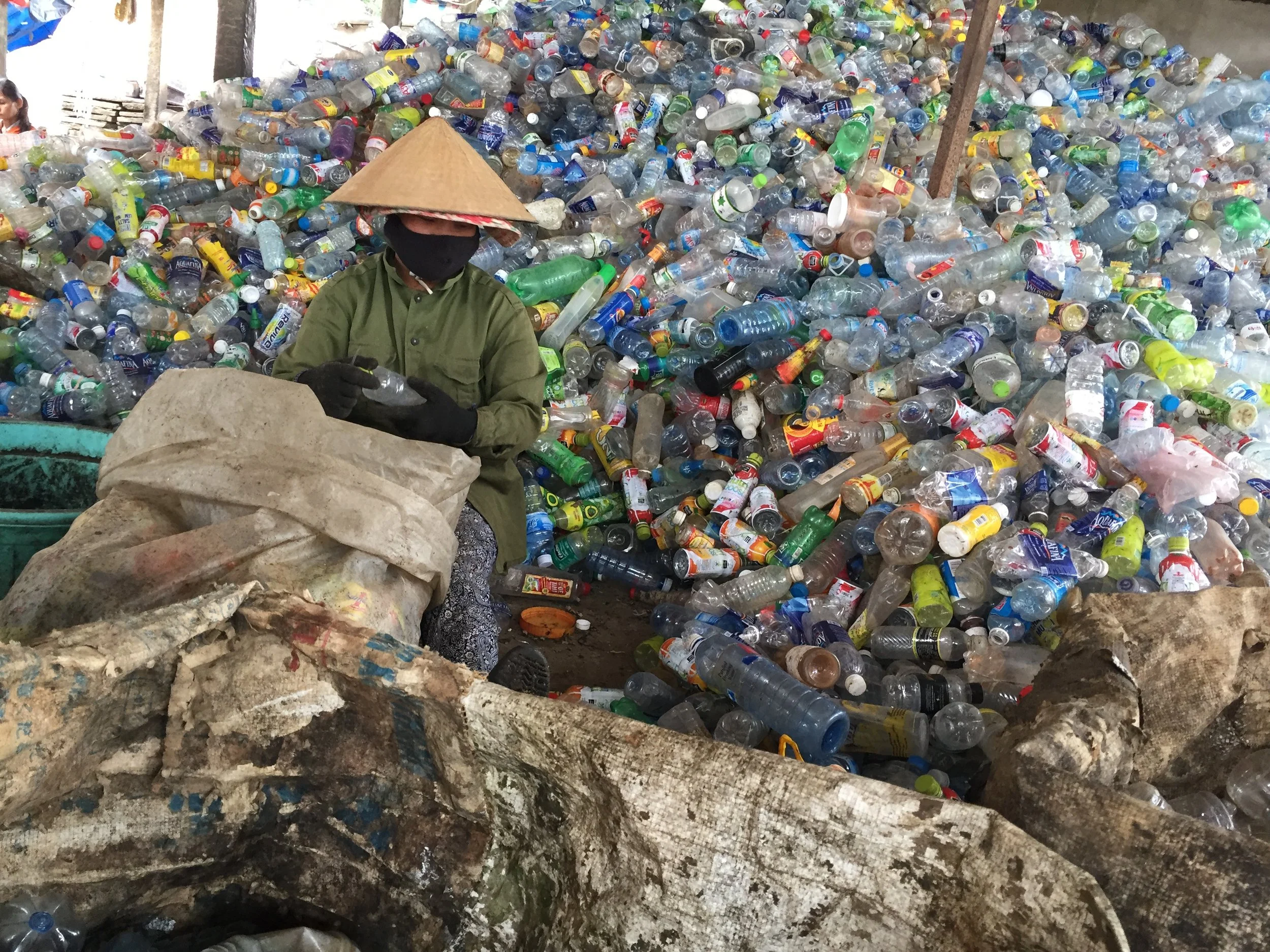
Recycling waste in Vietnam. Global Environment Facility. CC BY-NC-SA 2.0.
Traveling creates memorable adventures and allows us to learn about other cultures. But there is a duality to tourism. Many travelers see the popular attractions a country or city has to offer, but not all the waste that’s created as a result. In 2024, UN Tourism estimated 1.4 billion international tourists, an amount bound to contribute to overconsumption. While there aren’t many studies on worldwide travel waste levels, it’s estimated that upwards of 35 metric tons of solid waste are produced every year from travel.
There are various ways the travel industry affects places, including harmful emissions, water use, land exploitation and more, but waste production is among the most prominent issues. In certain places, a tourist generates double the waste of a local resident, causing landfill and sewage system overflow and making local waste management difficult. Multiple types of waste come from tourism, including single-use plastic and food waste. There are many small changes we can make in the way we pack and plan trips to reduce waste levels.
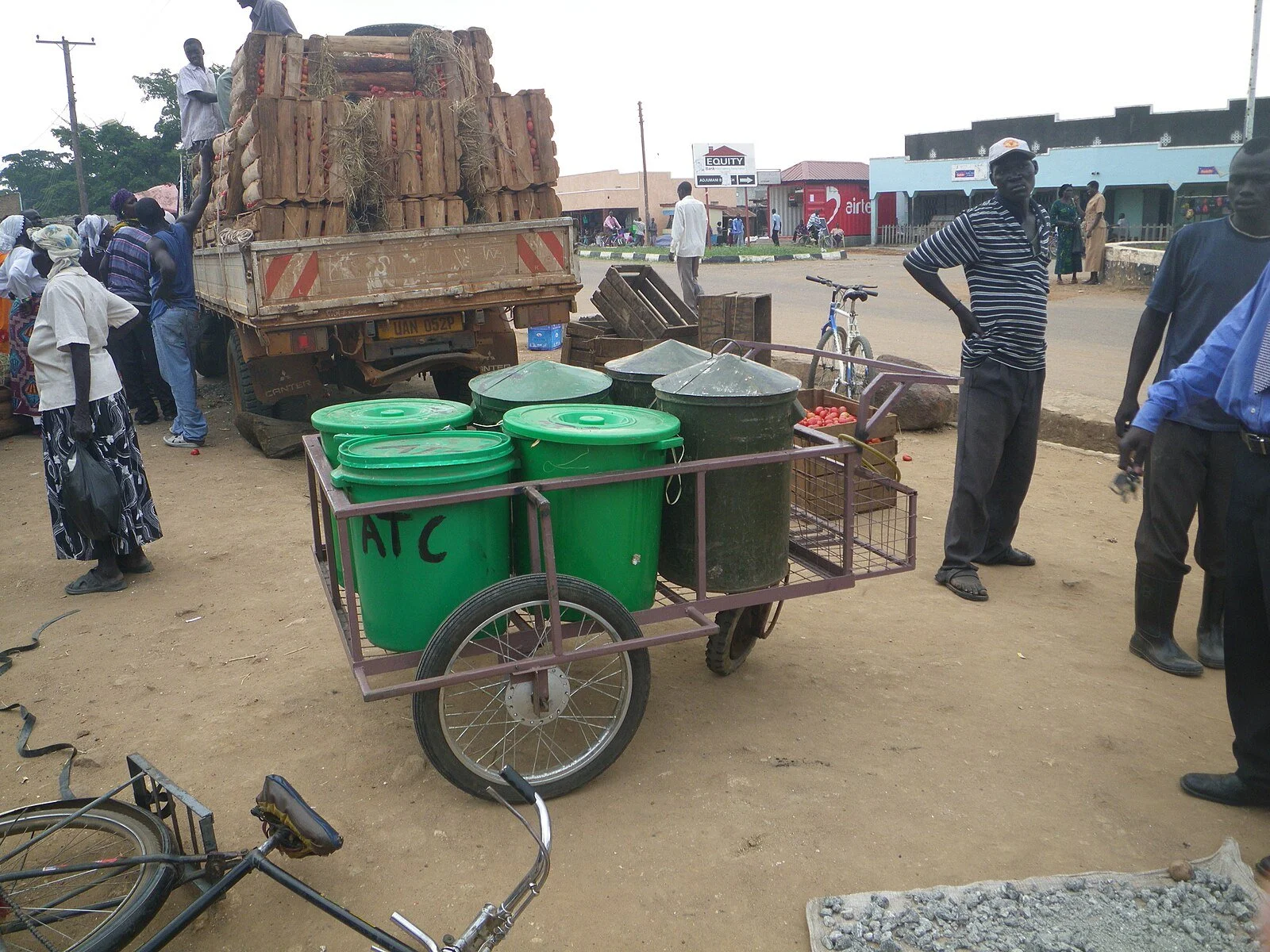
Pushcart for waste collection in Uganda. Johannes Harzer. CC BY 2.0.
One of the biggest packing tips to reduce negative waste impact is to pack light. Heavier luggage requires vehicles to use more fuel, thus increasing carbon emissions. As well, a packing list with only necessary items can be a useful guide to finding reusable items to take with us. For example, sustainable toiletries, like shampoo, conditioner and soap, can be purchased in bar form, a healthier alternative to the mini plastic toiletries promoted for travel. Reusable bags, water bottles, straws, coffee mugs and cutlery are recommended items to pack as well, as they prevent unrecyclable trash, like plastic, from overpopulating garbage centers. Every minute, there are one million plastic water bottles purchased in the world, and most don’t get recycled. This tells us that something must be done about waste when we travel and how it interacts with our everyday lives.

Kids pose in their neighborhood trash pile. Victor Pinchuk. CC BY-SA 4.0.
Apart from packing, there are changes we can make during travel to continue practicing sustainability. These changes include using public transportation as much as possible, renting activity equipment and avoiding overordering food to minimize waste. Be vocal with personnel at the establishments and lodging you visit; offer positive feedback about their eco-friendly practices so they know customers and guests care to protect the environment. Visit animal sanctuaries, national parks, monuments and other areas with protections to support their conservation efforts and the local economy.
Reducing waste when we travel isn’t just about the changes we make but about showing respect for the places and people we visit. Every small change we make has an impact that goes beyond the trips we take. By being mindful of our habits, we help conserve natural resources, protect local communities and preserve the environment for future generations. Traveling sustainably allows the environment to stay intact so that both locals and travelers can continue to enjoy it for years to come.

Evelyn Garcia Medina
Evelyn is a recent Chicana graduate with a B.A. in English and Comparative Literature. Born and raised in the Bay Area, she draws inspiration from her passions: her cultural roots, environmentalism, and human rights. In her free time, she goes on hikes and enjoys learning about current social issues, history, and animals.