
Alex Jung
Amidst climate change and poverty, Antigua and Barbuda actively promotes ecotourism for both locals and global travelers.
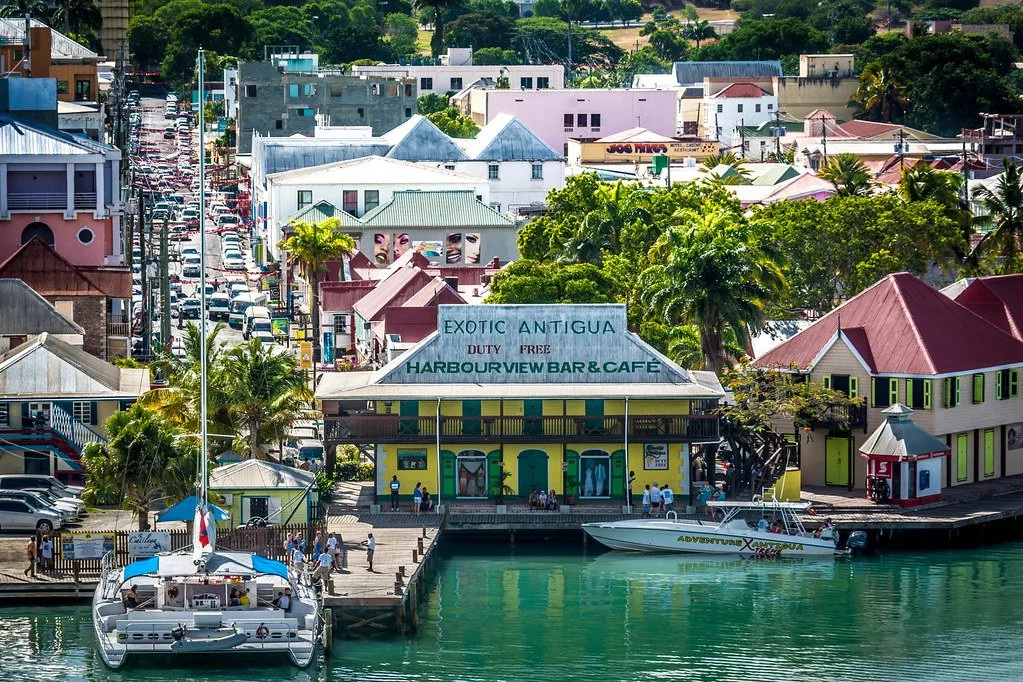
St. John’s, Antigua and Barbuda. Ron Kroetz. CC BY-ND 2.0.
Antigua and Barbuda is a small island nation in the Caribbean. The combined landmass of the islands is 170 square miles, half the size of New York City, with a population of around 100,000 people. Antigua and Barbuda exports products such as bedding and handicrafts, but this distribution is not their hub of economic activity. Rather, 68% of the nation’s GDP comes from the tourism industry. Each year, there are over 300,000 visitors and over 800,000 travelers who stop over the island during cruises. The islands of Antigua and Barbuda are known for their natural beauty, as well as their vibrant cultural scene, complete with historical forts, museums and naval bases that reflect the resilience of the people through a history of slavery and war. The Antiguan tourism industry continues to grow with record-breaking traveler numbers in 2024.
However, despite the growth and reliance on the tourism industry, Antigua and Barbuda continue to face domestic challenges. According to the Borgen Project, only 46% of Antiguans complete secondary education, and almost 20% live under the poverty line. This mass poverty is caused by a variety of factors, including inadequate access to resources like capital and credit, and government overinvestment in the tourism sector, which leaves sectors that benefit the local people, such as healthcare and education, underfunded.
Climate change is another challenge to the tourism industry in Antigua and Barbuda. Experts argue that more frequent and intense tropical cyclones, rising sea levels, and increasing temperatures have been occurring in Antigua and Barbuda. Hurricane Irma in 2017, for instance, caused large-scale damage to the nation. Therefore, the tourism board of Antigua and Barbuda has actively been promoting ecotourism. In 2021, Antigua and Barbuda was named the Emerging Sustainable Destination of the Year by Lonely Planet. One of the green initiatives to protect the natural beauty of the island includes the Green Corridor. Located on the southwest coast of the island, this area includes environmentally aware hotels, restaurants and activities surrounded by green rainforest and beaches. The Green Corridor is also known for being an important protective area for the environment. Cades Bay Agriculture Station allows for pineapples to grow, the Frigate Bird Sanctuary protects bird species by making their habitat only accessible by boat and Darkwood Beach actively protects the turtles near the island.
Another important initiative is the Green Fins approach. Antigua and Barbuda is the only country in the Western Hemisphere to institute this UNEP-certified initiative, which was launched due to the large number of water-based activities around the globe. Green Fins has a set of environmental standards for snorkeling and diving businesses to minimize damage to marine life. Travelers also must be aware that Antigua and Barbuda have a complete ban on plastic bags and Styrofoam products.
Through the promotion of ecotourism, travelers can sustainably enjoy many natural scenes.
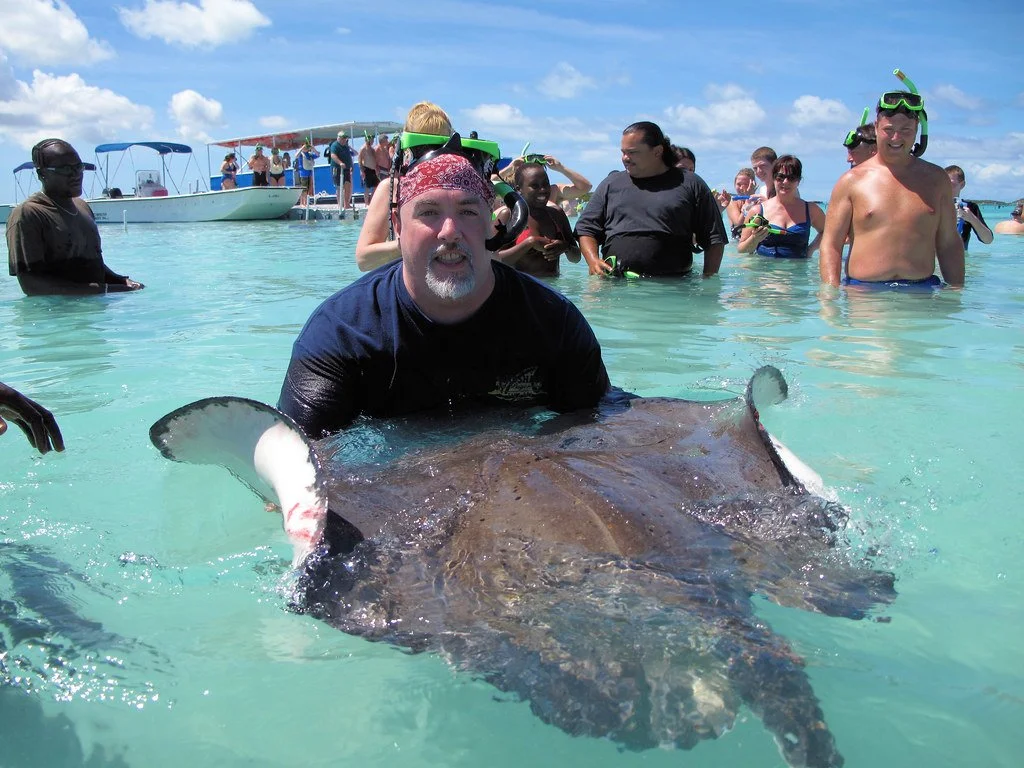
Traveler at Stingray City. Serrattaritaville. CC BY-NC 2.0.
Many travelers visit Stingray City each year, where they can enjoy swimming and snorkeling with the stingrays near the islands. Green Fins ensures tour groups follow snorkeling standards that do not disrupt the habitat of the stingrays.
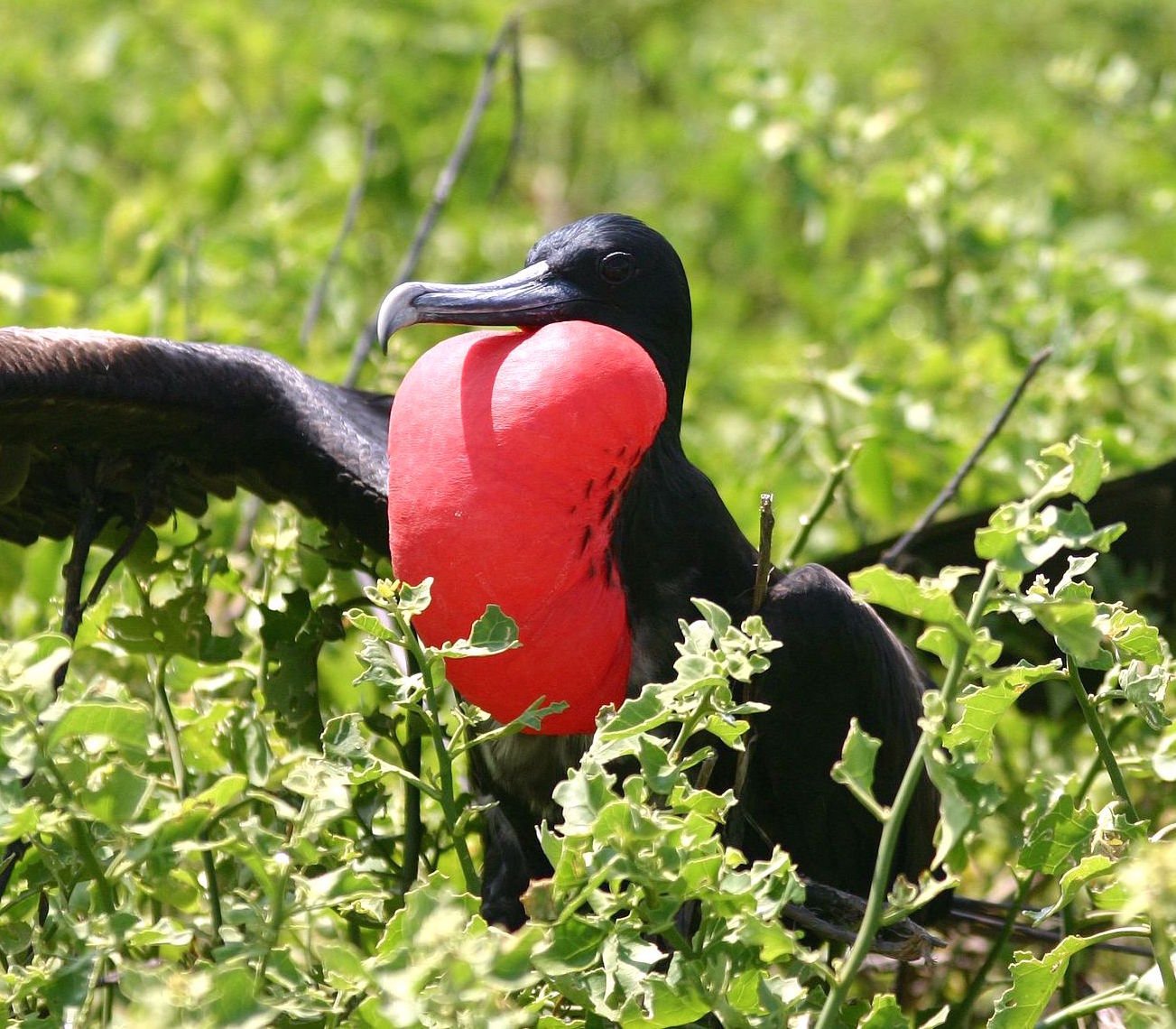
Frigate Bird Sanctuary. Charles Sharp. CC BY-SA 3.0
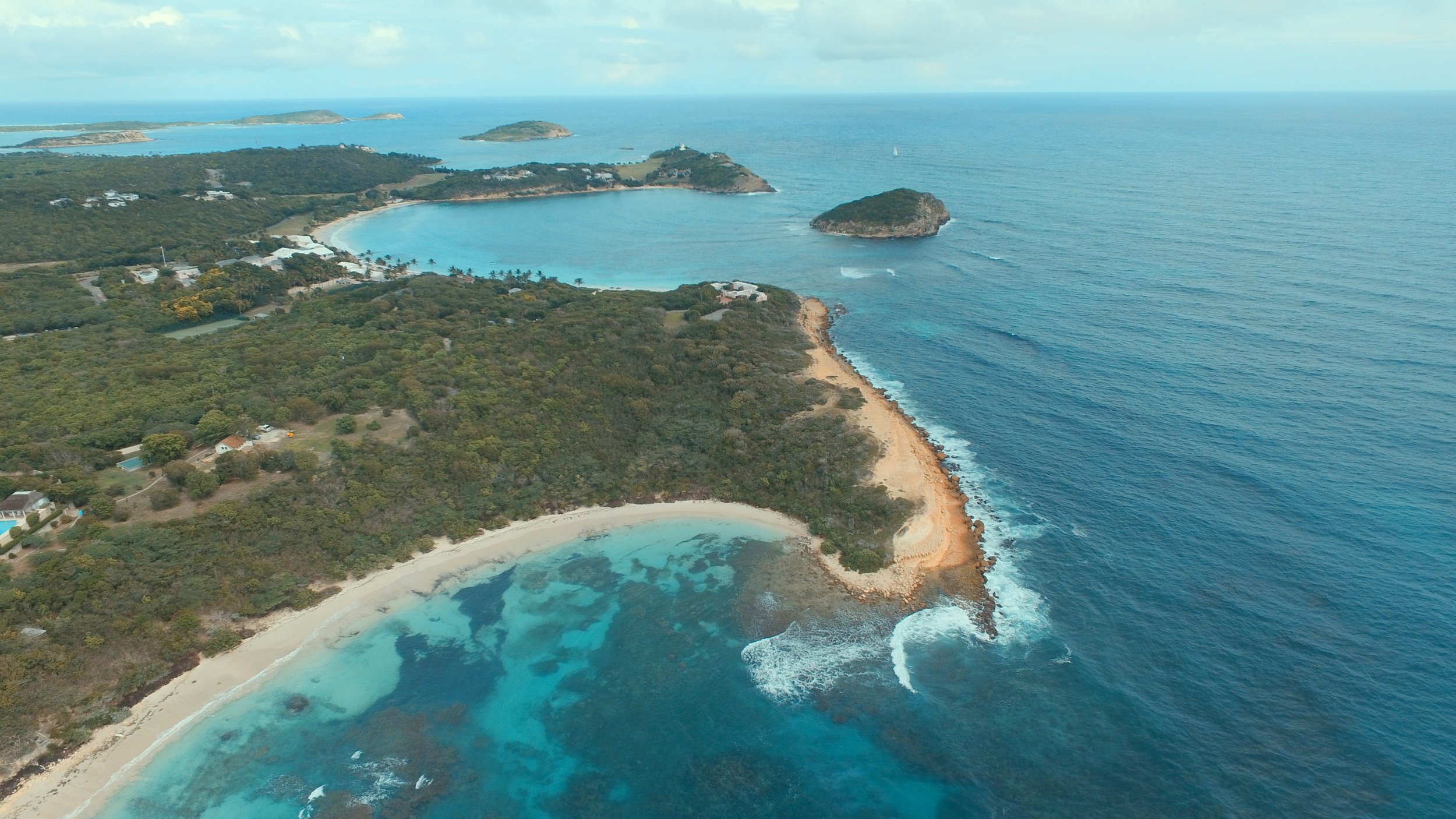
Half Moon Bay. Andrey Bobrovsky. CC BY 3.0.
Halfmoon Bay is known for its unique crescent shape. Many travelers enjoy kite surfing, picnicking and swimming, perfectly suited for the consistently nice weather. Water sports are enjoyed here, as they do not disrupt the natural habitat of fish and birds.
Ultimately, the resilience and efforts of the Antiguan people to create a sustainable tourism industry enable travelers to engage with the nation's natural scenery in an eco-friendly way.

Alex Jung
Alex is from New Zealand and South Korea, and is currently a student at the University of Chicago. He is majoring in Political Science and International Relations, and minoring in Middle Eastern Studies. He is passionate about social justice for minorities and indigenous communities. In his free time, he enjoys learning languages (Korean, English, Mandarin, and Persian) and writing novels and short stories.