
Caleigh Capio
With a new year comes a new reading challenge.
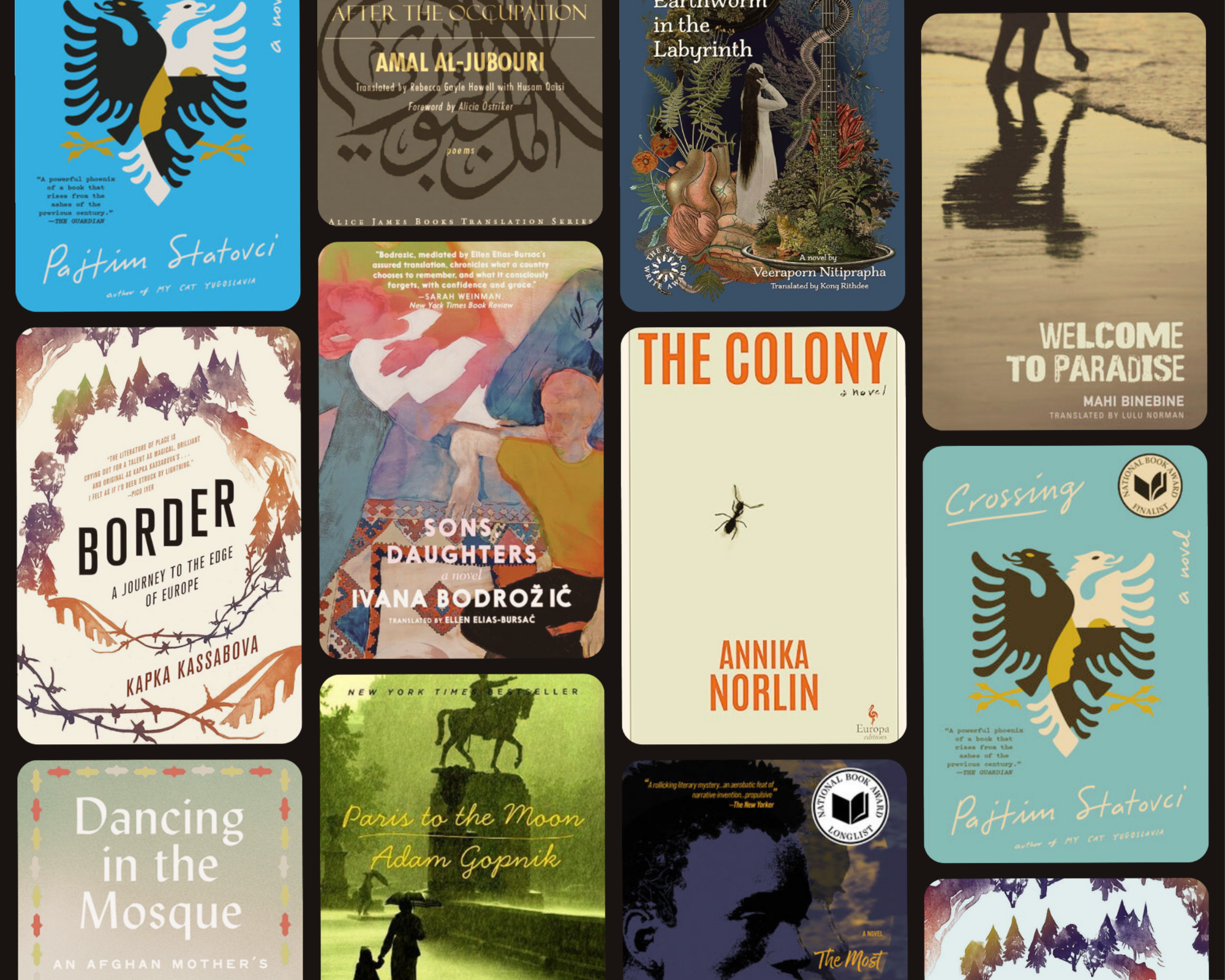
Founded by software developer Nadia Odunayo, the StoryGraph is an app and website that helps users keep track of personal reading habits and discover new books. Described as an Amazon-free alternative to the popular book review app Goodreads, the StoryGraph and its array of colorful charts have attracted millions of new users since its launch in 2019.
Goodreads’ annual reading challenge is a classic bookish staple that the StoryGraph has adapted into its own feature. In addition to letting users set personal reading goals in the new year, the Storygraph also hosts reading challenges designed to inspire readers to expand their tastes.
In the StoryGraph Reads the World challenge, users are prompted to read books from 10 selected countries outside of the U.S. and the U.K. The goal is to read books set in each given country or by an author from each country.
Below is a list of this year’s selected countries, along with a few of Catalyst Planet’s suggestions for StoryGraph Reads the World 2026!
1. Afghanistan
“Dancing in the Mosque: An Afghan Mother’s Letter to Her Son”
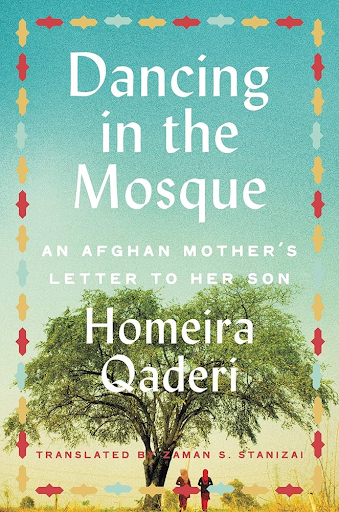
by Homeira Qaderi
Afghan writer and women’s rights activist Homeira Qaderi delivers a powerful memoir on what it was like to grow up in Afghanistan during the rise of the Taliban and the trials she faced as a young woman. From early acts of rebellion, such as teaching secret literacy classes for girls in Kabul, to her university days in Iran, Qaderi’s writing illustrates her courageous pursuit of freedom for herself and all Afghan women.
For more insight into Qaderi’s life and her relationship with her son, “The Secret Gate” by Mitchell Zuckoff covers the incredible true story of how Qaderi escaped Afghanistan with the help of a U.S. diplomat.
2. Albania
“Crossing”
by Pajtim Statovci
What does it mean to not know yourself? “Crossing” by Pajtim Statovci follows Bujar and Agim’s flight from post-communist Albania as they discover themselves outside their home country. Now living as immigrants, the novel teleports them across Europe and beyond. At the heart of the novel is Bujar’s ceaseless search for belonging and identity. Reinventing himself in every city, Bujar’s lies become indistinguishable from his truths. Exploring home, immigration, gender and sexuality, Statovci’s novel dissects the meaning of identity to its barest parts.
3. Bulgaria
“Border: A Journey to the Edge of Europe”
by Kapka Kassabova
After returning to Bulgaria for the first time in 25 years, Kapka Kassabova writes a deeply intimate travelogue on her two-year trek through the mountainous border between Bulgaria, Turkey and Greece. Kassabova takes readers on a journey through the region, examining the land’s entanglement with the author’s personal history, political history and world history. Recounting legends, myths and historical facts alike, Kassabova captures the remarkable essence of the Balkan borderlands.
4. Croatia
“Sons, Daughters”
by Ivana Bodrozic
Ivana Bodrozic’s “Sons, Daughters” is a novel told through three intertwining perspectives: a mother burdened by her past, her newly paralyzed daughter and the daughter’s transgender lover. Each character, feeling trapped in their lives, seeks freedom in different ways. Bodrozic writes about their personal struggles for autonomy and the lasting scars of intergenerational trauma.
5. France
“Paris to the Moon”
by Adam Gopnik
Featured in our travel classics list, Adam Gopnik’s “Paris to the Moon” is a collection of essays that documents five years of his family’s life living as expats in France. Full of intimate observations on Parisian life as an American, the heart of Gopnik’s memoir is his reflections on raising his infant son abroad. Immersive literary scenes of Paris sprout from Gopnik’s essays, exploring culture shock, family and the charm that can be found in everyday life, no matter where you are.
6. Iraq
“Hagar Before the Occupation, Hagar After the Occupation”
by Amal al-Jubouri
Amal al-Jubouri’s collection of poems uses the Quran’s story of Hagar to contrast life in Iraq both before and after American occupation. The poems are written in pairs, cycling through different aspects of life that were forever altered by war. Al-Jubouri uses her poetry as a protest, giving voice to her call for freedom, a desire that has existed even before the occupation.
7. Morocco
“Welcome to Paradise”
by Mahi Binebine
On the shores of the Strait of Gibraltar, seven African refugees gather, hoping to cross from Morocco into Spain. As they wait, their personal struggles and circumstances for leaving Africa are revealed. Binebine’s novel delves into the motivations and lives of immigrants, creating portraits of human desperation and hope. “Welcome to Paradise” is a somber reflection on the lengths people will go to escape, if escape is even possible.
8. Senegal
“The Most Secret Memory of Men”
by Mohamed Mbougar Sarr
In 2021, Mohamed Mbougar Sarr was the first Sub-Saharan African author to win the Prix Goncourt for his novel “The Most Secret Memory of Men.” 80 years after the mysterious disappearance of a Senegalese author known as T.C. Elimane, a young writer works to uncover the truth behind why he vanished. Journeying from Senegal to Argentina to France, “The Most Secret Memory of Men” examines the scars of French colonialism and criticizes the French literary scene in both the past and the present.
9. Sweden
“The Colony”
by Annika Norlin
Currently one of Sweden's bestselling contemporary novels, Annika Norlin’s “The Colony” questions what it means to be a community. Suffering from burnout, Emile seeks an escape from city life by retreating to the forest, where she comes across a cult-like group of misfits. Norlin delves into each character’s personal histories, philosophies and psychology, creating a detailed study of the colony members and their complicated dynamics.
10. Thailand
“The Blind Earthworm in the Labyrinth”
by Veeraporn Nitiprapha
Winner of the Southeast Asian Writers Award for fiction, “The Blind Earthworm in the Labyrinth” by Veeraporn Nitiprapha uses tropes from Thai soap operas to create a lyrical tale of two sisters. Chareeya and Chalika’s dreamlike story is filled with romance, melancholy and melodrama. Throughout the novel, Nitiprapha blends magical realism into Thai history, forming a powerful allegory for Thailand’s political landscape out of an already compelling text.

Caleigh Capio
Caleigh is a recent graduate from Wellesley College with a B.A. in English and a minor in Italian Studies. She has always had a passion for storytelling, language and culture studies, and all things literary, and will continue to pursue these interests. In her free time, she enjoys reading, writing book reviews, spending time with friends, and discovering new music.