
Alex Jung
Latvia ranks fourth in countries with the highest alcohol consumption, raising concerns regarding alcohol abuse and challenges to rehabilitation.
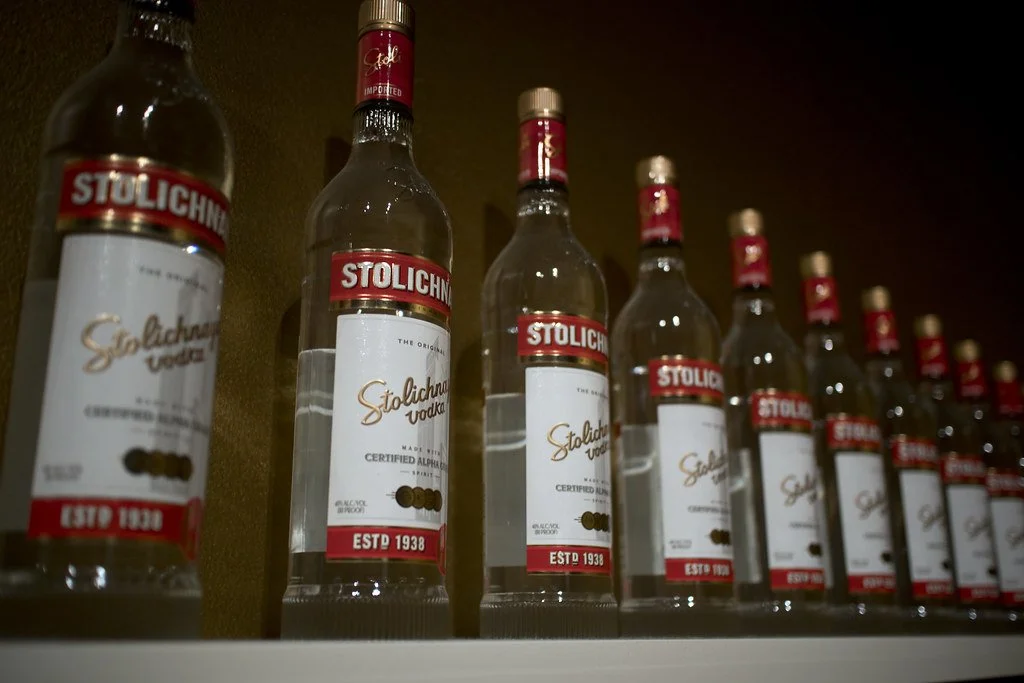
Latvian vodka. C Watts. CC BY 2.0.
Latvia is a Baltic nation with a long history, including interactions with Vikings and crusaders. The nation is a member of the European Union (EU) and classified as a high-income country by the World Bank. Despite this fact, Latvia ranks amongst the lowest in EU public health measures, including avoidable mortality, life expectancy and healthy life years. The European Commission defines an “avoidable mortality” as a cause of death that can be avoided through prevention or treatment. In the context of Latvia, alcohol related factors have accounted for 6% of deaths, with its annual alcohol per capita consumption (APC) being 12.6 litres. The World Health Organisation states the global average APC is 5.5 litres. It is important to consider the causes and consequences of alcohol abuse and binge drinking.
A large cause for the high rates of alcohol consumption in Latvia was the increased importation of stronger alcohol during the Soviet Union. This meant the alcohol by volume (ABV) was higher for many of the drinks, such as vodka, and they were consumed more frequently than beers and wine with a lower ABV. Russia, a state where vodka is extremely popular, has greatly influenced Latvia’s drinking scene due to the many similarities in culture, climate and history. The “Vodka Belt” is a group of nations from Scandinavia and Eastern Europe that have traditionally consumed hard liquors, like vodka, over beers and wine. While many countries in the West, such as the U.S., most popularly drink beer in social gatherings, it is very common for social gatherings in Latvia to have vodka as the main drink. Furthermore, while there is a clear categorisation of vodka as a hard liquor in Latvia, advertisement campaigns for vodka target many groups, including youth. The most popular brand, Stoli, has often used vibrant reds and pinks in its advertising campaigns to soften the image of vodka as a hard liquor. Stoli has also produced advertisements promoting LGBTQIA+ and gender equality, ultimately challenging the masculine connotations of vodka, which have often been the representation of vodka in Russia. This inclusivity and normalisation of hard liquor in Latvian society has been one of the reasons for the rise in vodka consumption as opposed to beer. Though high alcohol consumption rates are not a new phenomenon in Latvia, modern advertising campaigns have certainly reinforced the drinking culture and popularity within the nation.
Latvia’s revenue from alcoholic beverages has been large, with a projection of $8.42 million to be made in 2025 alone. However, despite a positive impact on the economy, high rates of alcohol consumption and addiction have led to social and health consequences. Binge drinking has become a widespread issue within the nation. Binge drinking has been defined by the Centers for Disease Control as four or more drinks for women and five or more drinks for men. 72.7% of Latvia’s youth between 15 to 19 years have engaged in binge alcohol consumption before. Binge drinking has often been associated with several health impacts, such as liver disease and heart problems. Youth, who are often more inexperienced with alcohol consumption, are vulnerable to early addiction and the harms of alcohol. In 2020, four people were killed in Eastern Latvia due to binge drinking, highlighting the fatal and literal consequences of harmful alcohol consumption.
Furthermore, alcohol consumption leads to greater numbers and frequency of road traffic injuries. In Latvia, 17.5 per 100,000 males have been involved in road traffic injuries as a result of alcohol-attributable factors. An interesting phenomenon has been observed in Latvia’s road traffic accident trends; while the overall number of road traffic accidents has decreased annually, the number of those caused by drivers who were under the influence of alcohol has continued to rise each year.
Significantly, Latvia’s percentage of lifetime abstainers, people who have never consumed alcohol in their adult life, is a mere 4.6% for males and 14.8% for females, compared to the U.S., where 36% of the population is abstainers, showing how alcohol consumption can be considered a social and cultural norm. Fascinatingly, both Latvia and the U.S. have comprehensive alcohol awareness education campaigns for public schools, yet they have vastly differing rates of abstainers. This may comment more greatly on the cultural differences and value that alcohol has in various countries rather than the strength of alcohol awareness programs.
Latvia’s government has made many policies and interventions to address the issue of binge drinking and alcohol abuse. Currently, an important legislation is changing the time of hours for alcohol to be legally sold; this is largely due to the higher likelihood of accidents or abuse occurring at night. Now, alcohol can only be sold from 10 a.m. to 8 p.m. on weekdays and Saturdays and from 10 a.m. to 6 p.m. on Sundays. The legal blood alcohol concentration for driving is 0.05%, which is lower than that of many nations, such as the U.S., where it is 0.08% for most states.
GET INVOLVED
Helplines can be vital for supporting victims of alcohol abuse and binge drinking. Residents in Latvia can reach out to Skalbes, a 24/7 crisis and counselling center and hotline, by dialling 116123. The World Health Organisation and the State Agency of Medicines Republic of Latvia have several resources regarding alcohol abuse and the various support and rehabilitation available for victims.

Alex Jung
Alex is from New Zealand and South Korea, and is currently a student at the University of Chicago. He is majoring in Political Science and International Relations, and minoring in Middle Eastern Studies. He is passionate about social justice for minorities and indigenous communities. In his free time, he enjoys learning languages (Korean, English, Mandarin, and Persian) and writing novels and short stories.