
Evelyn García Medina
An Indigenous tribe in the island of Palawan, Philippines, continues to live between caves and the jungle, relying directly on nature’s resources to survive.

Indigenous Filipina woman from the island of Palawan, Philippines. Wayne S. Grazio. CC BY-NC-ND 2.0.
In the Philippine island of Palawan lies the jungle and the caves of Mount Mantalingajan. In them lives a tribe outside of civilization: the Tau’t Batu. They’re a subgroup of the main Indigenous Palawan tribe, but they mostly live on their own in the wilderness of the Singnapan Valley of Southern Palawan. They were first documented in May of 1978 when Philippine President Ferdinand E. Marcos flew over the jungle in a helicopter and confirmed the legendary tribe’s existence.
There was uncertainty whether the tribe ever came in contact with the outside world, but regardless, President Marcos and his team dropped clothing, rice and other items into the jungle. The Philippine President also observed Tau't Batu’s living conditions. He and his team noticed clustered caves along the jungle walls, as well as root crops, like sweet potato, casaya and tobacco, growing beside a river valley.. Based on this evidence, the President concluded that the tribe utilized agricultural methods, as opposed to other tactics, for survival.
When first located, the tribe was not likely to have socialized much with outsiders, but that isn't exactly the case anymore. Sometimes, tribe members attempt to enter civilization and blend in, but Philippine citizens tend to notice that they’re different. Oftentimes, they’re stigmatized and seen as unskilled despite their resilience in the jungle. They’re skilled in the art of navigating the outdoors, especially when hunting for food. To hunt bats, they use handmade traps using long poles with thorns coming out, and they use blowguns to hunt birds and smaller prey. Everything they do in the outdoors uses only what is accessible to them in the wilderness, making them skilled in a different area of life than general society.

Jungle in Palawan, Philippines. Vyacheslav Argenberg. CC BY 4.0.
In his documentary, “The Last Cavemen,” film director Jean-Michel Corillion gives a clearer picture of the dangers the Tau’t Batu must endure. Corillion interviewed Palawan Heritage Center’s Chief Administrative Officer, Mary Rose Palanca-Caabay, who explained that the tribe faces heavy rainfall, floods, typhoons, dangerous animals and malaria. The dangers appear at different times of the year, so the Tau’t Batu move from the cave to the jungle as seasons shift. To combat malaria and its carrier, mosquitoes, the tribe burns plants inside the cave to repel them. There’s no healthcare system in the jungle, so they must resort to the limited resources they have.
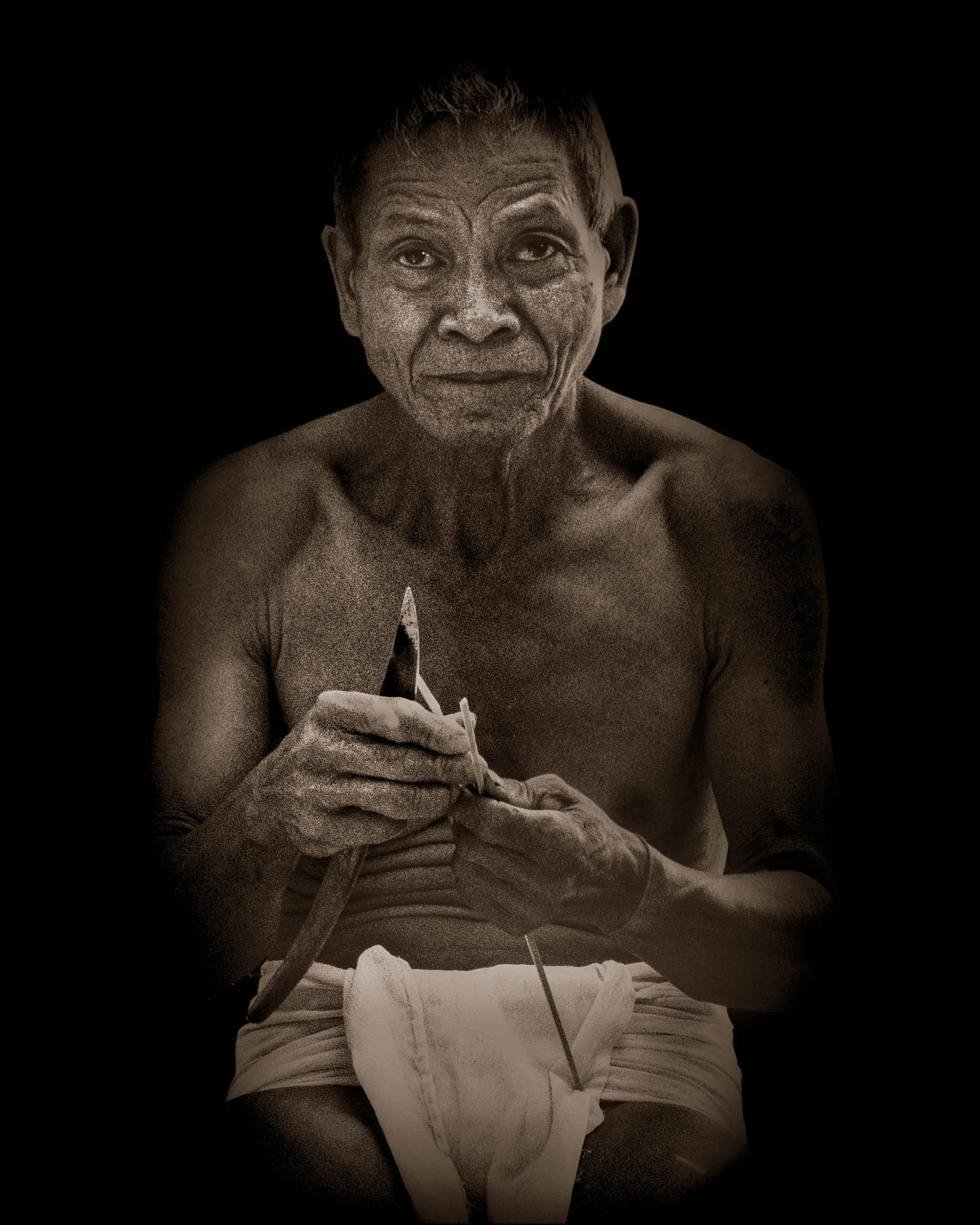
An Indigenous tribe in the island of Palawan, Philippines, continues to live between caves and the jungle, relying directly on nature’s resources to survive.
The Tau’t Batu remain one of the few tribes in the Philippines still living largely apart from modern society, adapting their traditions to the shifting conditions of Palawan’s jungle. They have relied solely on nature for decades, and while some of the tribe’s families now seek a future in the city, most members still thrive in their outdoor home. Their way of life reflects the skill and resourcefulness needed to endure Palawan’s wilderness and the various skills many might label as useless in contemporary society.
Evelyn García Medina
Evelyn is a recent Chicana graduate with a B.A. in English and Comparative Literature. Born and raised in the Bay Area, she draws inspiration from her passions: her cultural roots, environmentalism, and human rights. In her free time, she goes on hikes and enjoys learning about current social issues, history, and animals.