BALI TRAVEL GUIDE
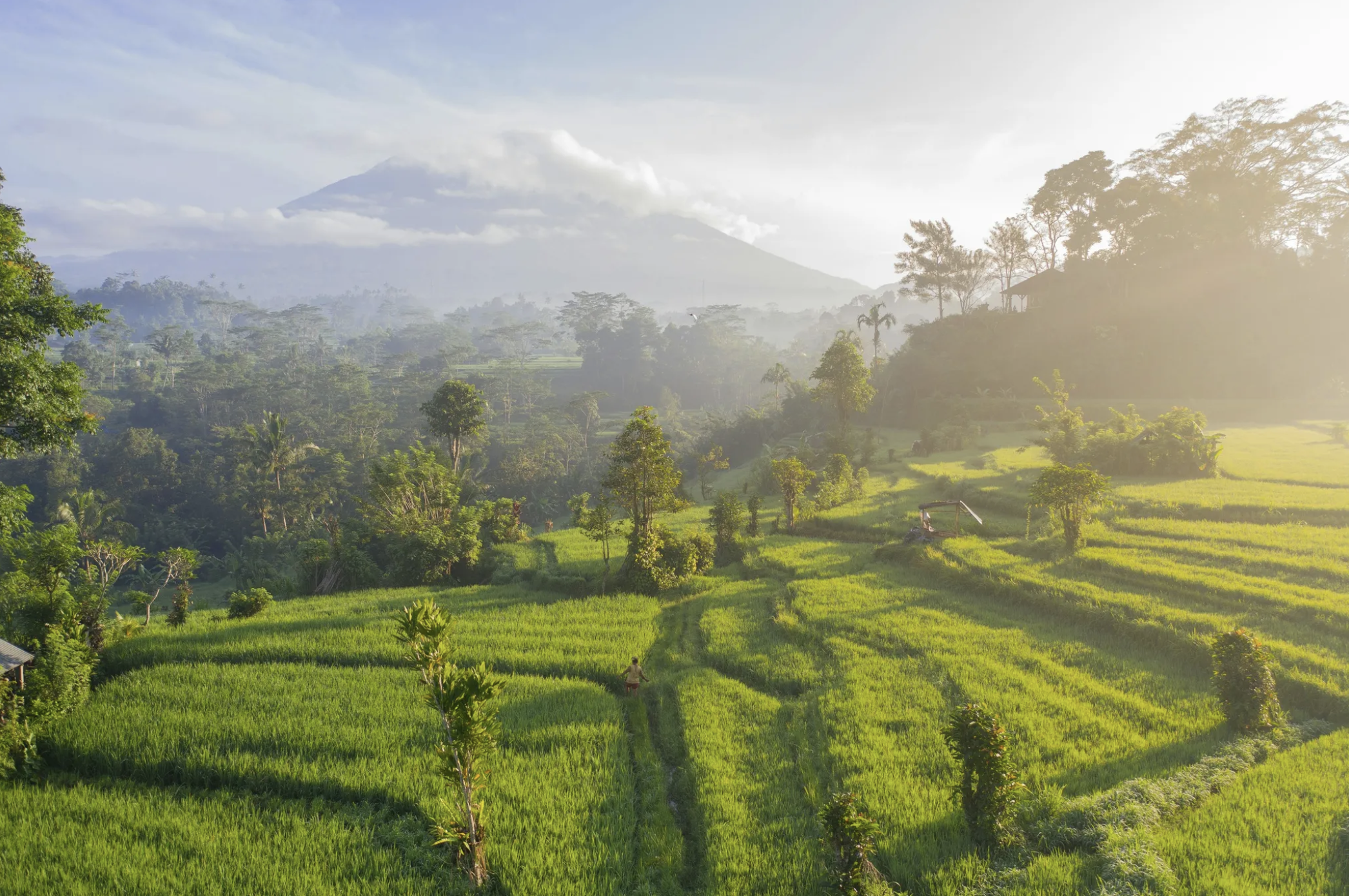
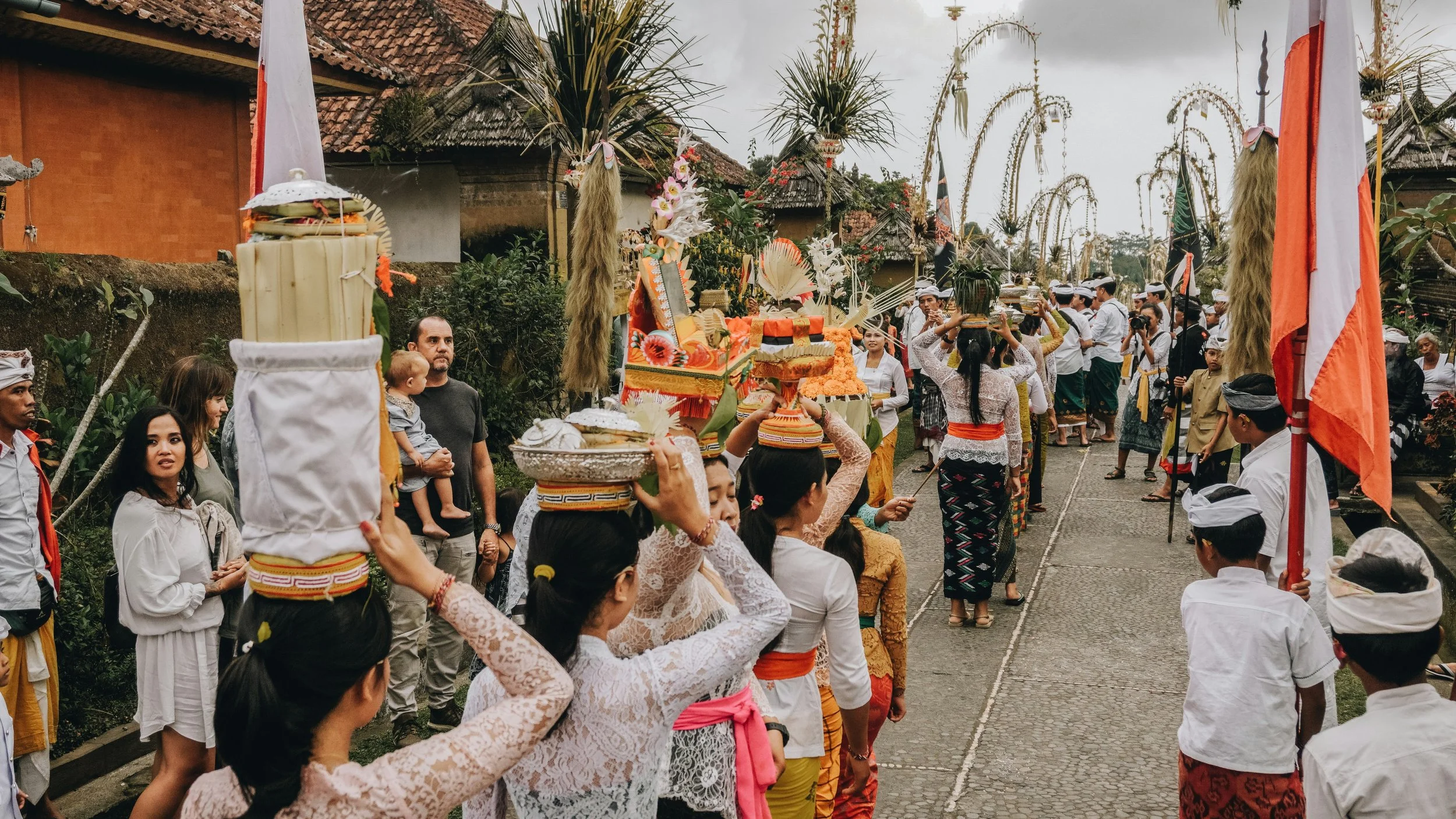
Bali, often called the "Island of the Gods," is a lush tropical paradise unlike anywhere else in Indonesia. While the country is predominantly Muslim, Bali stands apart with its deeply rooted Hindu traditions, vibrant ceremonies and intricate temple architecture woven into daily life. Its world-class surf breaks first lured adventurers in the 20th century, but today, travelers come for much more. Its terraced rice fields, volcanic landscapes and cultural scene blend ancient rituals with modern creativity. Tourism now fuels about 80% of Bali’s economy, with millions visiting each year, yet the island remains rich with opportunities for deeper exploration beyond its bustling resorts. Whether you're drawn to the mystical energy of Uluwatu’s cliffside temples, the artisan villages of Ubud or the remote waterfalls of Munduk, Bali offers endless ways to experience its magic beyond the beaten path.
Currency: Indonesian Rupiah or IDR
Language: Balinese (Basa Bali) and Bahasa Indonesia
Average Temperature: 15.2 C | 59.3 F
On Season: April-September
Off Season: October-March
Average Cost Per Day; Budget-Luxury: US$32-$125+
Government: Indonesia is a presidential republic supported by an elected legislature. The president is elected by a direct vote every five years, while the prime minister is appointed for emergency scenarios. Head of both the state and government, the president appoints his own cabinet, which makes up the executive branch.
Entry Requirements: You must have a passport valid for six months beyond your arrival date, a minimum of two blank visa pages for an entry stamp, a ticket as proof of onward travel, a completed customs declaration form and an approved visa (can be completed on arrival).
LAY OF THE LAND
Bali may seem small, but every part of the island offers a distinct experience. Whether you're chasing waves, exploring temples or seeking a jungle retreat, understanding the differences between regions will help you plan a more fulfilling trip. Here’s an insider’s guide to Bali’s key destinations.
South Bali
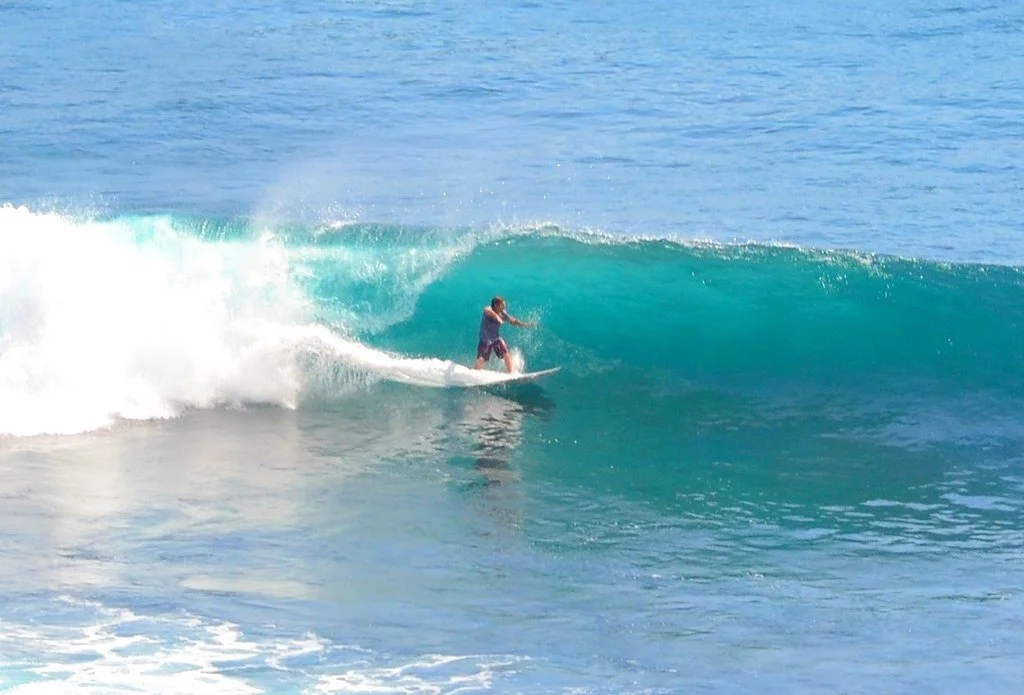
Southern Bali is where most visitors land — it’s packed with world-famous beaches, lively nightlife and high-end resorts. Canggu is a hip, fast-growing area filled with beachfront cafes, boutique shops and top-tier surf spots like Batu Bolong and Echo Beach. Seminyak blends luxury with vibrant nightlife, offering high-end dining and stylish beach clubs like Ku De Ta and Potato Head. Kuta and Legian cater to party-seekers and beginner surfers, while Uluwatu is a dream for experienced surfers, with legendary breaks at Padang Padang, Bingin and Uluwatu Beach. For a more relaxed vibe, Sanur provides calm waters and cultural shows with opportunities for water sports like stand-up paddleboarding and parasailing.
Central Bali
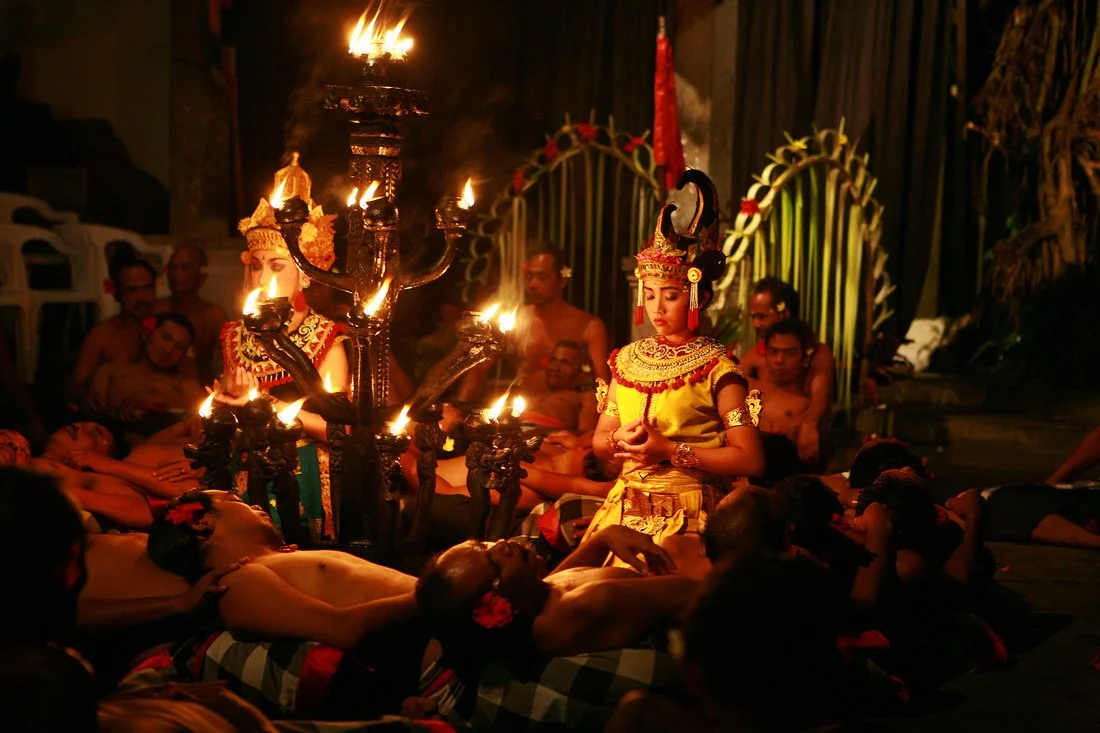
Central Bali is where you’ll find the island’s famous terraced rice fields, dense jungles and spiritual retreats. Ubud, the cultural heart of Bali, is home to the Sacred Monkey Forest, traditional dance performances at the Ubud Palace and the breathtaking Tegalalang Rice Terraces. This region is a haven for yoga and wellness seekers, with countless retreats and holistic healing centers. Nearby, Tirta Empul Temple offers the chance to participate in a traditional water purification ritual, while the scenic Campuhan Ridge Walk is perfect for a sunrise stroll. Stop in the beautiful town of Munduk and explore the countless beautiful waterfalls and temples.
East Bali
Eastern Bali remains one of the island’s most underrated regions, offering pristine landscapes, a slower pace, and, most importantly, fewer crowds. The Sidemen Valley is a stunning alternative to Ubud, with traditional weaving villages, peaceful rice terraces and hidden waterfalls. For adventure lovers, Amed and Tulamben are top diving spots, featuring vibrant coral reefs and the famous USS Liberty shipwreck. Surf enthusiasts can head to Keramas Beach, known for its powerful right-hand waves and surf competitions. Eastern Bali is also home to one of the island’s most iconic landmarks — Pura Lempuyang — known for its "Gates of Heaven" framing Mount Agung in the distance.
North Bali
North Bali is a peaceful escape from the island’s busier south, offering lush mountains, waterfalls and quiet beaches. Lovina is famous for its sunrise dolphin-watching tours and calm black-sand beaches, while nearby Banjar Hot Springs provides a relaxing natural soak. The north is also home to some of Bali’s most stunning waterfalls: Sekumpul, often called the island’s most beautiful, and Gitgit, a multi-tiered cascade surrounded by jungle. For snorkeling and diving, Pemuteran offers thriving coral reefs, while nearby Menjangan Island — part of West Bali National Park — boasts some of Indonesia’s best underwater biodiversity.
West Bali
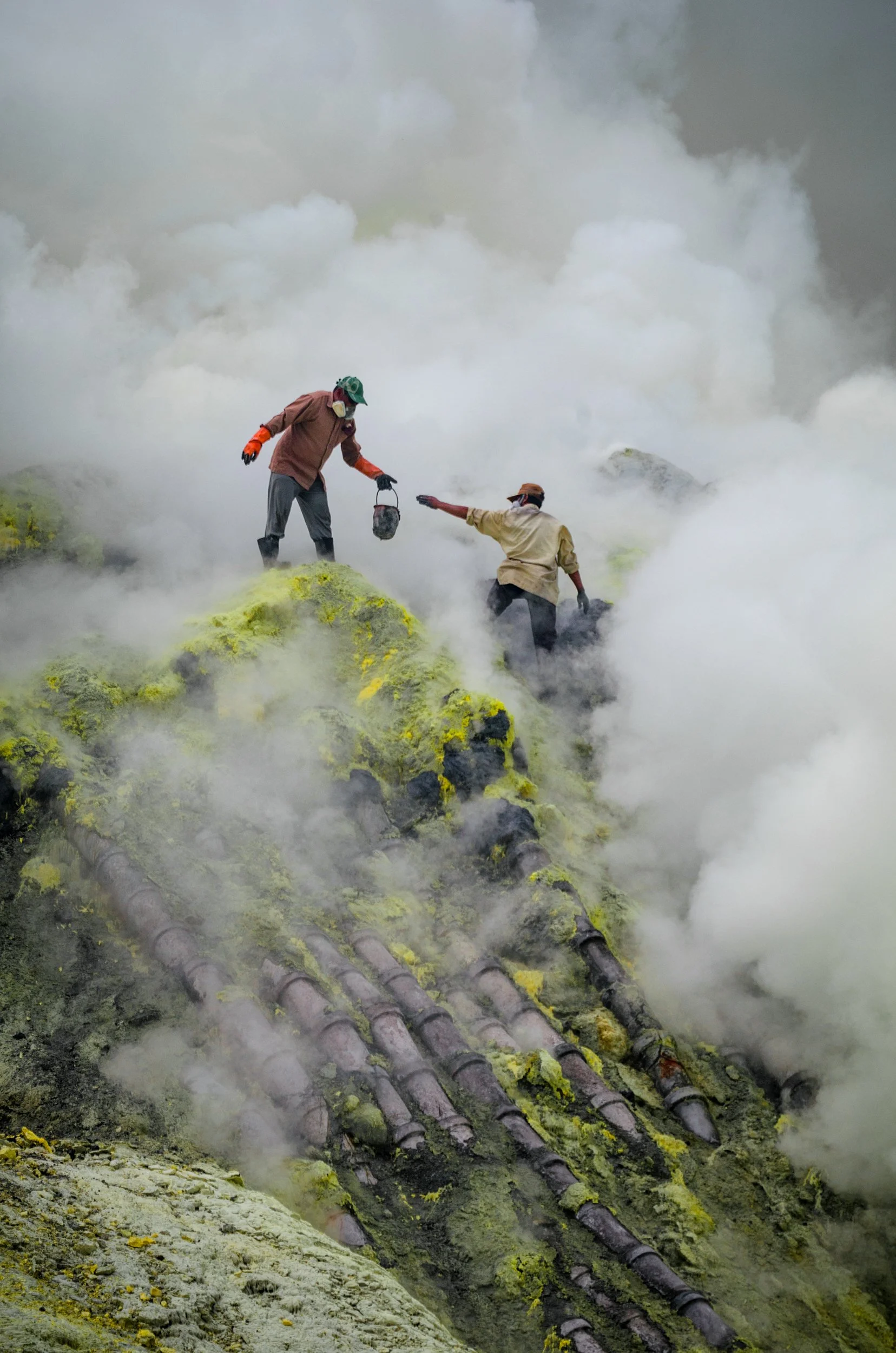
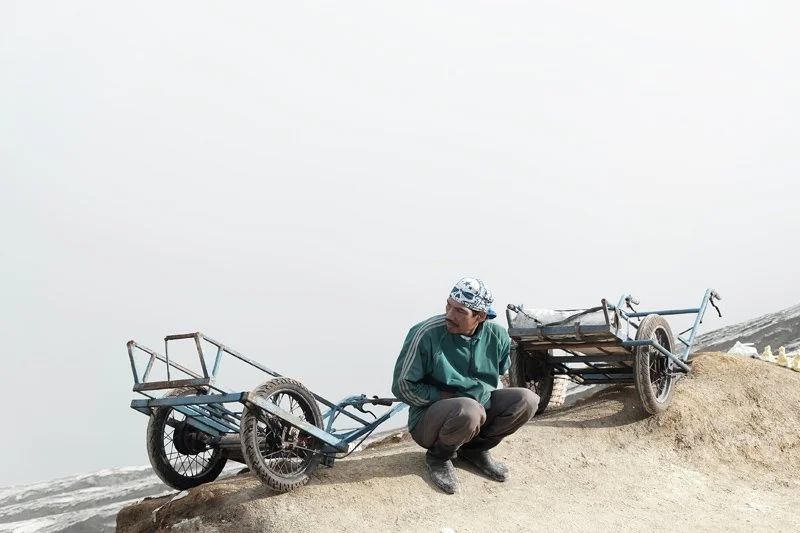
West Bali is the least explored part of the island, offering unspoiled nature and a glimpse into traditional Balinese life. West Bali National Park is home to rare wildlife like the endangered Bali starling and features diverse ecosystems, from mangroves to coral reefs. Medewi is a quiet coastal village known for its long, peeling waves — perfect for longboard surfers looking to escape the crowds. The ferry port at Gilimanuk connects Bali to Java, making it a strategic stop for those heading to Ijen Crater, famous for its electric-blue flames.
OUTLYING ISLANDS:
Nusa Penida
Nusa Penida is about a 30-minute ferry ride from Bali but has wild natural landscapes that many associate with the iconic sites of Bali. Discover the iconic lookout from Kelingking Beach, explore the rugged cliffs of Diamond Beach or dive underwater with some of the world’s most amazing marine life. Snorkeling and scuba diving in Nusa Penida offer unparalleled experiences with creatures like manta rays, dolphins and reef fish.
Nusa Lembongan
As one of the smaller Nusa islands and just a 20-minute ferry ride from Sanur in Bali, Nusa Lembongan is a quiet paradise. Consider renting a moped or bike to explore this small island — you can even cross a yellow bridge to the neighboring, smaller Ceningan island. Lounge on the relaxed secret beaches and Mushroom Bay beach, surf on the island’s less crowded breaks or enjoy a sunset on the cliffside. Many people stay overnight on Nusa Lembongan with its convenient access to accommodation, beaches and amenities, and visit Nusa Penida just for a day trip!
Lombok
Only a three-hour ferry from Bali, or a quick 45-minute flight, discover the nearby island of Lombok. This island has it all, from volcano treks to world-class surf breaks. Lombok often attracts travelers looking for a more authentic experience in this less-visited region. The landscape is significantly less developed than Bali, with more open areas and roadsides covered by rice paddies and grazing cows. Lombok and its small Gili islands also differ greatly from Bali in their dominant Muslim religion, which heavily influences the culture. On the ferry journey to Lombok, you will cross the Wallace Line, a deep water shelf and geographic boundary that separates Southeast Asia from Australia and Oceania. This boundary creates two distinct sets of fauna in these regions, with even birds refusing to cross this line. The ferry journey to Lombok can sometimes be a rough ride, though it depends on the day, weather and swell. If you are prone to seasickness, pack some medication with you or plan your trip on a day with better weather! Some people recommend certain ferry companies over others, but do your own research and decide what might work best for you or if a flight might be better suited for your plans.
Gili Islands
The three Gili Islands, Air, Meno and Trawangan, have long lured travelers from Bali. They are only a one-and-a-half to two-hour ferry ride from Bali or just 20 minutes from Lombok! These small islands offer a heavy contrast to the bustling streets of Canggu, as cars are completely banned. Instead, explore the Gilis on foot, by bicycle or horse-drawn carriage. The snorkeling is amazing, the beaches are relaxing and thevibes are good. With the islands’ small size, you can walk around the whole circumference in a day, enjoying sunrise on the east to sunset on the west.

-
Bali is a year-round destination, but the best time to visit depends on your priorities.
For sunny weather and outdoor adventures, the dry season (April-October) is ideal. However, July and August are peak tourist months, bringing higher prices and busier beaches. If you prefer warm, clear days but want to avoid crowds, consider shoulder months like May, June or September.
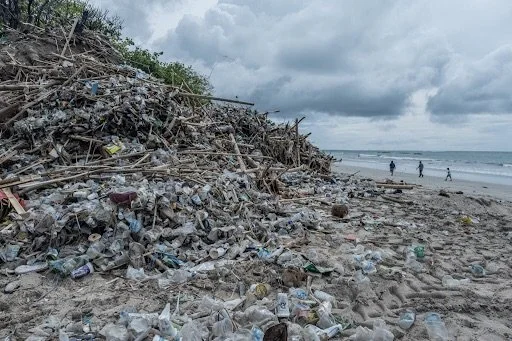
The rainy season (November-March) coincides with the low season, offering lower prices and fewer tourists, except for the Christmas and New Year period, when tourism spikes. While it might not rain all day every day, expect heavy bursts of rain and occasional flooding or ocean pollution from runoff, which can impact beach activities. That said, Bali still offers plenty to enjoy during the wet season! Explore Ubud’s galleries, shop in Canggu or embrace the rain by surfing or scuba diving — you’ll be wet anyway.
-
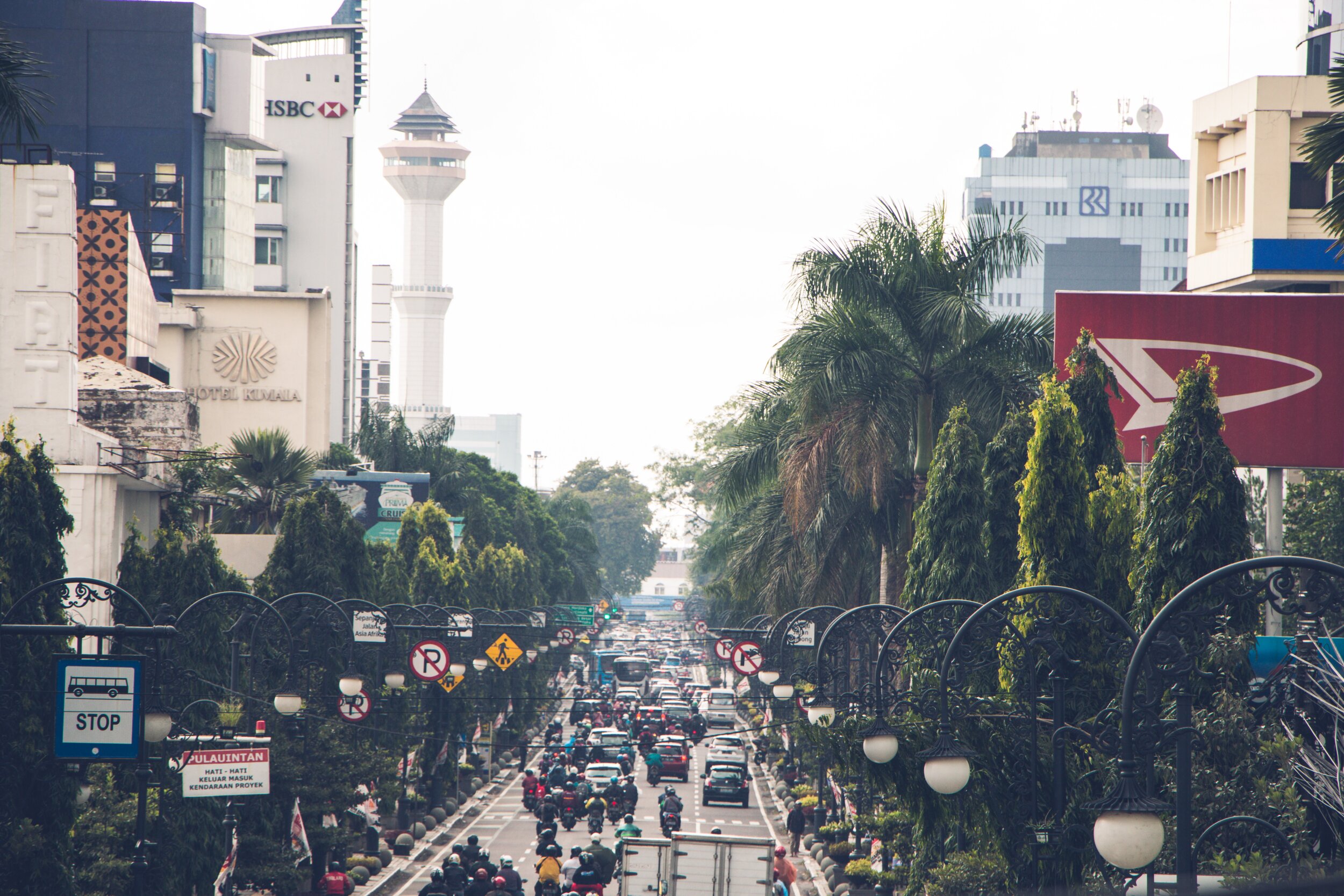
Getting around Bali is easy with ride-sharing apps, private drivers and scooter rentals, but traffic congestion and road conditions vary across the island.
Grab & Gojek: Bali’s most widely used ride-hailing apps, offering motorbike and car taxis, as well as food delivery.
Motorbike taxis are cheaper, with short rides costing around 16,000-32,000 rupiah (US$1-$2).
Car rides are three to four times more expensive but are a better choice for groups or those with luggage.
Traffic can be unpredictable, so factor in extra travel time when using a car.
Private Drivers: A convenient option for full-day or half-day trips, often arranged through hotels or local agencies.
Scooter & Moped Rentals: Popular for independent exploration but best suited for experienced riders due to dense traffic, narrow roads and unexpected obstacles. Rental costs vary, but expect to pay around 70,000-80,000 rupiah a day (US$4-$5).
Shared Vans & Shuttles: A cost-effective way to travel between towns, bookable via 12Go, accommodations or local travel agencies. These offer a more social alternative to private taxis.
🚫 There is no Uber in Bali.
-
Bali’s official languages are Balinese and Indonesian, though English is widely spoken in tourist areas.
Learn a few local phrases: It’s a simple way to show respect and will earn you warm smiles!
“Thank you” → Terima kasih (Indonesian) | Suksma (Balinese)
“How are you?” → Apa kabar? (Indonesian)
Respect cultural norms
When visiting temples, wear a sarong and cover your shoulders. Many sites offer sarong rentals at the entrance.
Women who are menstruating may not enter temples.
When away from the beach, avoid being shirtless or wearing only swimwear — a light cover-up is recommended.
Be kind and courteous: The Balinese are known for their warmth and hospitality. Showing respect and gratitude will enhance your experience.
-
While credit cards are accepted in larger cities and tourist areas, cash is sometimes preferred, especially in smaller towns and local establishments.
Some businesses add a surcharge for credit card payments.
ATMs are widely available, but it’s best to carry small amounts of cash for taxis, markets and small shops.
Tipping is not mandatory, but small cash tips are appreciated by drivers, hotel staff and restaurant servers.
It may be useful to download the Wise app for completing international transfers. This is especially practical for expats or long-term travelers, but it allows you to transfer money directly to people’s bank accounts from all over the world without any fees. Many vendors and guides accept this for payment.



-
Bali can be an incredible destination for solo travelers, offering an abundance of activities and experiences to enjoy by oneself. It's a safe island with a relatively low crime rate, and the locals are known for their warmth and hospitality. However, navigating Bali's diverse attractions and cultural landscape can be overwhelming at first, so it's advisable to plan your itinerary and research the areas you wish to explore in advance. Solo travelers should also remain mindful of their surroundings and take basic safety precautions, such as avoiding isolated areas and keeping belongings secure. While it's tempting to fill your days with activity after activity, allowing time for self-reflection and relaxation amidst Bali's natural beauty is integral to appreciating the environment. Solo travelers may also find group tours or meetups a beneficial way to connect with fellow travelers and share memorable experiences. There are numerous Facebook community groups for travelers in Bali. In these groups, travelers meet up to plan outings and get-togethers, as well as ask questions ranging from what transport services to use to what medical facilities may treat an emergency. Try out Solo Travelers to Bali or Digital Nomads Bali. There are many other Facebook groups for different regions, such as Sanur or Ubud, so explore Facebook community groups and see what you find.
-
Bali is widely regarded as one of the most inclusive destinations in Southeast Asia for LGBTQIA+ travelers. While same-sex marriage remains unrecognized by law, the island has a vibrant LGBTQIA+ community with welcoming spaces such as bars, clubs and events tailored to the community. Public displays of affection among LGBTQIA+ couples may be less common compared to some Western countries, but within safe spaces, travelers should generally feel accepted and respected. It's worth noting that, like many places, there may still exist stigma or discrimination towards LGBTQ+ individuals in certain areas or among certain demographics on the island. Therefore, it's advisable for LGBTQIA+ travelers to research specific locales and establishments beforehand and exercise discretion, particularly in more conservative areas of Bali.
-
Bali is generally regarded as a safe and welcoming destination for Black travelers, although they may encounter occasional instances of discrimination or microaggressions, as in any part of the world. It's essential to recognize that Bali operates within its unique cultural and societal context, which may differ from what travelers are accustomed to. While some Black visitors have reported experiencing stares or unwarranted attention, it's often borne out of curiosity rather than animosity. Additionally, given the island's homogeneity, there might be a lack of racial diversity in certain areas. Despite this, most Black travelers find their experiences in Bali to be positive, enjoying the island's beauty, culture and warm hospitality.
-
Bali, renowned for its stunning landscapes and rich culture, has been making strides in improving accessibility for people with disabilities, although challenges remain. Travelers with disabilities may encounter obstacles when navigating the city, but there are resources and strategies available to help facilitate a smoother experience.
When visiting monuments or tourist attractions, such as the iconic temples or rice terraces, travelers may encounter uneven terrain or stairs. In such cases, utilizing mobility aids like wheelchairs or walking sticks can be helpful, and some attractions may provide accessible pathways or assistance upon request.
In navigating the city streets, disabled travelers may face challenges due to uneven pavements, lack of curb ramps and limited accessible transportation options. Renting a wheelchair-accessible vehicle or hiring a local guide familiar with accessible routes can greatly enhance mobility and convenience. Additionally, using ride-hailing services like Grab or arranging for private transportation can offer more flexibility in getting around the city.
Despite ongoing efforts to improve accessibility, it's important for travelers with disabilities to plan ahead, research accessibility options at their desired destinations and communicate any specific needs or concerns with accommodation providers and tour operators. By taking proactive steps and utilizing available resources, disabled travelers can still enjoy the beauty and cultural richness that Bali has to offer.
LOCAL GUIDES FROM THE CATALYST COMMUNITY

EDITOR’S PICKS
TOKYO
FOOD AND DRINKS

BALI
CULTURE



BALI
NEWS



BALI
INSPIRATION

INDONESIA