
Agnes Moser Volland
Festival fashion is fast, flashy and overwhelmingly disposable.
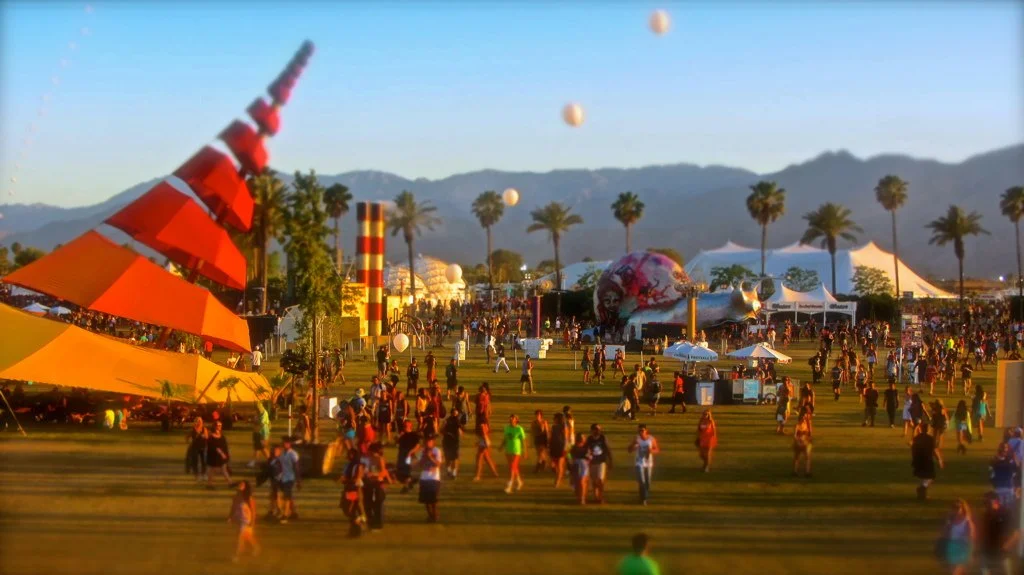
Coachella 2013. sachoben. CC BY-SA 2.0.
It’s the midst of music festival season — Coachella and Stagecoach wrapped up in April, Gov Ball was the first weekend of June, Lollapalooza and Hinterland are set for the first weekend of August, with Outside Lands following the second weekend. To say these festivals are just about the music would be a lie, as they’ve become runways of their own. In recent years, being at Coachella has become something of a status symbol, with most concertgoers spending anywhere between $1,000 to $8,000 for a single weekend. A Pinterest search for “Coachella outfit inspo” will lead you to cowboy boots, denim tops, knit dresses and other desert-themed attire, while a search for “Gov Ball outfit inspo” brings up flashy halter tops, Doc Martens and graphic tees. It’s not just about dressing for the music, but within the theme of the festival and the environment you're in.
A study by Teen Vogue found that 7.5 million festival outfits are single-use. Fast fashion companies like Shein, Urban Outfitters and 12th Tribe are often the driving forces behind “festival collections.” Most people don’t wear a festival outfit more than once because of social media’s influence — they don’t want to be seen in the same outfit twice. Influencers can also gain traction on platforms like TikTok and Instagram through “what to wear” festival content and brand hauls featuring fast fashion brands like Free People, H&M, Zara and more.
There’s also a thrill in creating specific outfits meant to be worn just once, especially if you're inspired by the festival’s aesthetic or the artist you're seeing. Because most festival outfits include bold or funky pieces that wouldn’t be worn day-to-day — like beaded bra tops, leather fringe pants, or sheer bikini dresses — this contributes to the single-use outfit phenomenon. Single-wear outfits have been normalized in the name of “self-expression” or fashion.
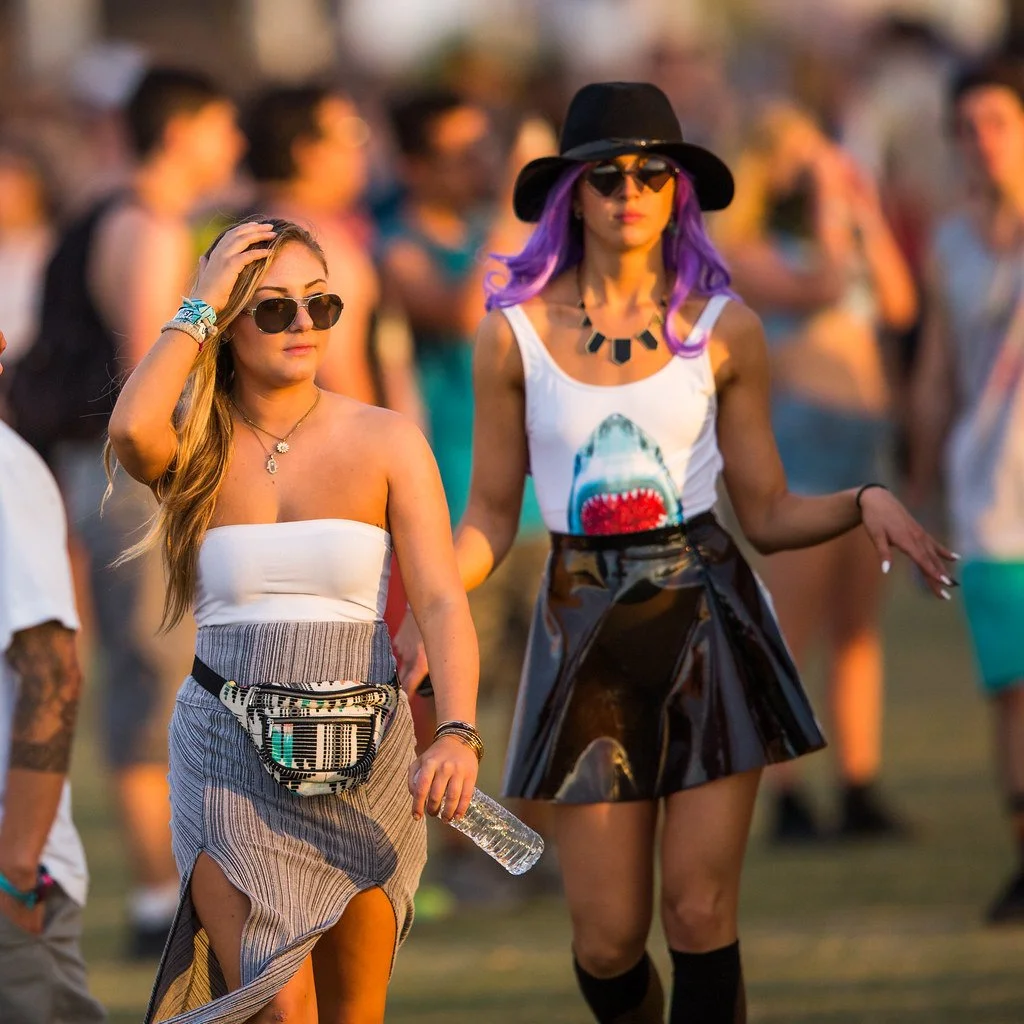
Coachella 2014. Thomas Hawk. CC BY-NC 2.0.
Festival-goers typically spend between $100 and $1,000 on each outfit, and a three-day festival generates over 500 tons of carbon emissions, much of it tied to single-use clothing purchases. Most of these outfits are made from polyester and don’t last long. Festival fashion normalizes single-use looks in a way similar to holidays like Halloween, where it's common to buy multiple costumes that would never be worn otherwise. In this sense, festival outfits function like costumes — embodiments of creativity, self-expression and alternate personas.
Fast fashion is responsible for 10% of global CO₂ emissions, and worldwide fashion consumption has increased by 400% over the past 20 years, driven in part by fast fashion’s accessibility. According to research analysts Elizabeth Reichart and Deborah Drew, “making a pair of jeans produces as many greenhouse gases as driving a car more than 80 miles.” It’s hard to say how to “win” the fashion debate. On one hand, some advocate for shopping at more sustainable, eco-friendly brands like Reformation, Everlane and Patagonia — although these are often expensive and inaccessible to many. Others promote secondhand shopping, though that too has faced criticism for the increasing gentrification of the thrifting industry.
So what’s the solution? Is it as simple as shopping less or owning fewer clothes altogether? Especially in the context of festivals, could it mean buying fewer single-use pieces, and instead wearing everyday garments with added flair through accessories or jewelry? The answer isn’t to stop dressing up for festivals but to rethink how we do it — choosing garments we’ll wear again and finding ways to express ourselves without creating as much waste.

Agnes Moser Volland
Agnes is a student at UC Berkeley majoring in Interdisciplinary Studies and minoring in Creative Writing, with a research focus on road trip culture in America. She currently writes for BARE Magazine and Caravan Travel & Style Magazine. She is working on a novel that follows two sisters as they road trip down Highway 40, from California to Oklahoma. In the future, she hopes to pursue a career in journalism, publishing, or research.