
Kelcie Lee
Liverpool’s history of Irish immigration after the Great Famine has come to deeply influence the city’s culture and traditions.
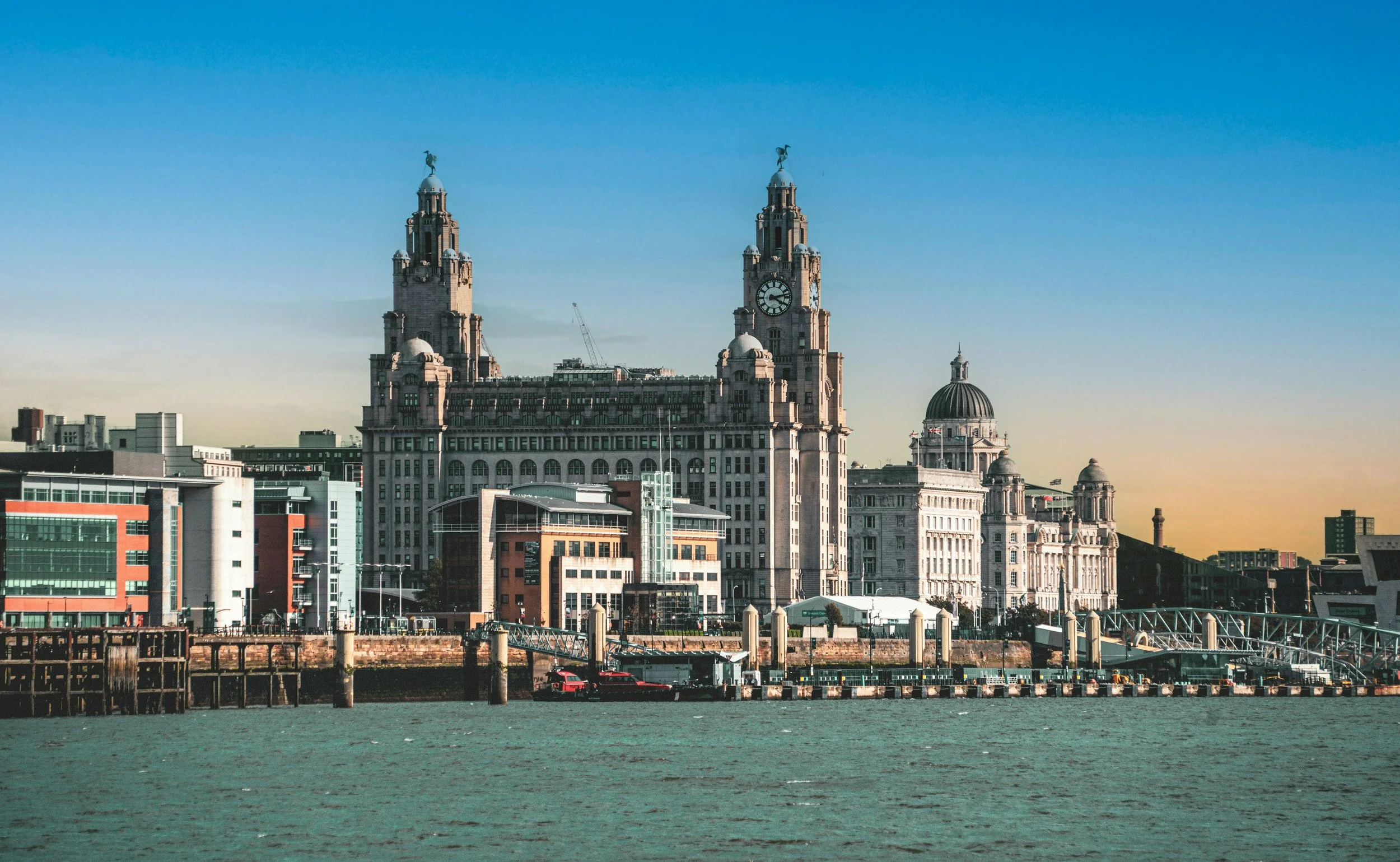
Liverpool. Mylo Kaye. Unsplash.
Liverpool is famously known for being the home of the hit rock band The Beatles, but it has a lot more history and culture to offer beyond its musical heritage. A maritime city and seaport, Liverpool is located in North West England. It boasts an iconic skyline with its mercantile buildings, including the famous “Three Graces,” which consists of the Royal Liver Building, the Cunard Building and the Port of Liverpool Building.
But more than the city’s beauty is the town’s deep Irish roots, with some even saying Liverpool feels like you’re taking a stroll down a street in Ireland. While there was already an established Irish community in Liverpool before the Great Famine in the 1840s, the catastrophe led millions to flee from Ireland. As many immigrants went to the United States, they often waited in Liverpool before making their ultimate departure. Those who couldn’t leave ended up staying and settling in the city. But even for those who made it to the U.S., primarily at ports in Massachusetts and New York, Irish immigrants were often turned away by state officials due to anti-immigrant and nativist sentiment, with many being deported immediately back to Liverpool. This left the English city with a sizeable Irish pauper population in need of aid, food and medical assistance.
The relocation of millions of Irish people in the mid-1800s left a long-lasting impact on Liverpool’s population, which is currently estimated to have a 75% Irish ancestry. This is a significantly high percentage for an English city, and because of it, Liverpool has been home to Irish culture and traditions.
The Museum of Liverpool (Pier Head, Mann Island, Liverpool L3 1DG, United Kingdom) holds paintings, photographs, interactive exhibits, statues and films of Liverpool’s Irish history. The museum also houses the reconstructed living quarters of Irish people who lived in court housing. Due to poor conditions, several dozen families would have shared one room, one water tap and one bathroom, leaving them to battle infectious diseases, including typhoid and cholera.
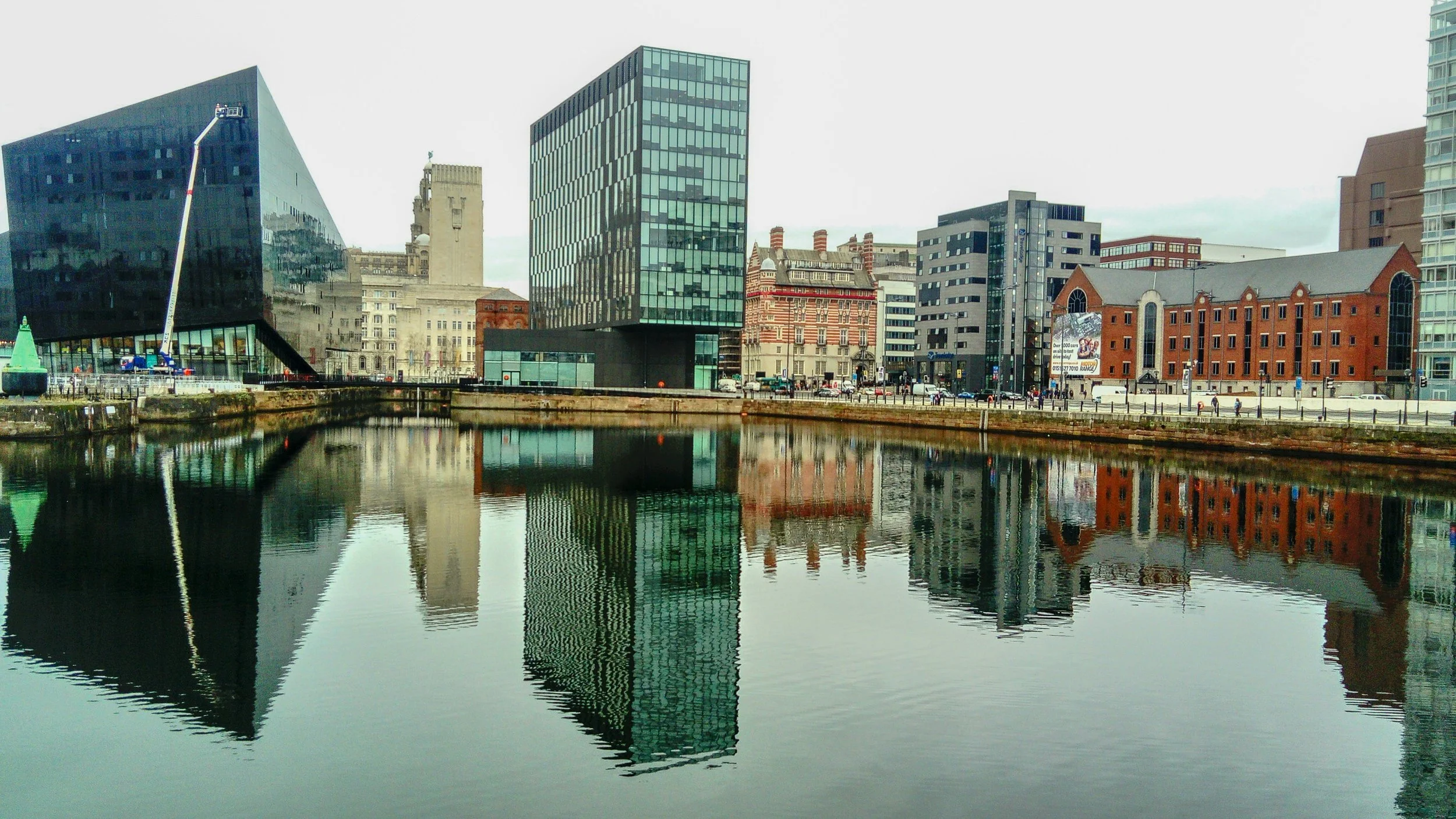
Liverpool buildings mirrored in the water. Mark Stuckey. Unsplash.
To this day, Liverpool still boasts its Irish heritage and culture. Every year in October, 10 days are dedicated to the Liverpool Irish Festival celebration with a variety of city events. The festival also draws attention to continuing initiatives in understanding Irish influence on the city and the impacts of the Great Famine.
The Irish have also impacted Liverpool through local culture and music. The city’s pub scene, which is famously connected to Irish culture, is lively and plentiful on every corner and block. The quintessential Irish holiday, St. Patrick’s Day, is also widely celebrated, and it includes the participation of thousands joining in festivities.
Whether you’re a big fan of The Beatles or want to learn more about Irish culture, Liverpool has come to be known is a remarkable city that is worth visiting.

Kelcie Lee
Kelcie is a second-year student at UC Berkeley majoring in history and sociology, with a minor in journalism. She developed her passion for writing and journalism in high school, and has since written for a variety of news and magazine publications over the last few years. When she isn't writing, Kelcie can be found drinking coffee, listening to music or watching the sunset.