
Kelcie Lee
Korean bingsu, Japanese kakigori and Taiwanese baobing have become East Asia’s new favorite sweet treats.
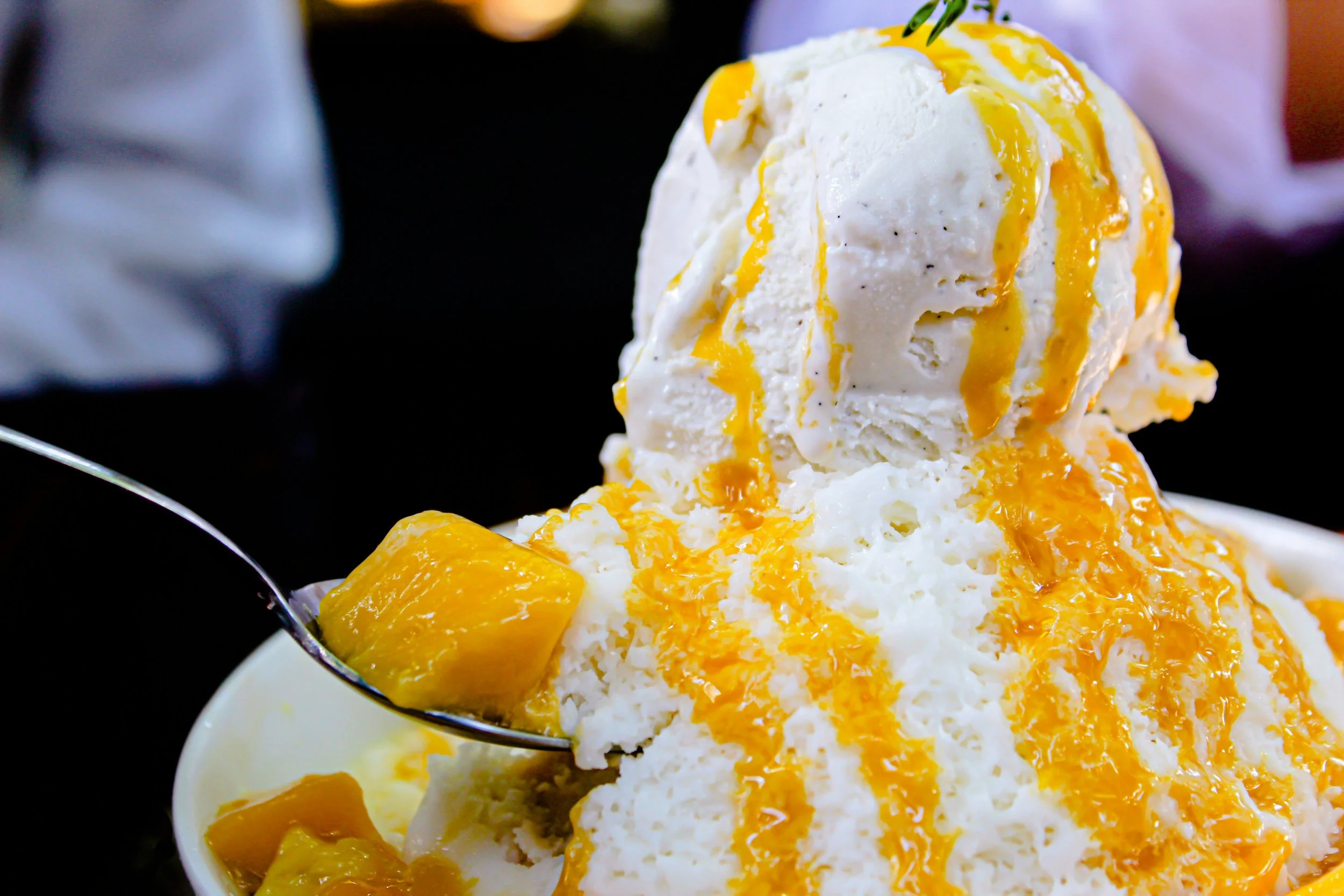
Korean mango bingsu. Crystal Jo. Unsplash.
When you think of shaved ice, you probably imagine the bright colors that bleed into one another on a Hawaiian snow cone. But shaved ice desserts look different all over the globe, especially in East Asia. More recently, these sweet treats, including Korean bingsu, Japanese kakigori and Taiwanese baobing, have taken over the world by storm.
Although there are other forms of shaved ice, these three have been the most popular in East Asia lately. Korean bingsu is a milk-based frozen treat with a variety of sweet toppings. These toppings often vary, but they can include red beans, condensed milk, fruit syrup and chopped fruits.
Bingsu has been traced back to the Joseon Dynasty, which lasted from 1392 to 1910. Originally, ice taken from iceboxes was shaved into flakes and mixed with fruit, and this is thought to be the earliest form of bingsu. However, until 1913, these iceboxes were only accessible to the elite class. After ice manufacturers started producing for mass consumption around 1913, bingsu merchants started popping up, especially in Korea’s capital, Seoul. Since the 1980s, bingsu has surged in popularity, and now it’s known as a treat and snack of the people. Korean cafes and dessert shops offer plenty of unique bingsu variations, even allowing customers to choose toppings and flavors.
While bingsu can be found in most dessert shops in Korea, it has also gained popularity in the United States. Bingsu stores often carry many flavors, including Thai tea, matcha, chocolate, coffee and a variety of different fruits.
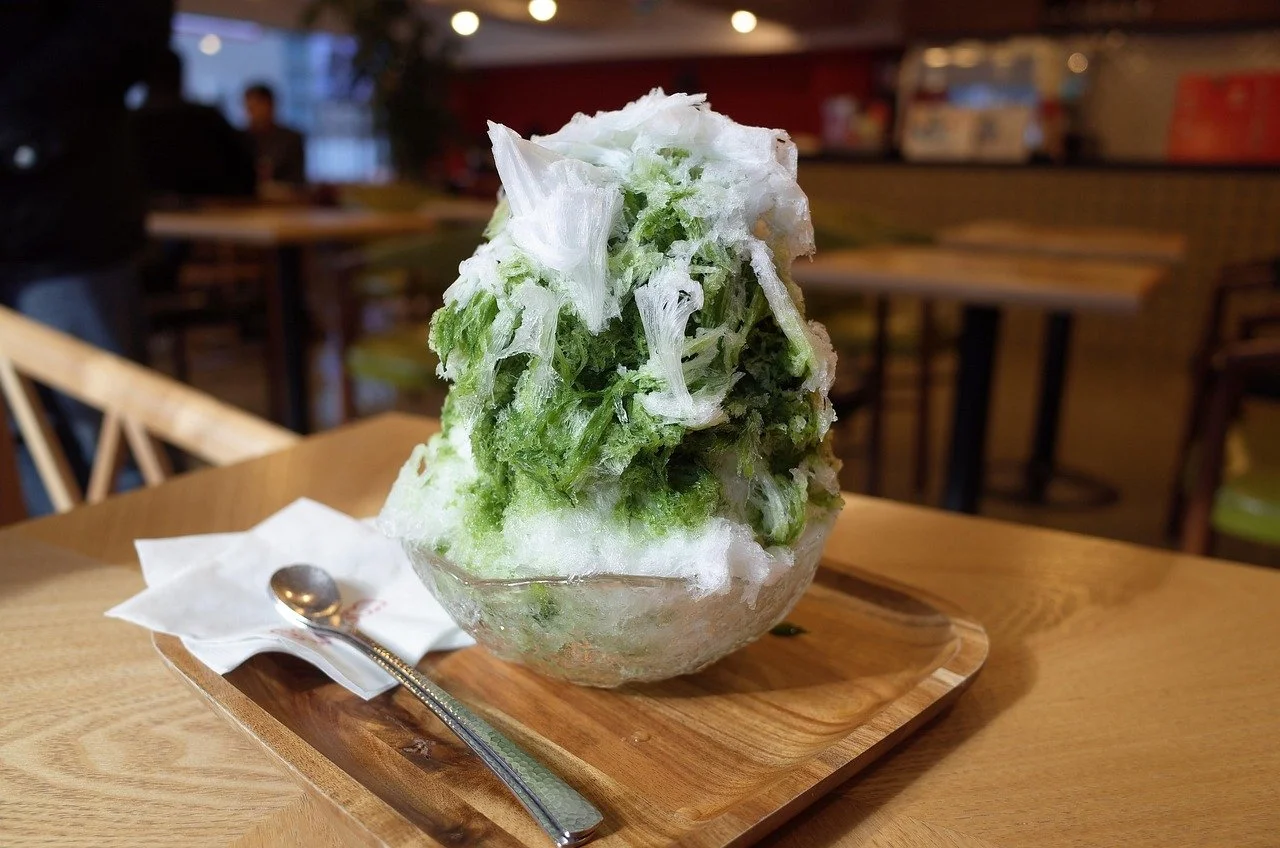
Japanese matcha kakigori. Jay Bahc. CC0.
Japanese kakigori is made from room-temperature mineral water to achieve a light and fluffy texture. Similar to bingsu, kakigori is topped with condensed milk and flavored syrups, like matcha and classic fruit flavors.
Kakigori dates back to the Heian period, which ran from 794 to 1185. Inside insulated caves, aristocrats would store natural ice to make this dessert, which was later shaved and topped with sweet sap and fruit juices. During the Taisho era, which lasted from 1912 to 1926, baobing became more popular due to technological advancements that made ice more accessible. Baobing has since become the go-to summertime treat at festivals and from street vendors. Its popularity led to an expansion of flavors in fruit syrups, and now it exists as a symbol of summer in Japan.
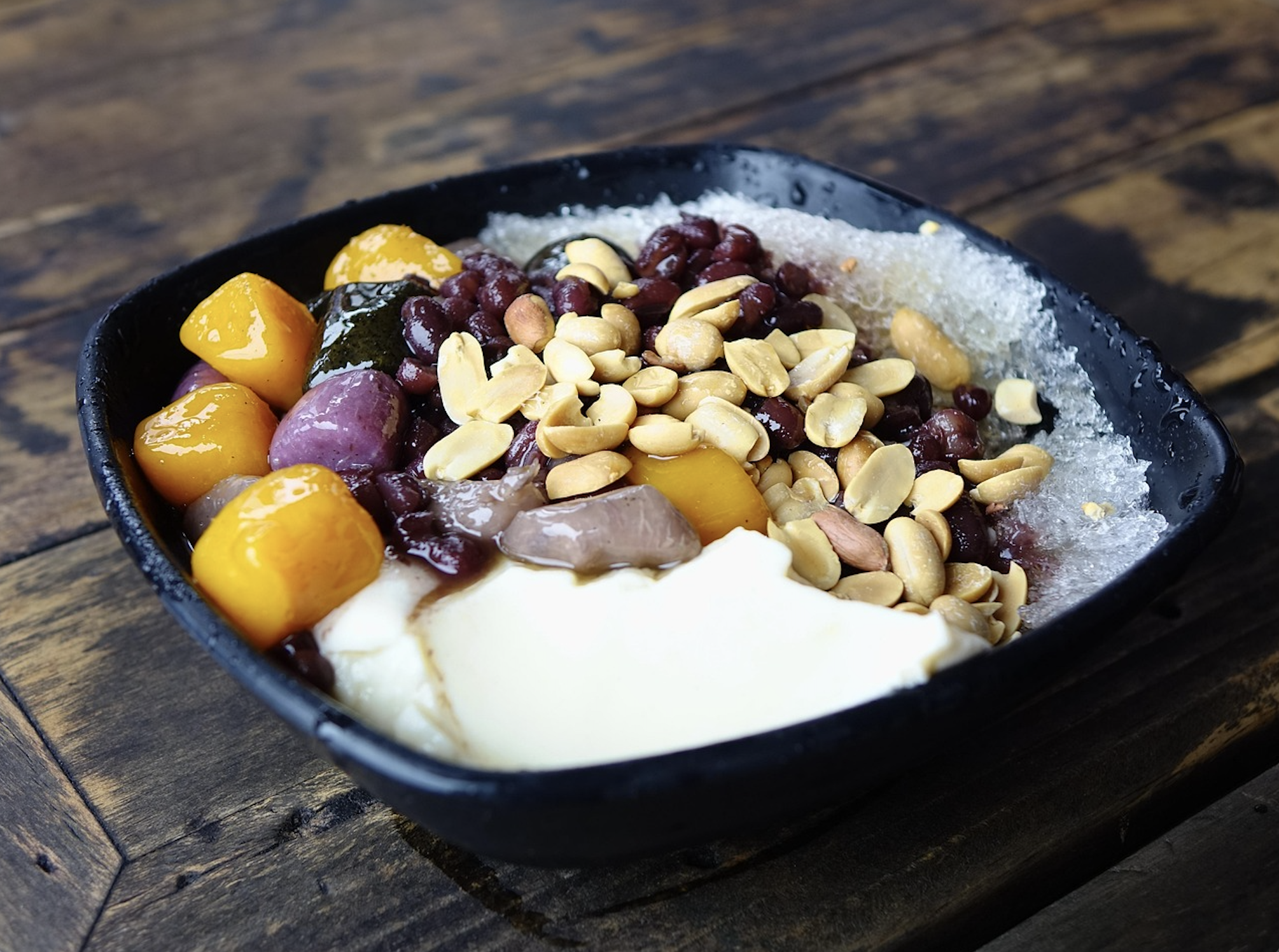
Taiwanese baobing. Jason Goh. CC0.
Lastly, Taiwanese baobing stands out with its vast and luxurious toppings that sit around or atop flaky shaved ice alongside a creamy condensed milk mixture. Baobing’s toppings can include red beans, mung beans, taro cubes, grass jelly, black tapioca pearls, glutinous rice balls, sweet potato balls, chopped fruit and small mochi balls.
Similar to bingsu and kakigori, baobing was originally enjoyed by elites during the seventh century as a royal treat. While popularized under Japanese rule of Taiwan, baobing later spread to the greater China region.
While these East Asian treats cool off locals and travelers alike during the hot summer months, shaved ice desserts have also become a popular snack all over the world, especially in the United States. Within the country, there are various bingsu, kakigori and baobing dessert shops, especially in Asian cultural districts or enclaves, including San Jose, San Francisco’s Japantown, New York City’s Flushing district, Little Korea in Virginia, etc. The next time you’re traveling to Asia or are craving a sweet treat, these three icy desserts might be available for you to indulge in.

Kelcie Lee
Kelcie is a second-year student at UC Berkeley majoring in history and sociology, with a minor in journalism. She developed her passion for writing and journalism in high school, and has since written for a variety of news and magazine publications over the last few years. When she isn't writing, Kelcie can be found drinking coffee, listening to music or watching the sunset.