MOROCCO TRAVEL GUIDE
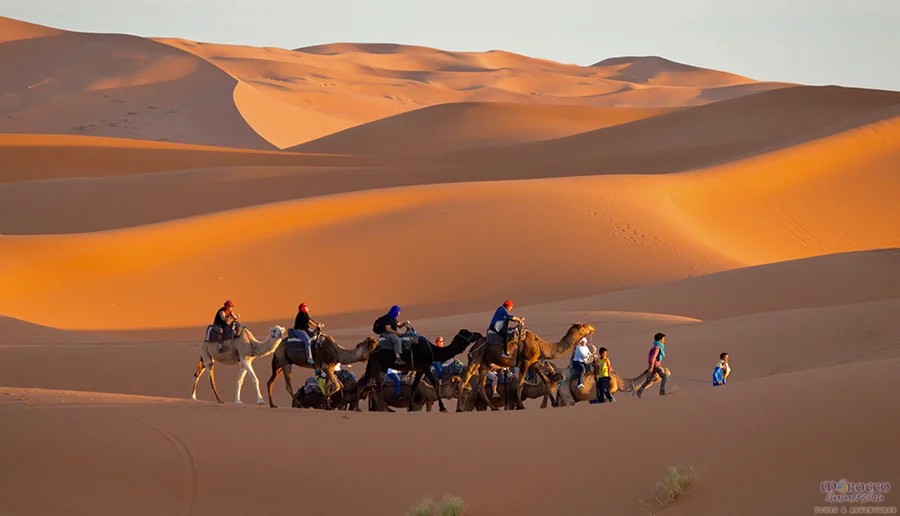
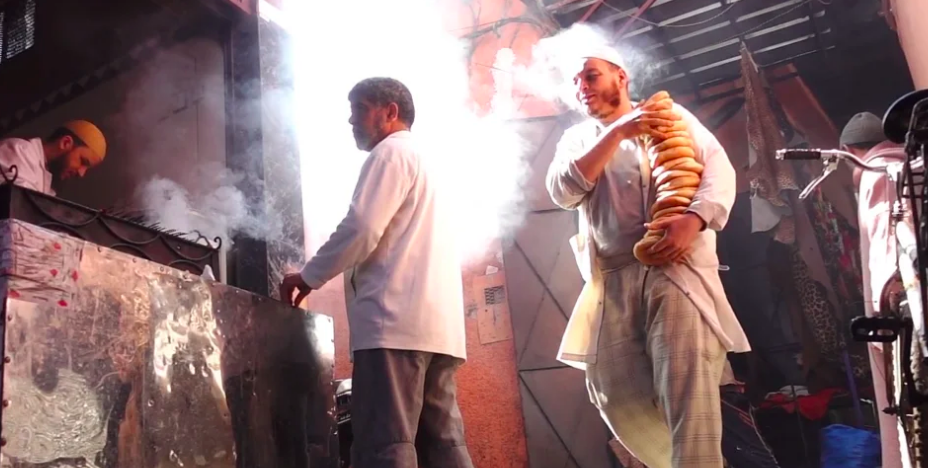
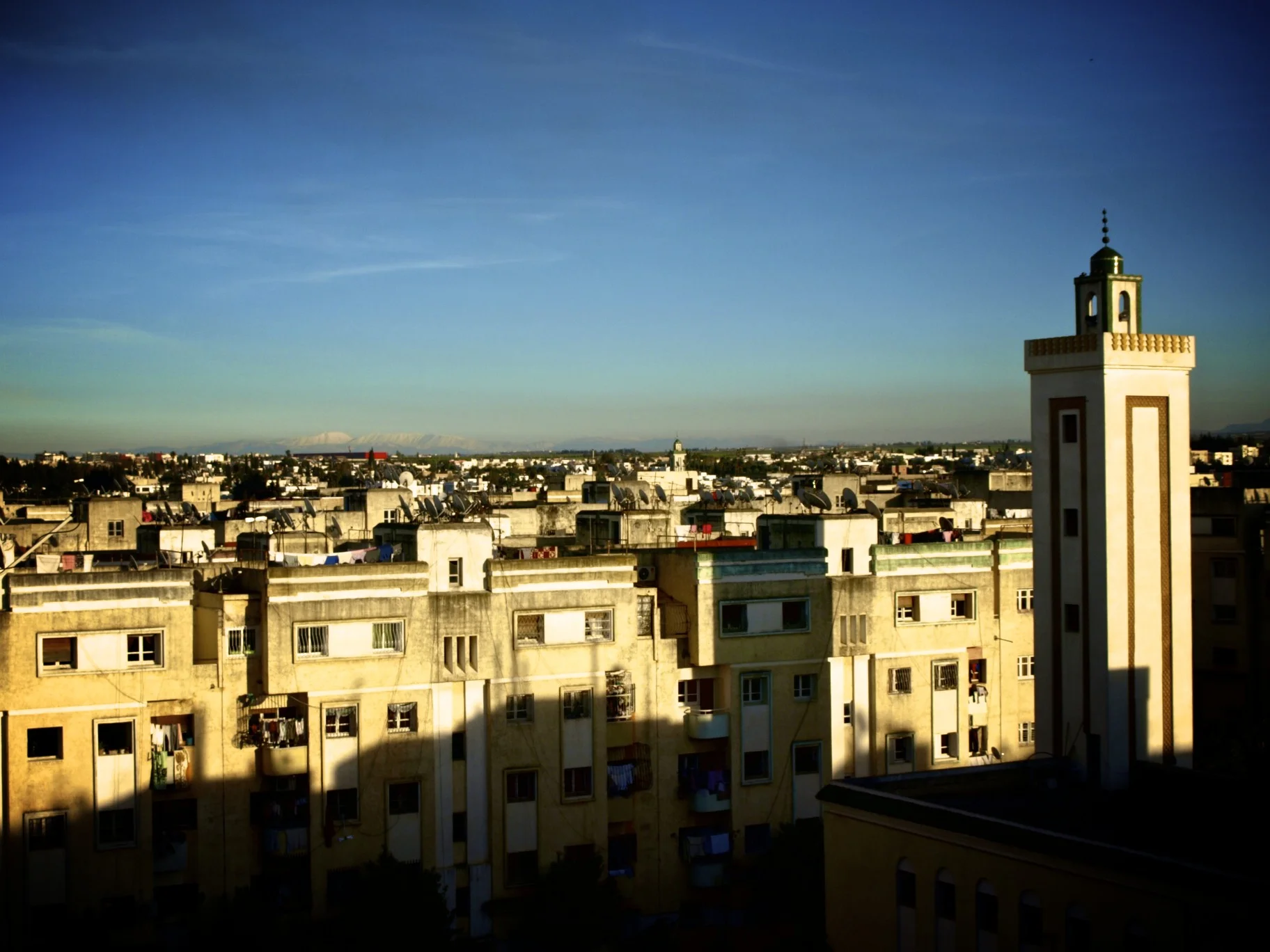
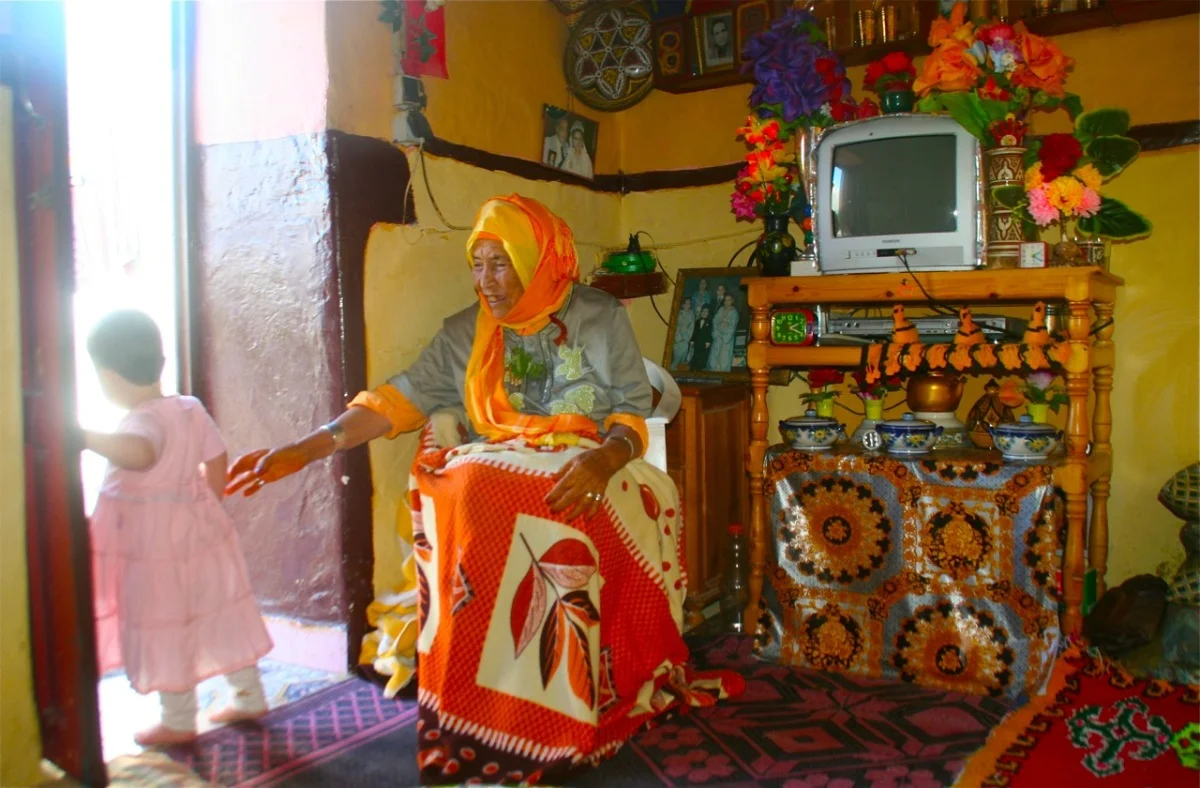
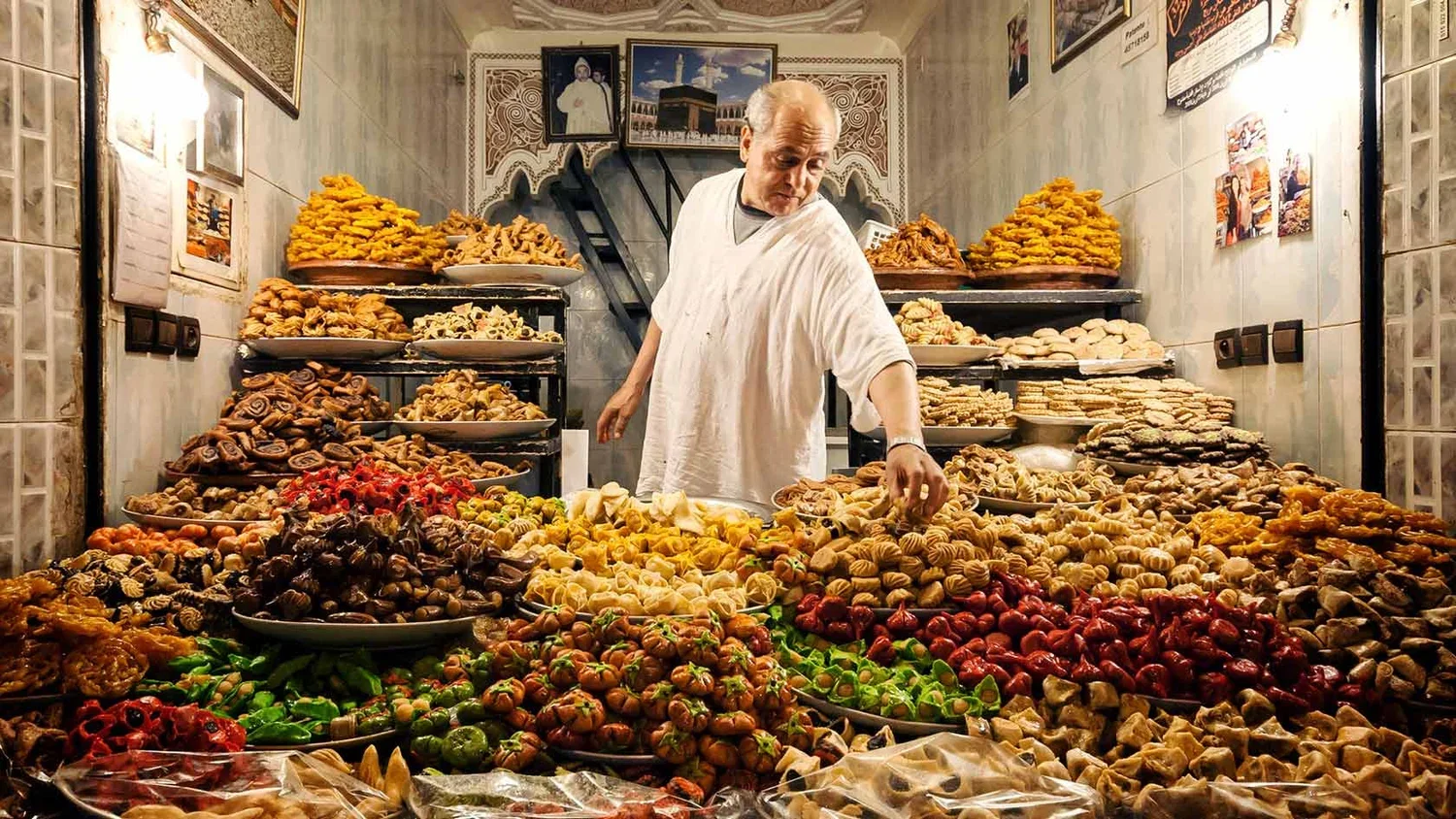
Morocco draws in travelers with its rich cultural diversity, world-renowned markets and wide range of natural attractions. From avid surfers to foodies, everyone can find a home in Morocco. Take your time strolling through the UNESCO-listed old towns and wander through vibrant souks (markets), all the while admiring beautiful architecture and gardens. With Morocco’s history beginning as early as the 8th century, its cities are hotspots of tradition and culture. Tourists flock to Morocco for tastes of its culinary delights, beautiful and diverse environments and to learn more about its cultural heritage. Whether you’re looking for world-class surf breaks, a foodie tour at a night market or a camel-back adventure through the Sahara, Morocco has it all.
Currency: Moroccan dirham (MAD)
Language: Arabic and Moroccan Berber
Average Temperature: 17.5 C | 63.5 F
On Season: March-May and September-November
Off Season: June-August and December-February
Average Cost Per Day; Budget-Luxury: US$30-$150+
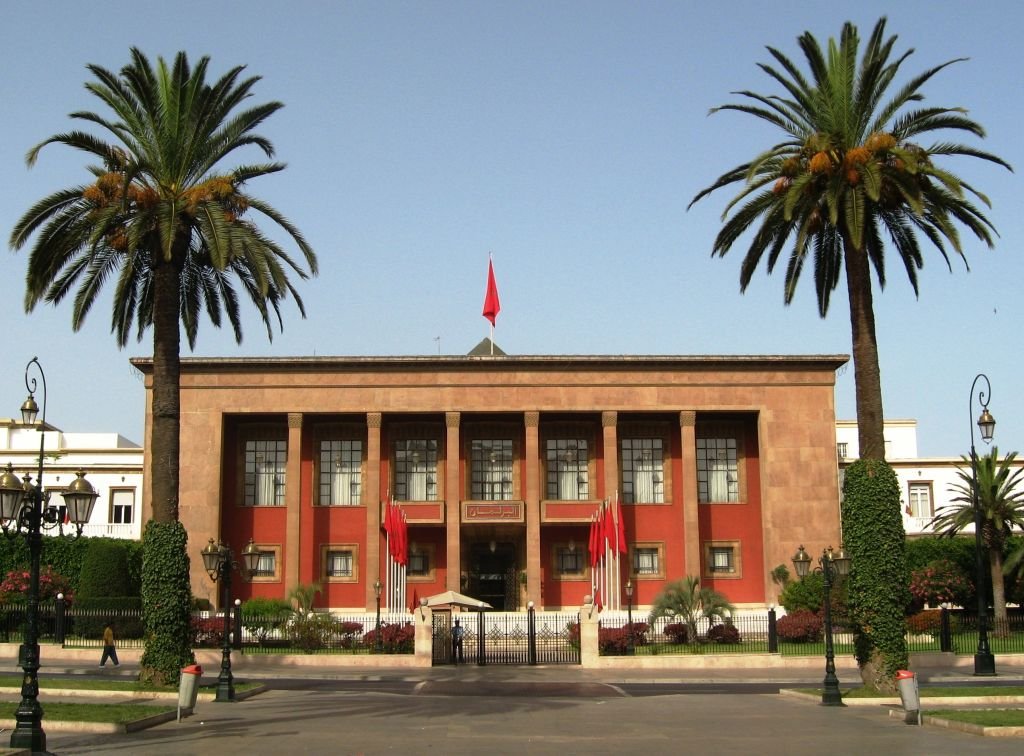
Government: Morocco is a constitutional monarchy with an elected parliamentary legislative system. The King is the most powerful person in government and appoints the prime minister from the party that wins the most seats in parliament. The parliament has two chambers in which legislation is debated and passed; citizens elect members of one chamber, the House of Representatives, while members of the other chamber, the House of Councillors, are indirectly elected.
Entry Requirements: You must have a passport valid six months beyond your arrival date, and an empty page is required for an entry stamp. Tourist visas are not required for stays under 90 days.
AT A GLANCE
Morocco lines the coast of Northwestern Africa, bordering both the Atlantic Ocean and the Mediterranean Sea. With this geographic location and its proximity to Spain, Morocco has long been the product of cultural fusion. Vibrant and lively cities dot the country, rendering it a coveted road trip destination. Discover the diverse landscapes of Morocco through this quick guide to its distinct regions and what makes each one unique.
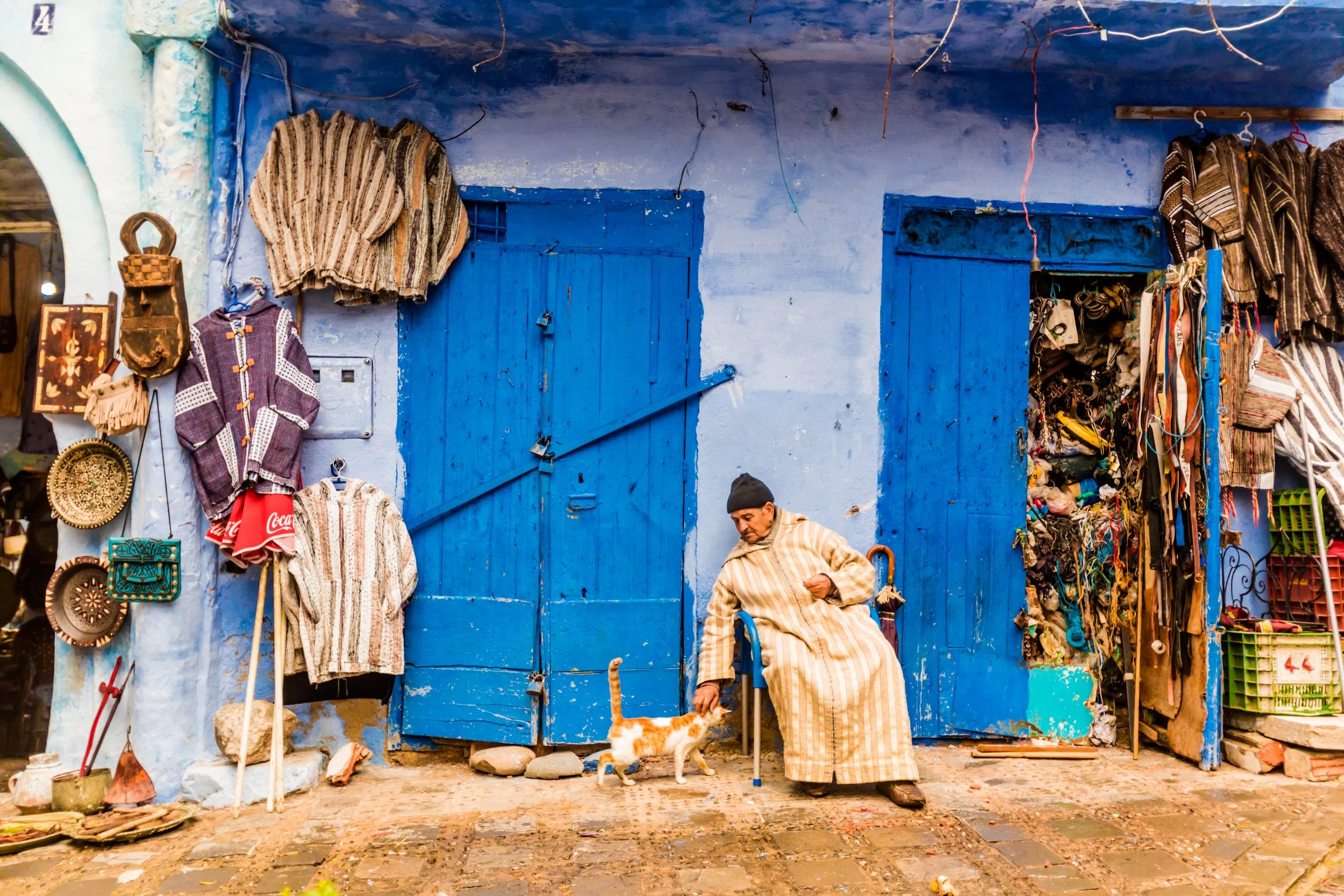
North Morocco: Northern Morocco is shaped by centuries of Mediterranean trade and European influence, blending cultures in a way that sets it apart from the rest of the country. Tangier, just an hour’s ferry from Spain, has long been a meeting point for travelers, artists and writers. Nearby Tetouan boasts a beautifully preserved Andalusian medina, while Chefchaouen’s famous blue-washed streets provide a peaceful retreat in the Rif Mountains.
The region is also rich in natural beauty. The Rif Mountains offer scenic hikes and waterfalls, like Akchour, while the coastline features some of Morocco’s best beaches. Asilah and Martil are known for their laid-back seaside charm, while Al Hoceima’s Mediterranean waters and rugged cliffs make for a breathtaking coastal escape.
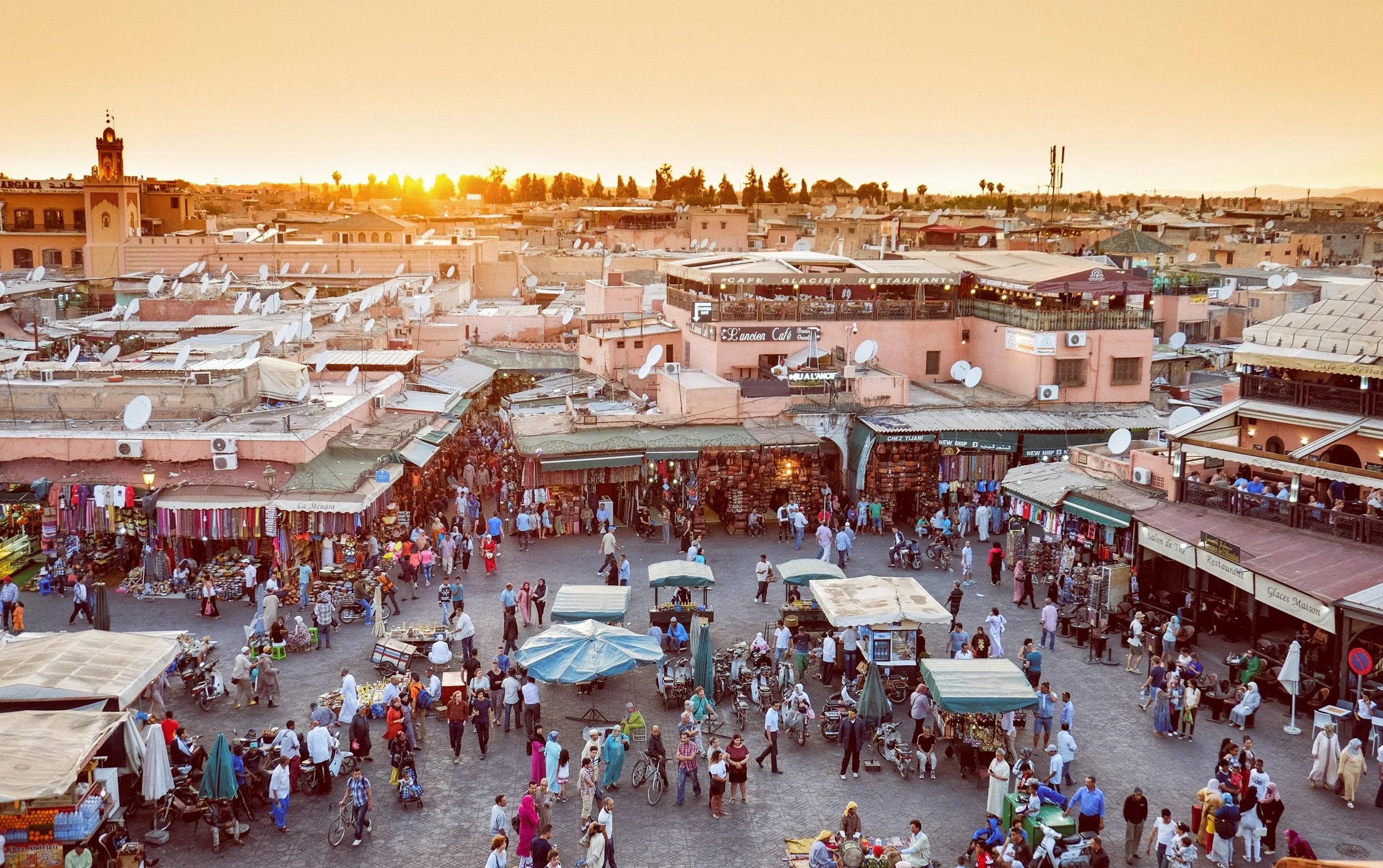
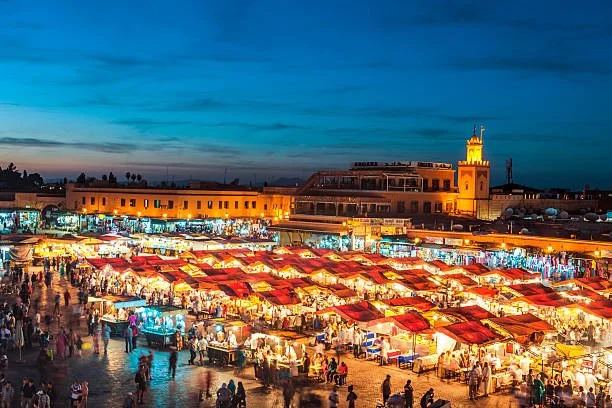
Central Atlantic Coast: The Central Atlantic coast is a large stretch of the country and covers major cities like Rabat, Essaouira, Marrakech and Casablanca. These cities are renowned for their architecture, mystique and vibrance. Enjoy Casablanca’s modern flair amidst historical areas or the lively capital of Rabat. The beachside port city of Essaouira offers a more relaxed environment; admire its beaches and the old city, as seen in “Game of Thrones,” or watch the daily bustle of the port. Marrakech is also a must-visit destination in this region, with its exciting markets, history and nightlife. Outside these cities is an interesting mix of landscapes, from golden beaches to small, rocky deserts, and even to a palm oasis. Enjoy exploring around the lively cities of this region and marvel at all that is in between.
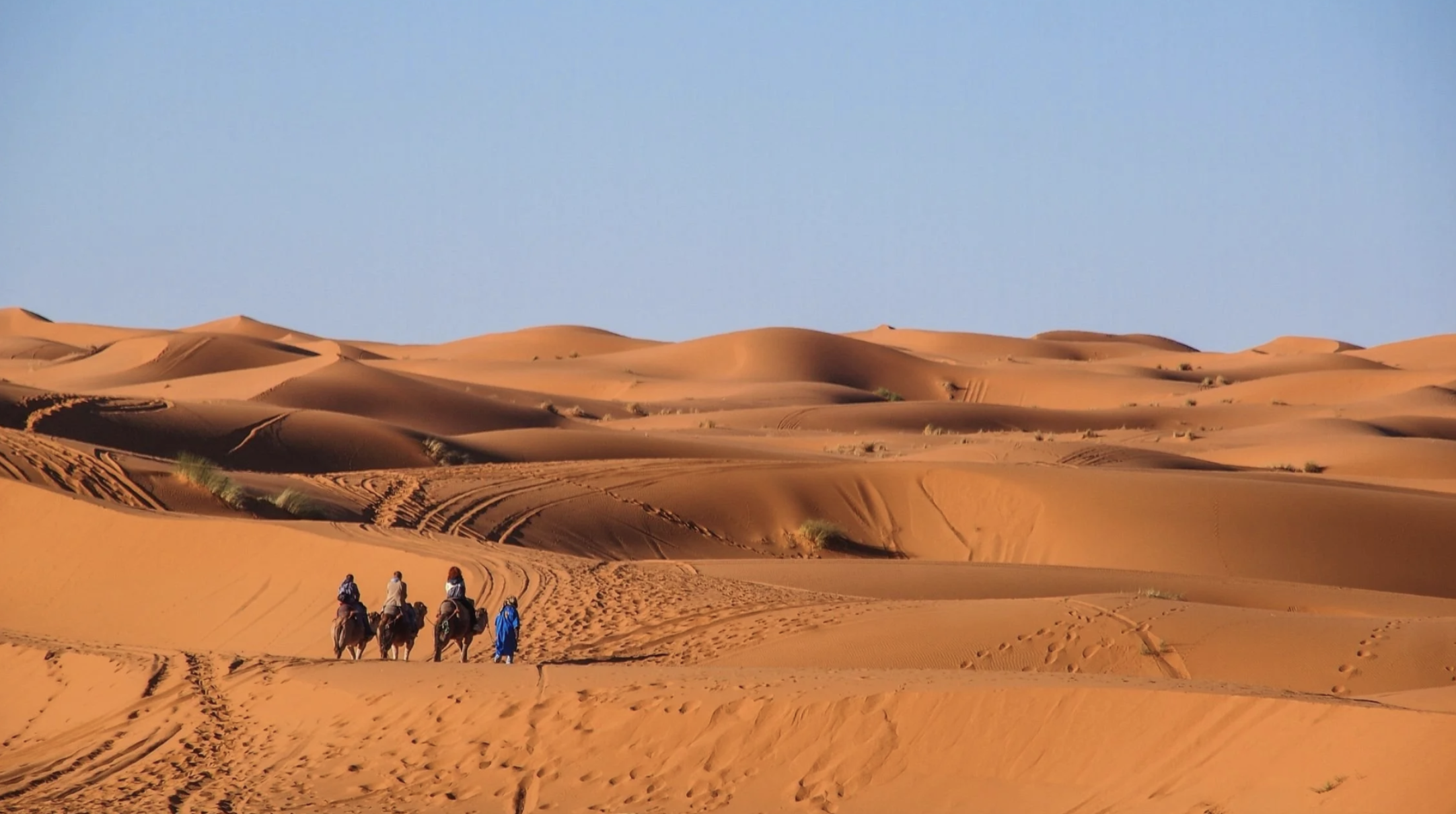
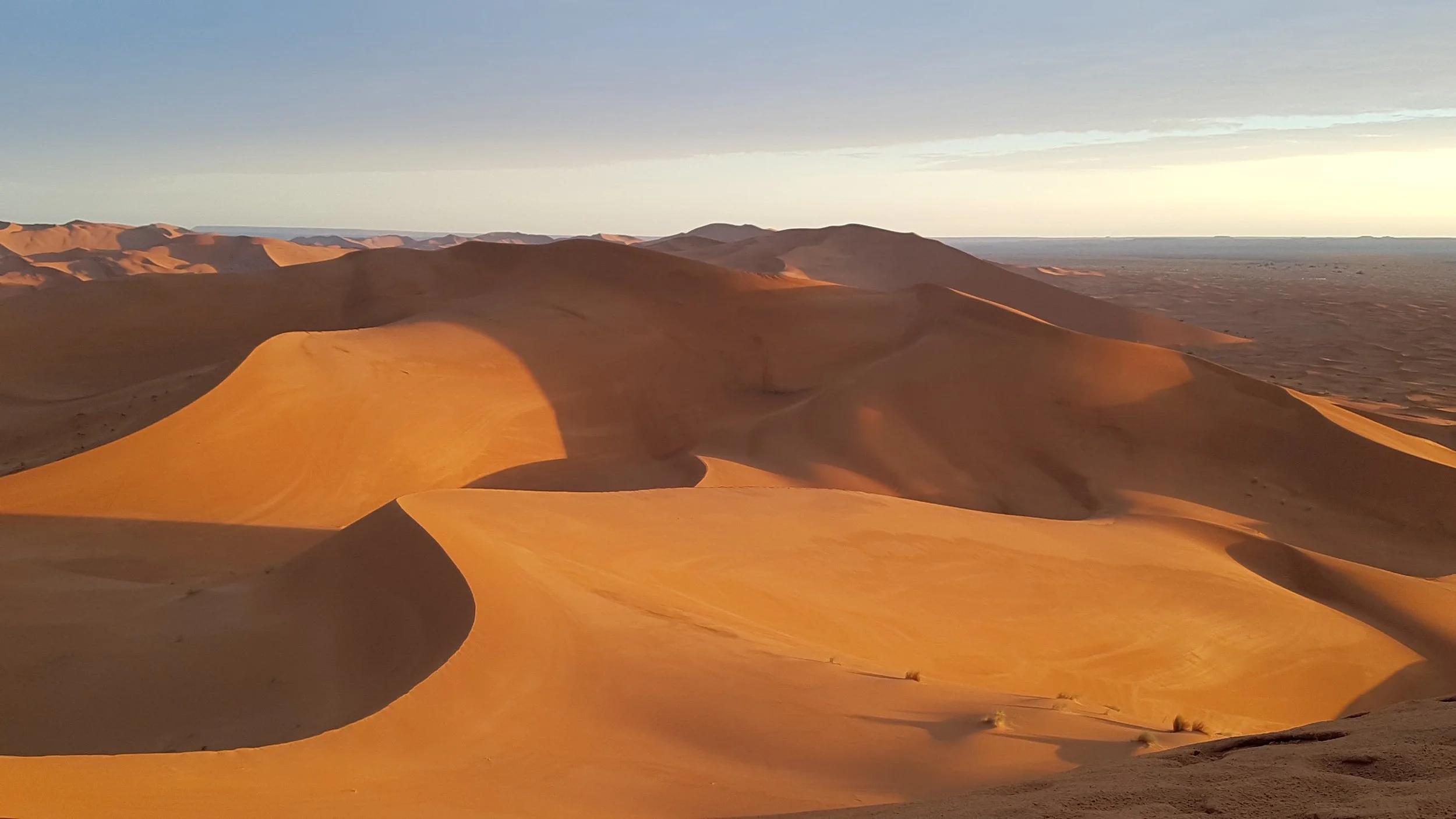
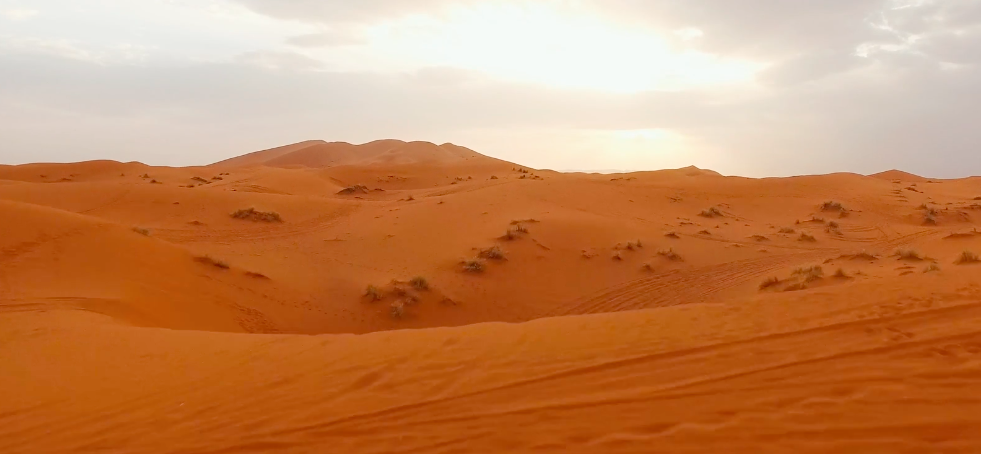
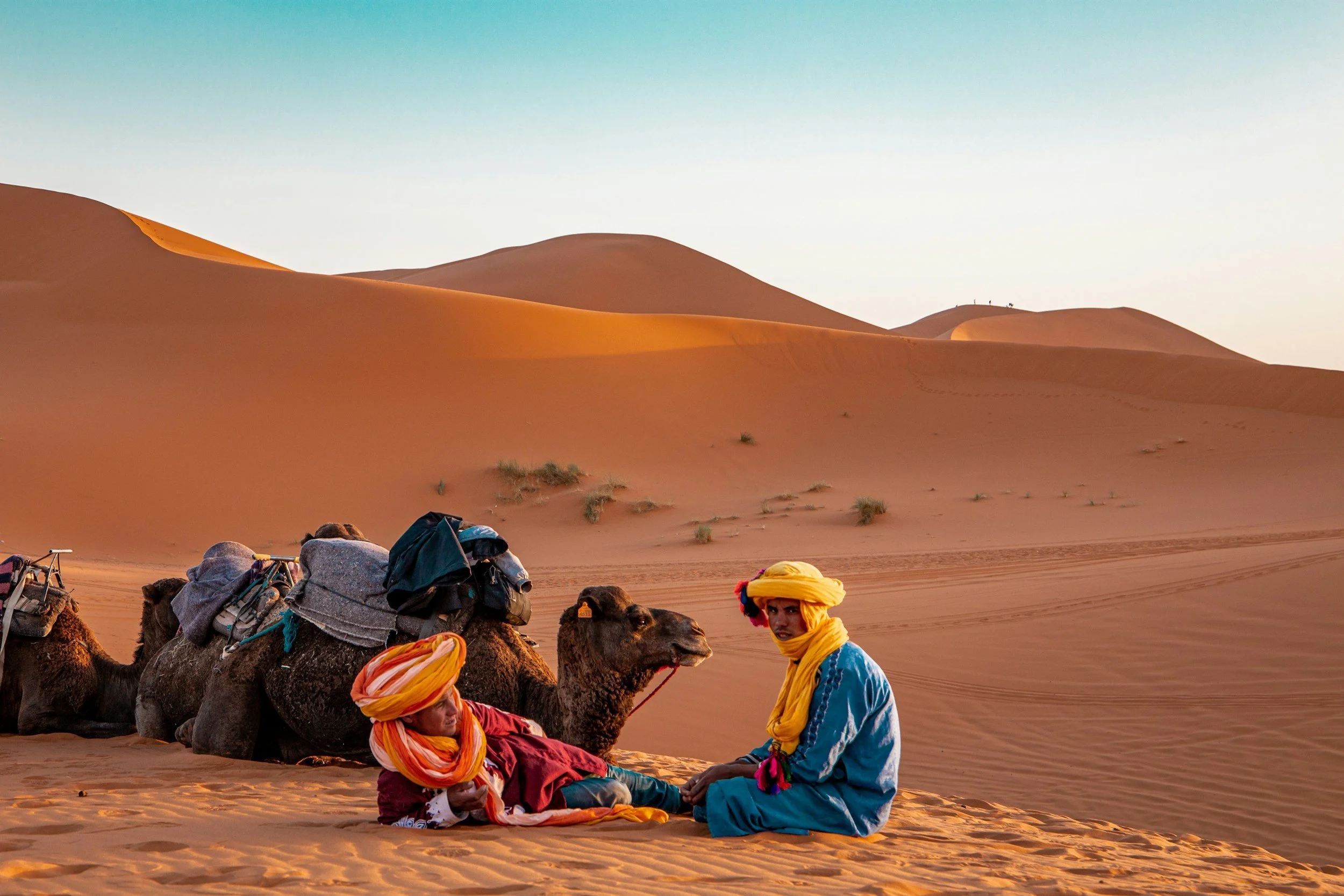
Inland and Central: This region showcases Morocco’s diverse landscapes, from the rugged Atlas Mountains to the golden dunes of the Sahara. Travelers can trek through Amazigh villages, hike dramatic canyons like the Todra and Dades Gorges or experience a traditional desert camp under a sky full of stars.
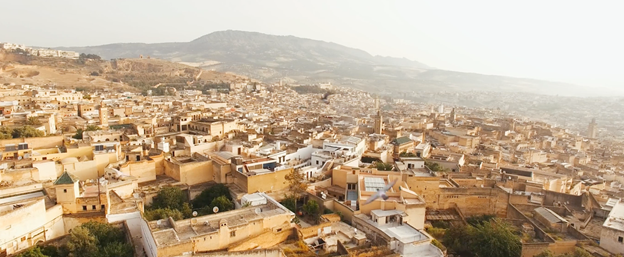
Fes, Morocco’s “cultural capital,” is home to one of the best-preserved medieval medinas in the world, with historic madrasas, vibrant souks and the famous Chouara Tannery. Nearby Meknes, a former imperial city, features impressive sites like Bab Mansour and the Mausoleum of Moulay Ismail. Nature lovers can explore Ifrane’s cedar forests, where wild Barbary macaques roam, or visit the striking blue spring of Oum Rabia, a hidden gem in the Middle Atlas.
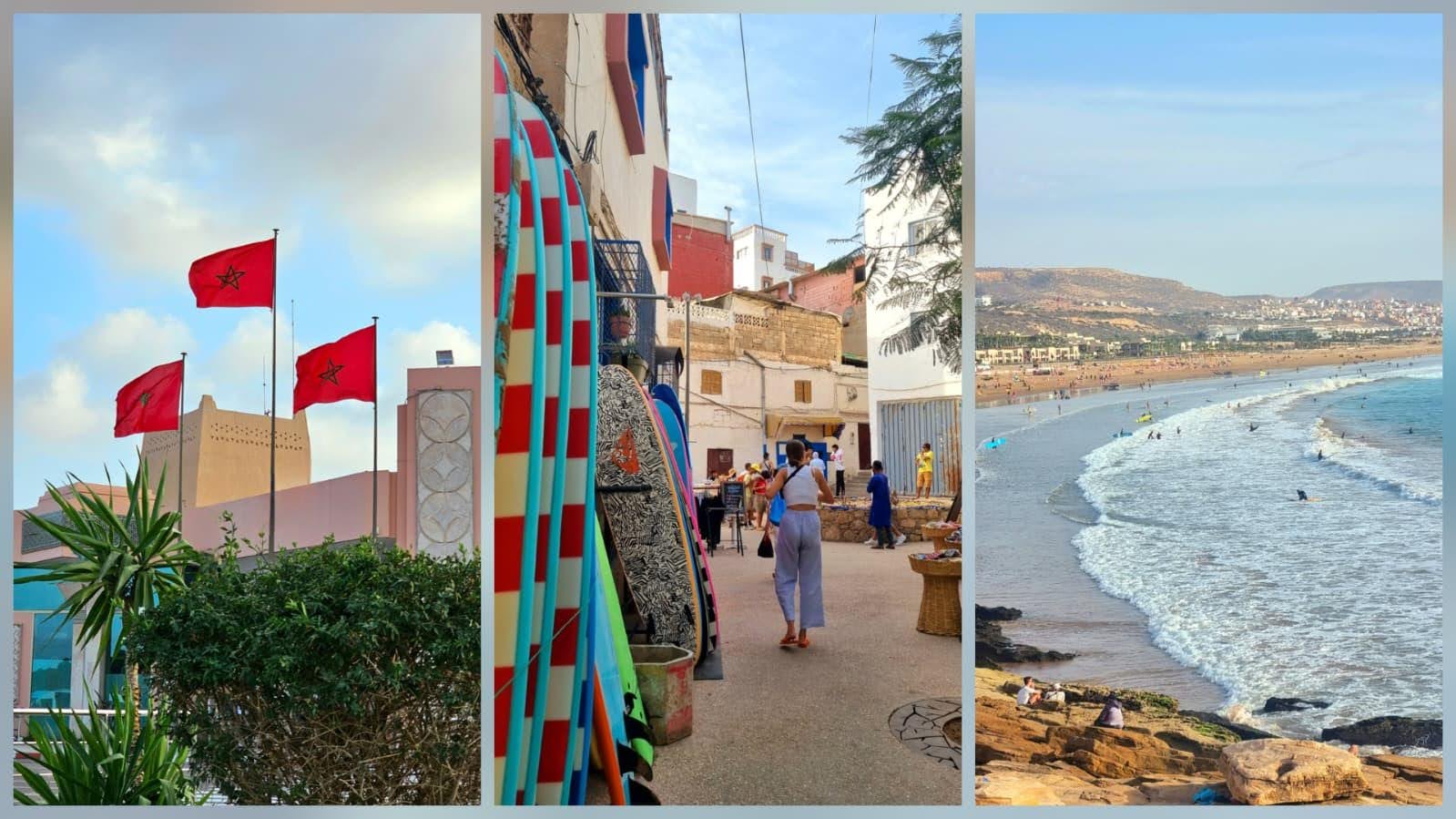
Southern Coast: Parts of the Southern coast have been well-loved by surfers longing for the perfect wave. Taghazout is a prime surf destination, hosting World Surf League events and attracting surfers from around the world. South of there, Tamraght offers a quieter atmosphere with excellent waves for all skill levels.
Venturing farther south, visitors can find Agadir, a major beach town with wide sandy beaches and a vibrant feel, perfect for water sports and exploring nearby attractions like the Souss-Massa National Park. The seaside towns of Mirleft and Sidi Ifni offer rugged coastlines, secluded beaches and a peaceful retreat.
-
Although Morocco is considered a year-round destination, the best time to visit is during the spring (March-May) and fall (September-November) for the most enjoyable weather. It might be best to avoid the summer months (June-August) due to scorching temperatures, though prices may be lower. Winter has fewer crowds but offers much colder temperatures.
-
Traveling around the country:
When traveling around Morocco, there are many options for getting by, the choice often depending on what kind of traveler you are. For the independent traveler who wishes to reach more remote places, a rental car, private driver or private transfer might be a good option.
For those who are sticking to bigger towns and venturing into more remote areas with guides or planned activities, the well-connected trains and inner-country flights are a reliable way to get around. Morocco’s buses can connect you to small towns farther away.
For a traveler who’s looking to have transportation taken care of, consider booking a guided tour. Many choose to partake in tour groups that arrange shared transportation in vans or coaches around Morocco; these typically also come with planned activities.
Here is a deeper look into the various transportation methods in Morocco:
If you are planning a road trip through the country, be conscious that driving through city streets in places like Marrakech is not always recommended, as traffic can be difficult to navigate. If you are looking to rent a car, it is recommended that you be an experienced driver. Car rentals may range from US$22-$40 per day.
Morocco has a well-connected train system, the ONCF. One of these main routes is a high-speed journey from Casablanca to Tangier. This two-hour train has stops in Rabat and Kenitra, and ticket fares cost between US$33-$55 depending on the class of your ticket. Beyond this line, the company can offer connections via bus or smaller train to farther destinations.
Grand taxis or private drivers are also good options for a small group traveling between larger cities. Some private drivers may be found online through sites like Morocco Hire, Mint Tea Tours and GetYourGuide, or even through your accommodation.
Domestic flights are a quick option for traveling long distances within Morocco. Ryanair, a popular budget airline, has launched 14 domestic flight routes throughout the country. The airline offers flights from Fes, Marrakech, Agadir, Tangier, Tetouan and Errachidia. Flights can be as low as US$16.
Buses are an affordable way to get around Morocco. Supratours, one of the country’s most popular transit companies, can offer bus services beyond the train lines or for general intercity connections. Tickets may be bought online via ONCF or in person. CTM buses also cover an extensive region within Morocco for travel. Prices range based on your journey; for a CTM bus trip between Marrakech to Agadir, you can expect to pay about US$15. Buses can be hot and overcrowded, but they are one of the most budget-friendly options.
Intra-city travel:
From horse-drawn carriages to your classic yellow taxi, there are a myriad of options for getting around within Morocco’s cities.
One of the best ways to get around the old cities is on your feet. Walking around the medinas, the ancient city centers, is one of the best ways to explore. Wander through the narrow alleys, stop in shops and don’t be afraid to get a little lost.
Small taxis, known as petit taxis, run within many towns in Morocco. The petit taxis operate on a meter, with prices starting at 7 MAD (about US 70 cents). Grand taxis are larger vehicles that can fit more passengers and run to farther destinations. Travelers should know that prices may vary, as cost depends on location instead of a meter. Credit cards are rarely accepted, so make sure you bring cash to pay the fares. If there is no meter in the vehicle, agree on a price before you depart. Note that the taxi’s color varies depending on the city. Medinas, like the one in Fes, however, do not allow for the circulation of cars and vehicles other than bikes and mopeds within the walls.
While Uber is not available anywhere but Casablanca, the app Careem is a similar popular option within the major cities. Prices vary depending on the city and your ride.
A budget-friendly option for getting around the city of Marrakech is navigating the public bus system. The ALSA bus costs only 3 or 4 MAD (about US 40 cents), but be aware that it has been reported to be quite crowded and can be confusing for tourists to navigate.
Horse-drawn carriage rides, or caleches, are still used in Marrakech as a form of tourist transport, but many travelers choose to avoid them due to concerns about animal welfare. While these carriages offer a visible presence around the city’s main sites, they raise serious ethical questions about the treatment and working conditions of the horses. If you’re looking to explore at a slower pace, consider a walking tour or bicycle rental instead—more humane, and just as immersive.
-
Although English may be spoken in tourist areas or the hospitality sector, do not expect everyone to speak it. Travelers are recommended to download an easy translator app, like Google Translate or Reverso Context, which you may speak into, play aloud or simply show the person you are communicating with. Learning some phrases in the local Moroccan Arabic, known as Darija, is always appreciated and may get some smiles in return.
Here are some useful phrases to prepare for your trip:
Thank you - Shukran
Hi- Salam
No, thank you - La, shukran
How are you? - Labas?
Delicious - Bnin
The phrase Salaam alykum translates to “peace be upon you” and is commonly used as a greeting.
In terms of cultural etiquette, there are many ways that life in Morocco may be very different from the customs that you are used to. As with traveling anywhere, approach these differences with respect and an open mind.
These customs may vary depending on the region, rurality or situation you are in. The following examples are just a handful of things to be aware of when traveling in Marrakech, but be advised that there may be more in-depth or additional rules of etiquette that apply to different areas, such as when you are in someone’s home, in a highly religious space, etc.
What to wear: Morocco is a Muslim country, and it is advised for tourists to dress modestly when visiting. This may look like clothing that covers your shoulders and knees. Keep the swimwear to the pool or beach. When visiting religious sites, dressing more conservatively is respectful, like keeping your shoulders, arms and knees covered. Head coverings are not required, but you may choose to wear one. Although in Marrakech, there is a greater range of modern clothing styles.
Eating: Before eating, always wash your hands. If eating with your hands, it is a respectful practice to use your right one, as the left is considered “unclean.” During Ramadan, it is more respectful to avoid openly eating in public during the day. Don’t worry if you are not fasting; many restaurants stay open during the day to cater to tourists. Tipping is also a common practice in Morocco. Expect to tip when going out to eat and for other services, like you might in the US, such as for a private driver, the salon, porters, etc.
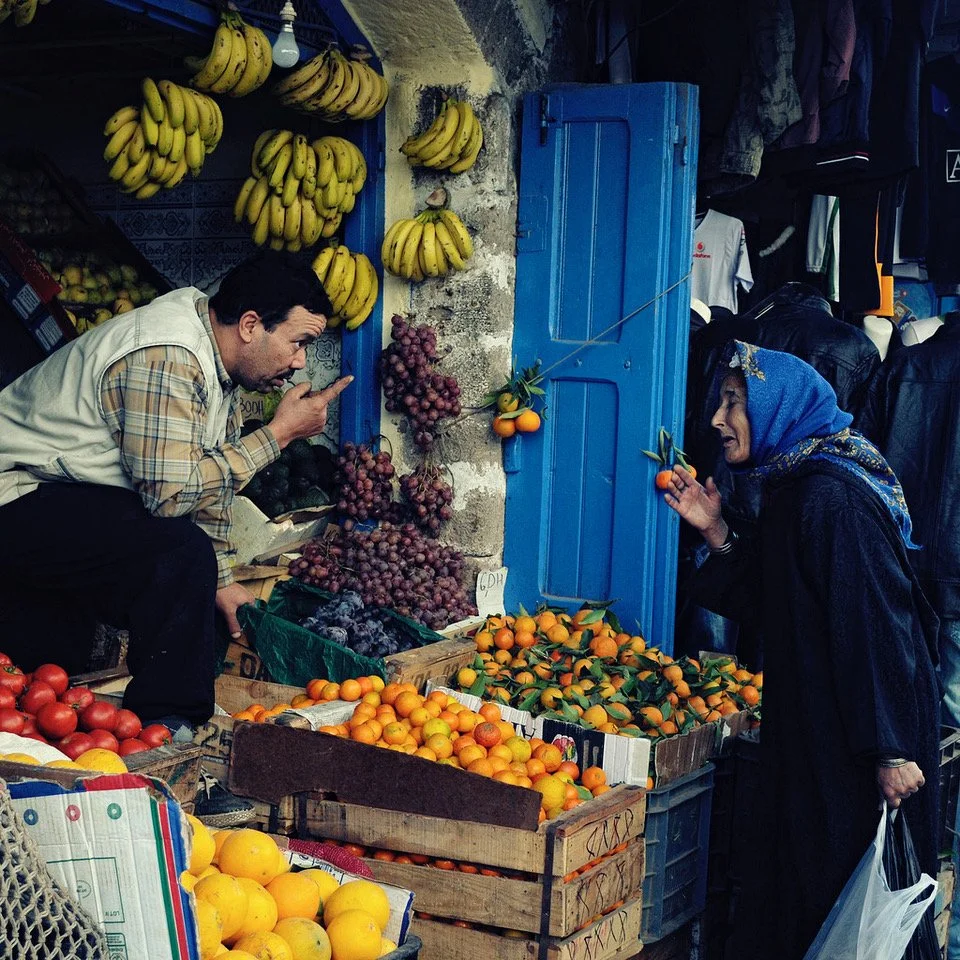
Shopping: Bargaining is part of the culture, as you will quickly learn on your first visit to the souk, or market. While negotiating is expected, be sure to stay respectful during the interaction.
Check out our 5 Tips for Haggling at a Souk in Morocco.
Walking around: Even though you may be surrounded by gorgeous scenes and vibrant colors when walking around Marrakech, be mindful before taking photos. Always ask someone before you take their portrait—this goes for anywhere you travel.
When in public, note that public displays of affection are frowned upon. For LGBTQIA+ couples traveling to Morocco, be advised that homosexuality is considered illegal in the country. Though its enforcement may manifest differently across different regions and beliefs, it is not recommended to show any displays of affection.
-
Although cash and credit cards may be accepted at larger establishments, carrying cash is highly recommended. Many smaller businesses only accept cash as a form of payment.

-
For solo travelers, we recommend doing your research and planning ahead of time to ensure a safe and comfortable trip while exploring all that Morocco has to offer.
In specific reference to solo female travelers, women must take precautions to avoid unnecessary risks, like not walking alone at night, finding a trusted taxi, etc. Many report street harassment, scams and petty crimes, like pickpocketing. When walking around the medina, though some street harassment occurs, wearing more modest clothing may reduce unwanted attention. In Morocco, like anywhere, trust your instincts, be aware and prepare for the day.
If you are a woman traveler interested in going to Morocco but are a bit apprehensive about going solo, there are many group trips available, where you can have a guided experience through the country while making friends for life. You can book single-day group trips or a multi-day adventure.
-
LGBTQIA+ travelers have long regarded Morocco as a coveted destination. Marrakech is a friendly and vibrant city with a history of LGBTQIA+ travelers and influence. There are many queer-friendly hotels, accommodations and bars around the city, which have created a buzzing community of expats and travelers. However, it is still important to note that same-sex marriage is not legal in the country, though the enforcement and strictness of this vary according to colloquial experiences. Despite this, it is advised to avoid showing public displays of affection.
-
Marrakech is considered a generally safe destination for Black travelers. Still, some Black travelers have shared stories of unwanted attention or prejudiced interactions due to stereotypes. Black women, especially, may face catcalling or street harassment. There are some old prejudices in Moroccan society, and those spending longer periods of time in the country or outside of the tourist centers may encounter experiences based on this. Morocco is an incredibly diverse country, rich in history and with many cultures. It is a place where tourists are welcomed, and many Black travelers have shared positive experiences of their time exploring. We recommend checking out some travel blogs that detail personal experiences of Black travelers if you are considering planning a trip.
-
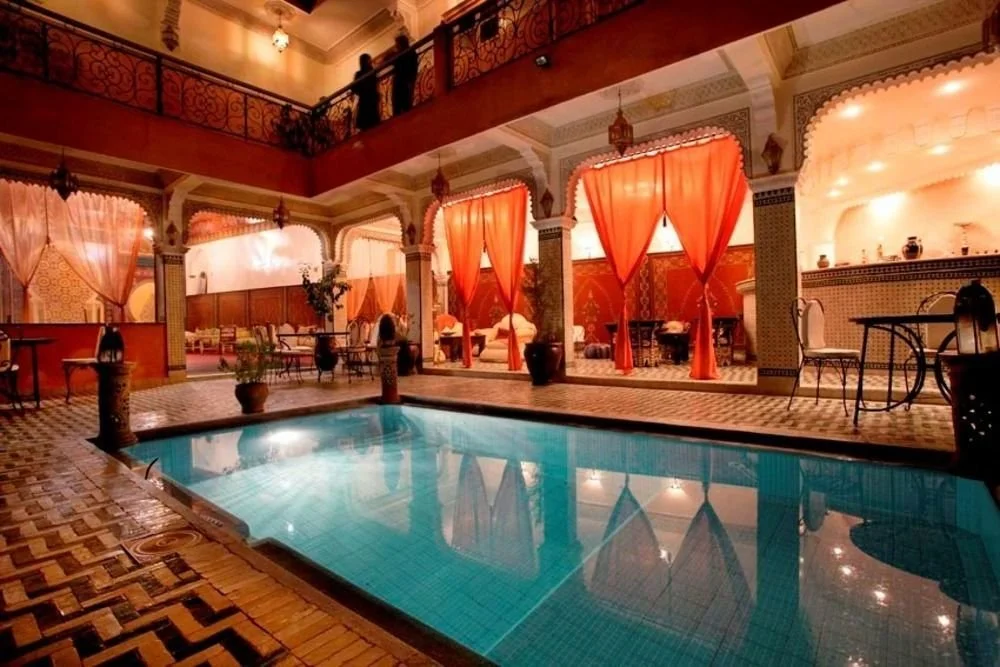
Morocco is working to improve its accessibility and update its infrastructure so that tourists of any ability can experience and enjoy the country. When navigating the old town and the medina, much of the infrastructure is currently not updated to be accessible. With high curbs, uneven walkways and very narrow streets, it is not always the easiest to get around for those with physical disabilities. Though some infrastructure is very out-of-date, Marrakech is still regarded by many as an enjoyable destination for those exploring with physical disabilities. There are many places, accommodations and attractions in Marrakech with wheelchair-accessible infrastructure, and more are being updated to accommodate. Handioasis is one of these accommodations, found in Marrakech. The hotel is equipped with fully accessible rooms and a transfer arm that makes pool visits even easier for those in wheelchairs. It also offers excursions into the desert, with overnight options for the more adventurous travelers.