
Political Climate

A mix of modern ideals and traditional values heavily influences Bali’s political climate. Historically, the land has always had a distinct cultural identity from the rest of Indonesia due to its religious focus on Hinduism, compared to the majority of Islam in the country. Recent years have brought economic development and an influx of tourism to Bali, which has presented both opportunities and challenges for its political landscape.

Tourists walking next to a sign advertising the Head of State and Government 2022 meeting in Nusa Dua. Free Malaysia Today. CC BY 4.0.

Like the majority of Indonesia, the dominant party is the Golkar Party, which has strong ties to the military and business interests and focuses on economic development, infrastructure and tourism promotion. However, the Indonesian Democratic Party of Struggle has begun to gather Balinese support through its populist approach and appeal to the people. 

Within this political landscape, there has been a growing awareness of social and environmental issues across the Balinese population. Concerns about overdevelopment, environmental harms and the preservation of Balinese culture have become more prevalent in political discussions as citizens call for more inclusive and environmentally friendly policies.

By engaging with Balinese culture and supporting local communities, travelers can protect diminishing traditions and revive the passion of the city. As long as guests are kind and self-aware, they should have minimal problems navigating the region.
Political Climate

As with any destination, it is important to consider the political climate when planning a trip to Tokyo, Japan. Here are a few key issues to be aware of.

First and foremost, Japan has a long history of conservative politics and has been dominated by the Liberal Democratic Party (LDP) for much of its post-World War II history. The LDP is a center-right party that has been criticized for its close ties to big business and for its conservative social policies.

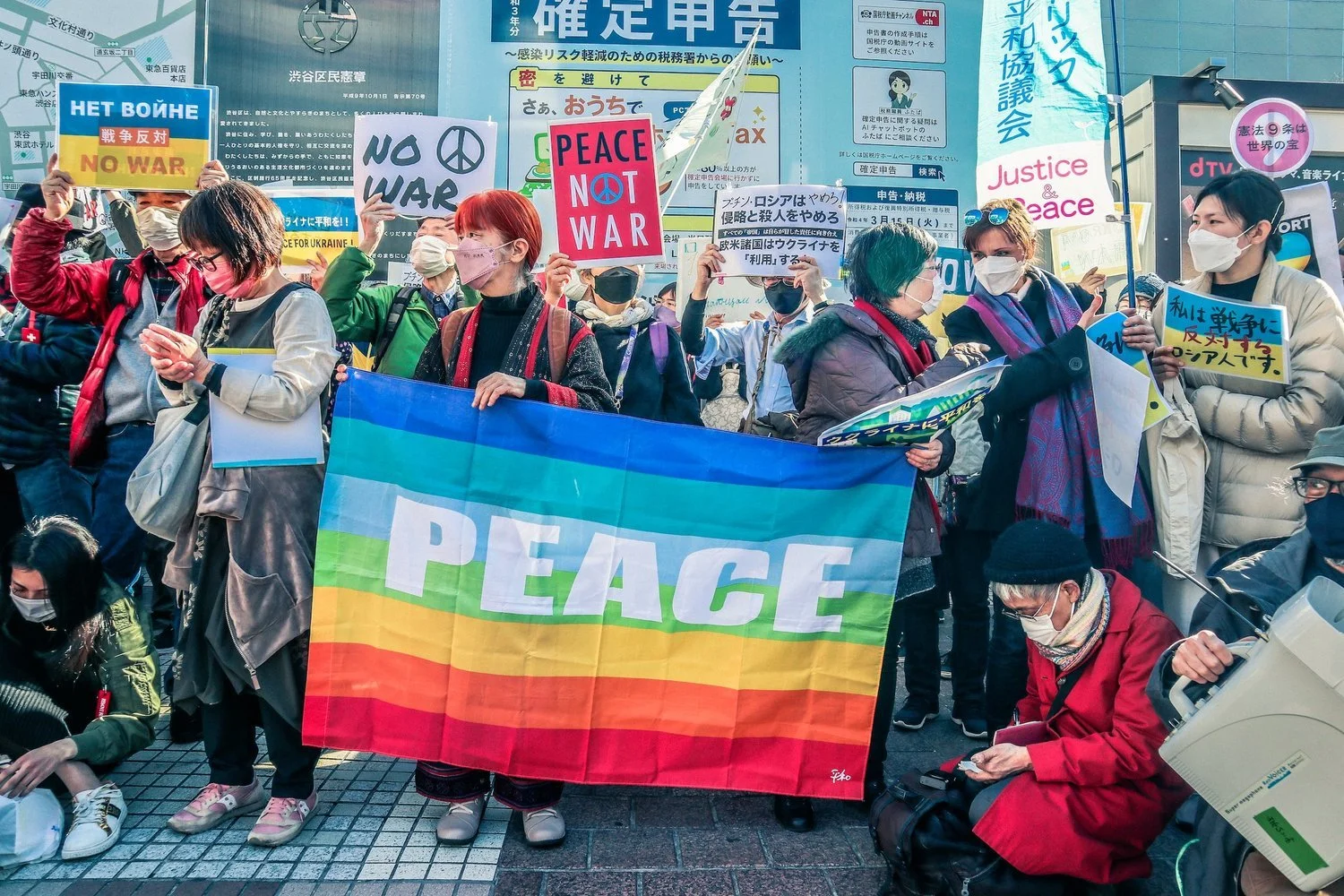
In recent years, there has been a growing progressive movement in Japan, with the rise of left-wing political parties and grassroots social movements. Income inequality, environmental protection, and LGBTQ+ rights have become more prominent in the public discourse.

One major issue in Japan that has drawn criticism from progressives is the country's immigration policy. Japan has stringent immigration laws and has been criticized for its treatment of refugees and asylum seekers. There have also been concerns about exploiting foreign workers in industries such as agriculture and construction.

In terms of law enforcement, there is a growing distrust of the police force in Japan due to incidents of police brutality and corruption. However, it is important to note that Japan has a relatively low crime rate and is generally considered safe for travelers.

Respecting local customs and traditions while being aware of social and political issues, and supporting local businesses and organizations that align with your values, can empower you as a traveler.

Back