Food and Drink

Mexico City is a culinary Disney World with endless options to choose from. Not only is the city known for its Michelin-starred restaurants such as Quintonil, which won third place on the World’s 50 Best Restaurants list, but it is also known for its delicious street food. Whether it’s a fine dining experience or a taco on the street, your palate will never be bored in Mexico City. 
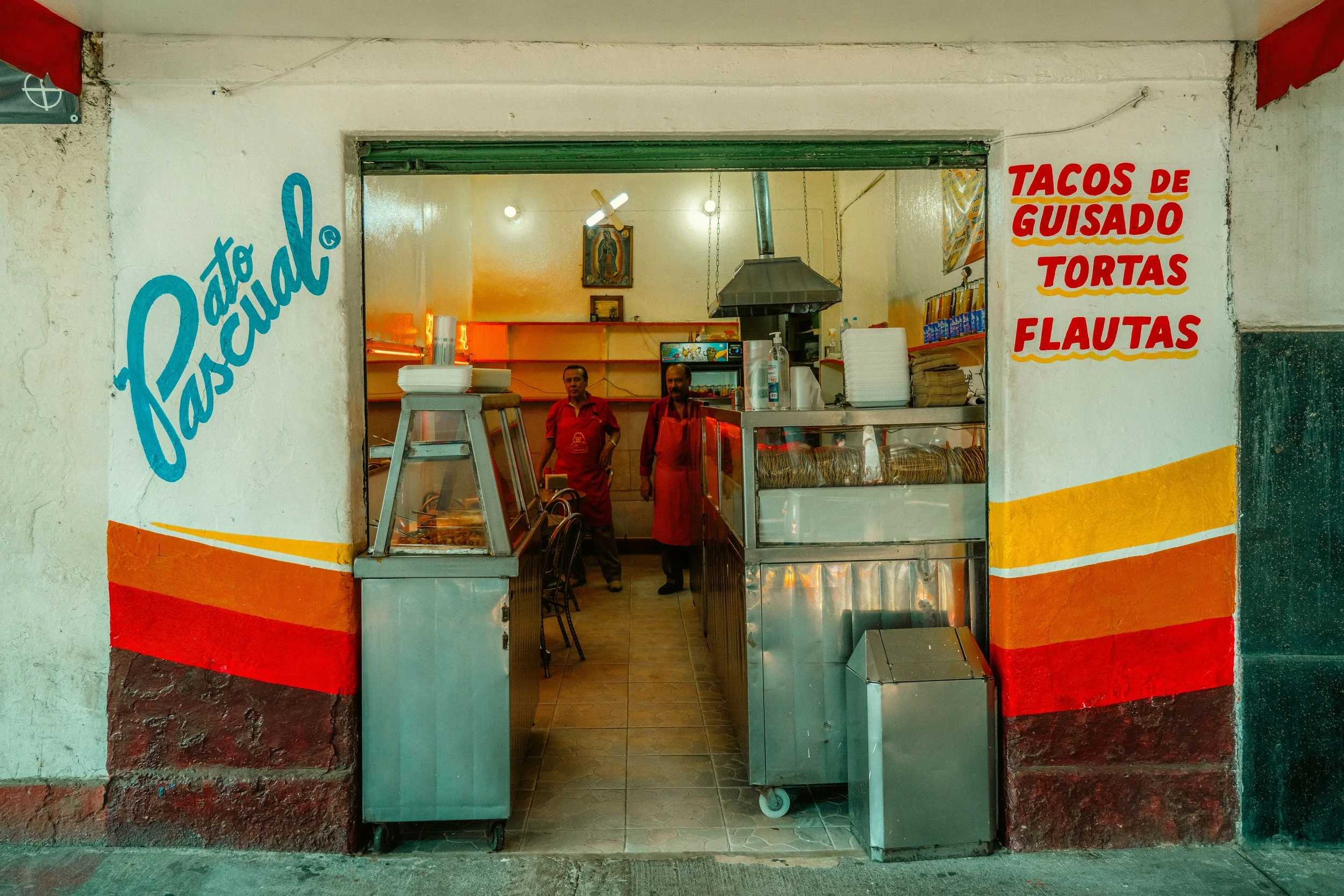
Taco spot in CDMX. Matthew Stephenson. CC BY-NC-SA 2.0. 

Local Tacos and Street Food:

CDMX is known for having some of the best taquerias in the world. Here, you can expect to taste some of the best fresh tortillas, homemade salsa verde, and, of course, tasty carnitas. While there are many taquerias around the city, we'll list some of the most popular spots for both locals and tourists:

  • El Remolkito del Sirloin: They are best known for their rotisserie-style tacos and amazing micheladas (beer-based drinks). Make sure to arrive with time to spare, as the wait is known to be quite long. You’ll find multiple locations, such as in La Roma and Pedregal. 

  • Tacos La Once Mil: Although it’s a bit more expensive than your average taco stand, the quality makes it worthwhile. They use meats like ribeye, picanha, and sirloin, cooked on the trompo, blending casual and fine dining. This restaurant is located in the luxurious Lomas de Chapultepec. Please note that you may need to wait in line if you visit during rush hour, as this is a popular spot in the city. 

  • El Califa de Leon: This taquería is best known for its gaonera taco, which features thin slices of beef loin served on handmade tortillas. The menu also offers bistec, rib, and pork chop tacos. In 2024, El Califa de León became the first taquería in Mexico to earn a Michelin star. This stand is situated near the city’s historical center, making it the perfect spot after a long day of museum visits. 

  • Tacos Selene: This is the go-to late-night spot in Polanco. The al pastor is seasoned just right. Enjoy it in a taco, or try other al pastor dishes such as torta (soft roll sandwich), a volcán (crunchy tortilla with melted cheese), or a gringa (flour-tortilla quesadilla style)
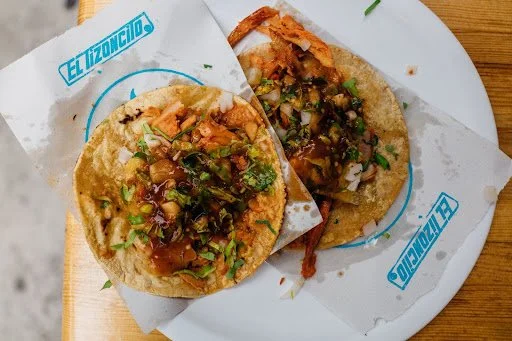
Tacos Al Pastor from el Tizoncito. Daniel Roy. C BY-NC-SA 2.0. 

Recommended Local Cafes and Panaderias :

Mexico City boasts some of the finest pan dulce (Mexican pastries) you could ever imagine. One of their most famous Pastries and Coffee shops, “Panadería Rosetta,” located in the heart of La Roma, is a classic among locals and has recently gone viral on TikTok for their delicious concha de chocolate and café con leche. We recommend trying their guava and cardamom pastries. This bakery is also situated right next to its savory counterpart, “Rosetta”, a Michelin-star Mexican-Italian fusion restaurant, which is definitely worth trying. 

Another excellent option for coffee lovers is Tierra Garat, a Mexican coffee franchise that specializes in endemic coffee and cacao. If you go, you must try their coffee with a cacao drink named criollo, a Mexican take on the classic mocha.

  • Other local cafes and panaderías to try: 

    • Niddo Cafe Polanco: Incredible pastries, diverse coffee roasts, and mellow ambience.

    • El Moro, Churrería: The best churros and hot chocolate you can find in Mexico City.

    • Amïn: They have amazing cinnamon rolls and pastries, as well as other non-caffeinated drinks and a brunch menu.

Recommended restaurants:

If you're craving some delicious Mexican food, Azul Condesa is definitely worth checking out. Their signature cocktails and homemade tortillas are incredible. Meal prices range from US$7 to US$23. Another must-visit is the San Angel Inn Restaurant, as it represents Mexico City like no other. It’s a very traditional restaurant situated in a Hacienda that will delight your palate and eyes with excellent food and gorgeous views. Rosa Negra is a great option if you are looking for a delicious restaurant with an incredibly lively ambiance. Their empanadas and filet tacos are simply amazing. Lastly, if you are visiting Mexico City, you can’t miss trying out El Cardenal, a traditional Mexican restaurant best known for its delicious soups and its famous Chile Relleno.

Even though Mexico City is a fantastic place to eat Mexican food to your heart’s desire, it also has some of the most delicious cuisines from all around the world. For example, Rosetta, located right by the famous panaderia, is an Italian-Mexican fusion restaurant that is based on the “Mexican Ingredient”. It has a changing menu which depends on the ingredients that are in season and honors Mexico's vast array of regional produce. Contramar is another favorite as it blends Mexican cooking with seafood, adding a twist to the traditional cuisine. Fresh ingredients and a variety of cuisines make the menu at this site appealing to both locals and tourists. If you’re looking for a more casual spot, Cancino is a tremendous and trendy pizzeria with a variety of options. It is also open until 12 am in case of any late-night cravings. 

  • If you plan on enjoying street food, which can be an amazing culinary experience, there are a few things to watch for. Choose stalls that are busy with locals, use hygienic food practices, and avoid those that appear to be left out in the sun. 

  • When in CDMX, avoid drinking tap water. Stick to bottled water for drinking and brushing your teeth. 
Food and Drink

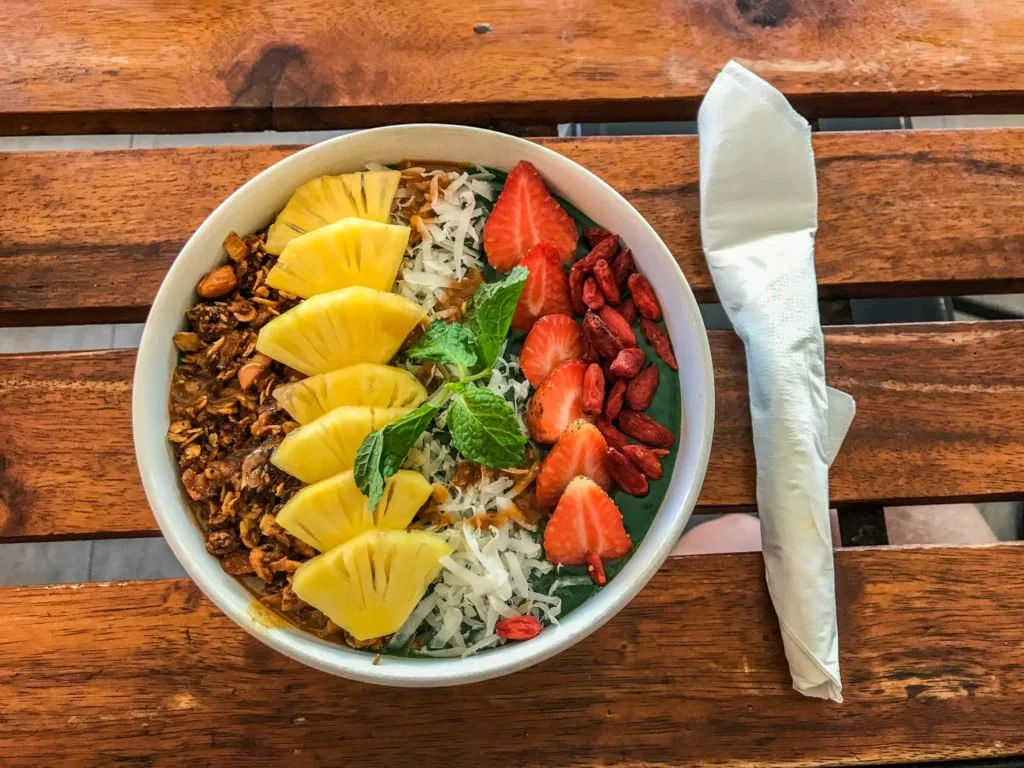
Food is an important part of Bali’s culture, and a visit to the region is incomplete without a taste of local nasi goreng or a platter of nasi campur. Bali has everything, from trendy coffee shops offering smoothie bowls with your name written in slices of dragonfruit to humble street carts serving up 15k Indonesian Rupiah mie goreng. 

No matter what you are looking for, Bali has something for everyone in food and dining experiences. Here are some that you can’t miss when visiting Bali.

Local Cuisine and Popular Dishes

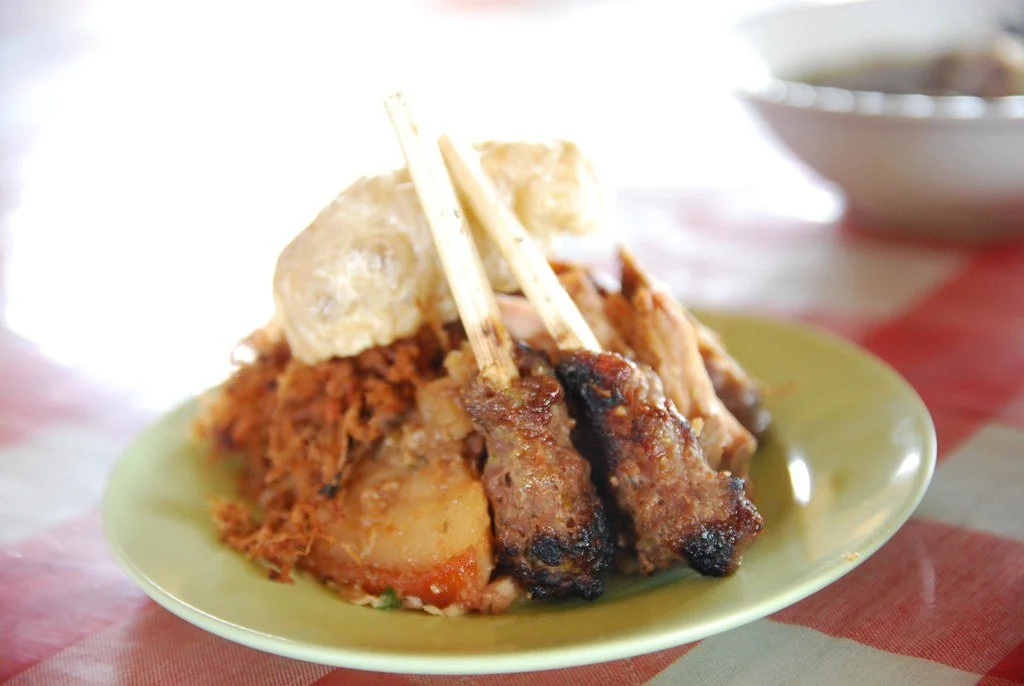
Satay Pork Belly. Alpha Lau. CC BY-NC-SA 2.0.

Locals and tourists alike crowd “warungs” in Bali for a quick and tasty feed. A local warung is a small business that serves daily meals, light snacks and bottled drinks. At your closest warung, you can find the meals that keep Bali going: nasi goreng, mie goreng, gado-gado,  satay, nasi campur and more. For a quick orientation, learning some Indonesian can be helpful when deciding what to order: goreng translates to “fried,” nasi to “rice,” ayam to “chicken,” campur to “mixed,” and mie to “noodle.”  

Nasi and mie Goreng are fried rice and noodles, respectively, typically served stirred up with vegetables, your choice of chicken or tempeh and a fried egg atop. Gado-gado consists of mixed vegetables and, often, tempeh served in a delicious peanut sauce — a vegetarian’s favorite when visiting Bali. Satay is a skewered grilled meat, which you may add on the side of another dish or enjoy with some nasi! Nasi campur varies from warung to warung, but it is a mixture of side dishes with rice, and sometimes, you may choose the sides from a buffet. These are just a handful of classic meals you’ll find and enjoy at a local warung. 

Warungs are one of the best ways to immerse yourself in delicious local cuisine and are likely to be the least expensive dining option when going out to eat, though some are more upscale and catered toward Western tourists.

For other specialized dishes in Bali, found in both local warungs and restaurants alike, the list could go on:  

  • Seafood is a popular menu item in the region, and is often caught fresh from the lengthy coasts of Bali. Ganesha Cafe is known for its lobster platters served right over the water of Jimbaran Bay.

  • Beef rendang, a slow-cooked spicy beef dish, is a traditional Indonesian food and often incorporated in many fusion and upscale restaurants. Try a fried beef rendang gyoza from Laggas in Uluwatu. 

  • If you’re hanging out on the beach, don’t miss out on a fresh coconut, Indonesia’s finest Bintang beer or an ear of grilled corn. 

Trending restaurants and cafes

Due to the high number of expats and tourists in Bali, trendy cafes and restaurants are abundant. Bali has endless unique restaurant experiences for brunch, a quick smoothie bowl or poolside dinner. For health-conscious travelers or nomads, wellness-oriented cafes are plentiful, especially near gyms and health centers. Throughout South and Central Bali, there is no shortage of food options.

A smoothie bowl from a cafe in Canggu. Commeuneenviedevoyage. CC BY-NC-ND 4.0.

Recommended restaurants and cafes:

There is a wide range of delicious restaurants to try in Bali, but here are a few recommendations.

  • Cantina Rooftop in Ubud fuses modern dishes and tradition from its location on the jungle roof overlooking the Pura Gunung Lebah temple.

  • Yuki, with locations in both Uluwatu and Canggu, offers delicious Japanese food. The restaurant adds a modern and local twist to traditional Japanese flavors, curating a dining experience that will bring you back for more. 

  • For a more local experience, visit Bebak Joni restaurant in Ubud to dine amidst a rice field that makes farm-to-table a reality.

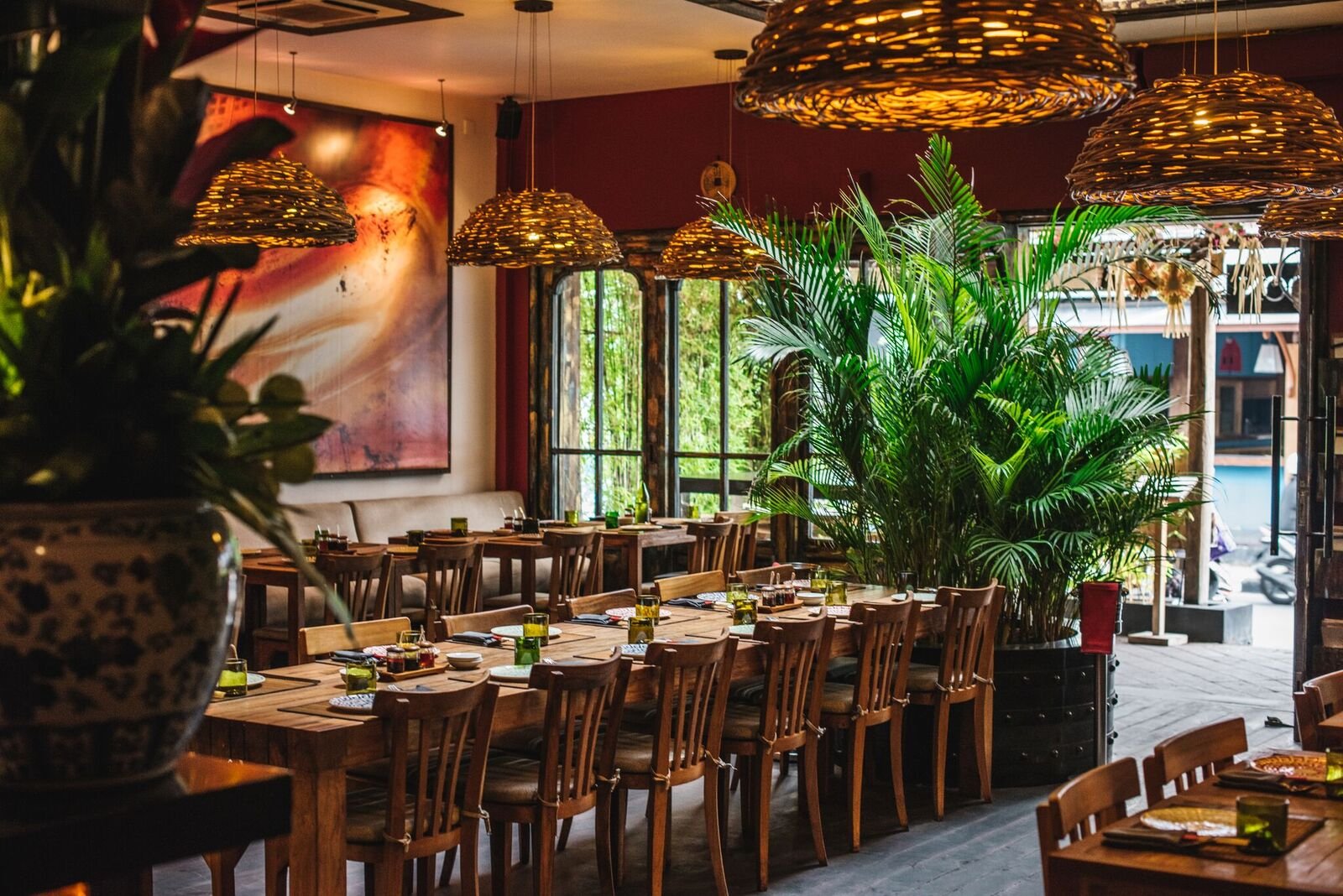
  • Temple by Ginger Moon in Seminyak pairs exotic cocktails with authentic food from a modern setting and features weekly entertainment from local Balinese performers.

  • After a day of diving and snorkeling at Lipah Beach, enjoy a meal to refuel at Pondok Vienna Beach Restaurant in Amed. This beachside restaurant is the perfect place to post up. With its own pool, bar and delicious food, this is the place to be on one of the few sandy beaches in rocky Amed. 

Ginger Moon Restaurant in Seminyak. Ginger Moon Bali. CC0.

Unique food and drink experiences to try:

There are a number of unique Balinese dining experiences that are sure to elevate your experience of culture.

  • Tebasari emphasizes Bali culture through traditional performances by fire dancers, local musicians and exotic performers to provide entertainment while you enjoy an authentic Balinese meal.

  • Merlin’s in Ubud creates a magical experience through immersive performances and an expansive menu that combines curiosity of the unknown with classic Balinese culture.

  • Enjoy your food from a floating tray in a private pool at Kekab Restaurant, a beachside restaurant that specializes in fresh seafood.

Dietary Restrictions and Preferences

For anyone worried about restaurants accommodating their dietary preferences, know that many restaurants are willing to cater to your needs. Some, such as d’Alas Warung, pride themselves on vegan dishes and all-natural ingredients.  

An aside: The real deal on “Bali Belly”

Often when discussing food and dining in Bali, it cannot be without the conversation of the dreaded “Bali Belly.” “Bali Belly” does not refer to a specific illness or bacteria despite popular belief, rather it is just a colloquial term for an upset traveler’s stomach (which may happen anywhere, not just in Bali). Some recommend staying away from certain foods to avoid it, but some people can eat everything without an issue, or others “stay away” from certain things and end up doubly sick. An upset stomach can be caused by an introduction to completely new bacteria in foods, as you have not grown up eating in this area, not just food that has gone “off.”

Some ways to avoid an upset stomach:

- Drinking bottled water and avoiding the tap (Yes, even for brushing your teeth)

- Avoiding undercooked foods or meats

- Use hygienic eating practices

- Wash your hands before eating

- Choose establishments with hygienic cooking practices 

If you have gotten sick, make sure to stay hydrated. Before you travel, reach out to your doctor to bring over some medication like electrolytes, gastric relief or pain relief medication that may be useful if you end up sick. Additionally, some people take pro-biotics to support their gut bacteria before travel.

Food and Drink

Here Are Some Must-Try Foods And Unique Dining Experiences To Add To Your List.

Food and Drink:

Tokyo is known for its incredible food scene, from traditional Japanese cuisine to international fusion dishes.

Local Cuisine And Popular Dishes:

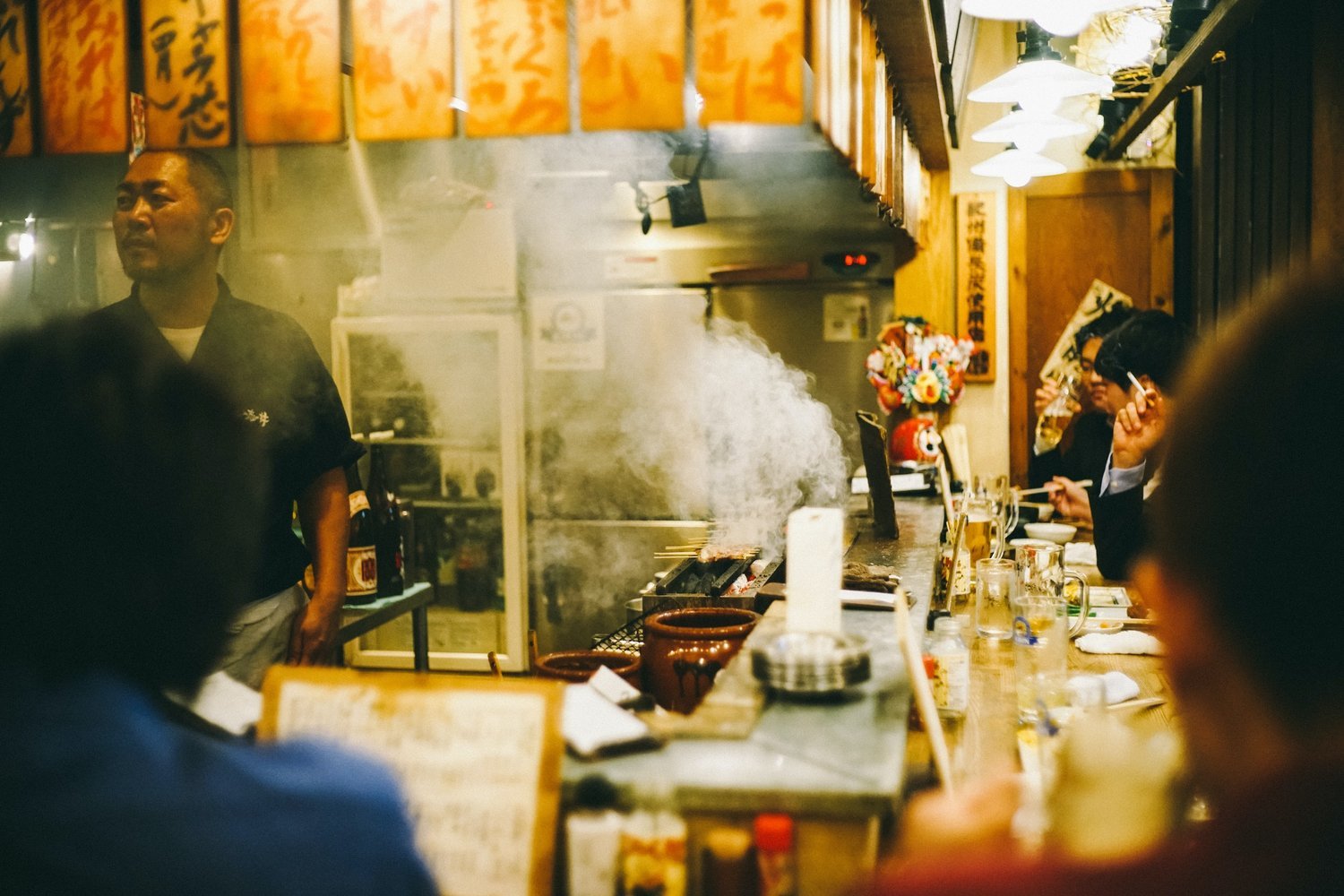
Sushi is one of Tokyo's most famous dishes, and you can find it everywhere from high-end restaurants to casual sushi bars, or even in a subway station! Try the omakase (chef's choice) menu at Sushi Saito in Roppongi or the tuna auction fresh sushi at Sushi Dai in Tsukiji Fish Market. Ramen is another popular dish in Tokyo, with various regional styles to try. Head to Menya Musashi in Shinjuku for a delicious bowl of tsukemen (dipping noodles) or Ichiran Ramen in Shibuya for a customizable bowl of tonkotsu ramen. For a unique Japanese breakfast experience, try tamagoyaki (sweet omelet) and natto (fermented soybeans) at a local izakaya (Japanese pub) or coffee shop.

Recommended Local Restaurants Or Cafes:

Tokyo has countless amazing restaurants and cafes to try, but here are a few recommendations:

  • Yakitori Marukin in Shinjuku for delicious grilled chicken skewers and an extensive sake selection.

  • Maisen in Omotesando for crispy tonkatsu (breaded pork cutlet) and homemade miso soup.

  • Tsukiji Market in Chuo for fresh seafood and sushi from local vendors.

Unique Food And Drink Experiences To Try:

If you're looking for a unique dining experience in Tokyo, try one of these:

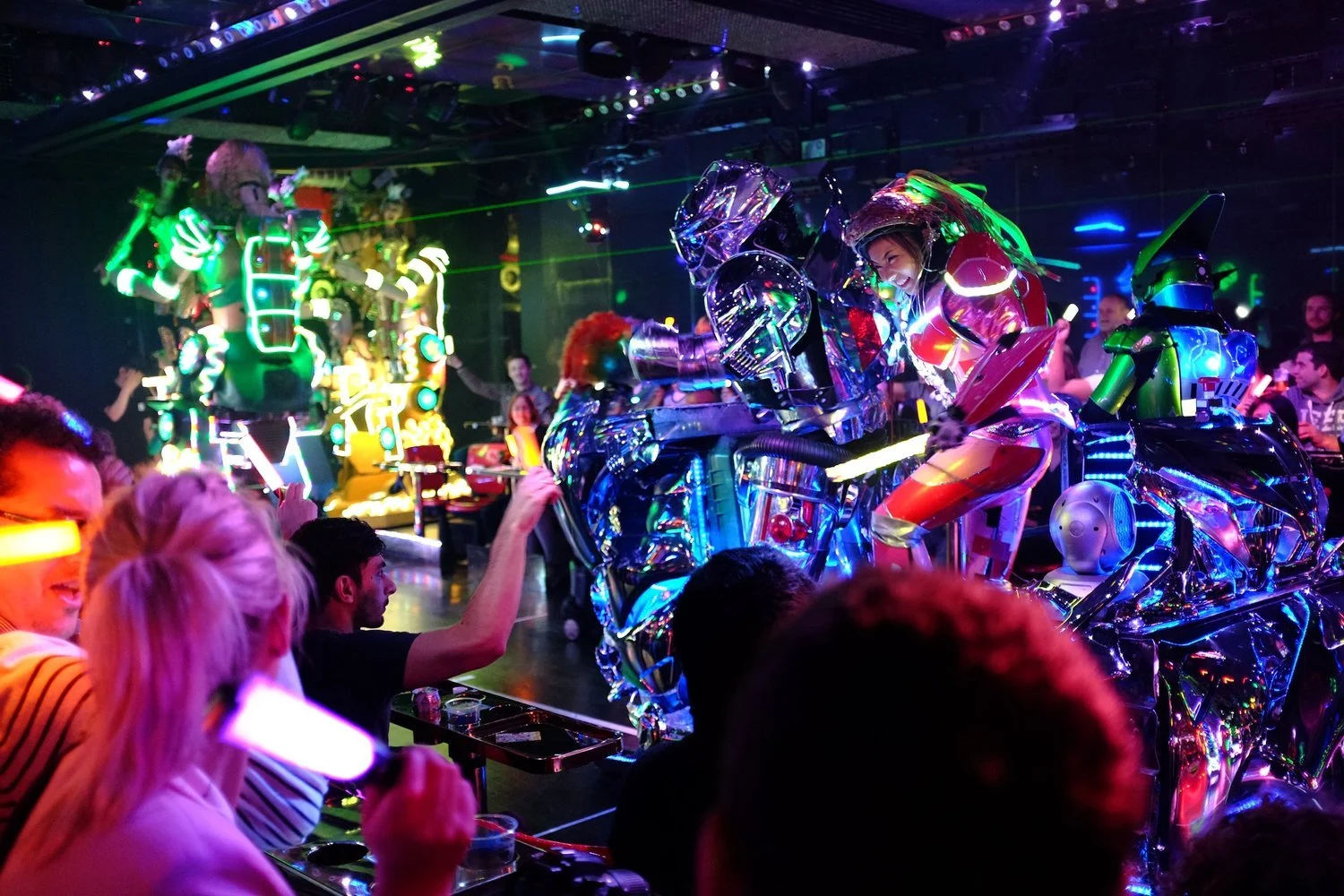
  • Robot Restaurant in Shinjuku for a wild robot-themed dinner show.

  • Ninja Akasaka in Akasaka for a ninja-themed dinner and magic show.

  • Kawaii Monster Cafe in Harajuku for a colorful and quirky cafe experience.

Dietary Restrictions Or Preferences:

If you have dietary restrictions or preferences, Tokyo has plenty of options for you. Many restaurants offer vegetarian and vegan dishes, and some even specialize in it, such as T's Tantan in Tokyo Station for vegan ramen or Ain Soph Ripple in Shinjuku for vegan burgers and desserts.

Halal food options are also available in Tokyo, such as Gyumon in Shibuya for halal-certified yakiniku (Japanese BBQ) or Sumiyakiya in Shinjuku for halal-certified wagyu beef.

Insider Tip: Check out local food markets like Ameya Yokocho in Ueno or Depachika (food halls) in department stores for a wide variety of food options and local delicacies.

In Tokyo, food and drink are not just about nourishment, it's also a reflection of the city's culture and history. By exploring the local food scene, you can truly immerse yourself in the heart of Tokyo.

Back