
Nature is an integral part of Bali’s culture.
Read MorePolitical Climate
A mix of modern ideals and traditional values heavily influences Bali’s political climate. Historically, the land has always had a distinct cultural identity from the rest of Indonesia due to its religious focus on Hinduism, compared to the majority of Islam in the country. Recent years have brought economic development and an influx of tourism to Bali, which has presented both opportunities and challenges for its political landscape.

Tourists walking next to a sign advertising the Head of State and Government 2022 meeting in Nusa Dua. Free Malaysia Today. CC BY 4.0.
Like the majority of Indonesia, the dominant party is the Golkar Party, which has strong ties to the military and business interests and focuses on economic development, infrastructure and tourism promotion. However, the Indonesian Democratic Party of Struggle has begun to gather Balinese support through its populist approach and appeal to the people.
Within this political landscape, there has been a growing awareness of social and environmental issues across the Balinese population. Concerns about overdevelopment, environmental harms and the preservation of Balinese culture have become more prevalent in political discussions as citizens call for more inclusive and environmentally friendly policies.
By engaging with Balinese culture and supporting local communities, travelers can protect diminishing traditions and revive the passion of the city. As long as guests are kind and self-aware, they should have minimal problems navigating the region.
Bars and Nightlife
Aside from its gorgeous beaches and abundance of daytime activities, Bali is praised for its thriving nightlife culture and expanse of bars and clubs that flood the cities. Dance to classic Balinese music, taste-test traditional liquors or swap stories with locals over a cocktail. Regardless of what you choose, come ready to immerse yourself in a new world of pleasure.
Bars and Clubs
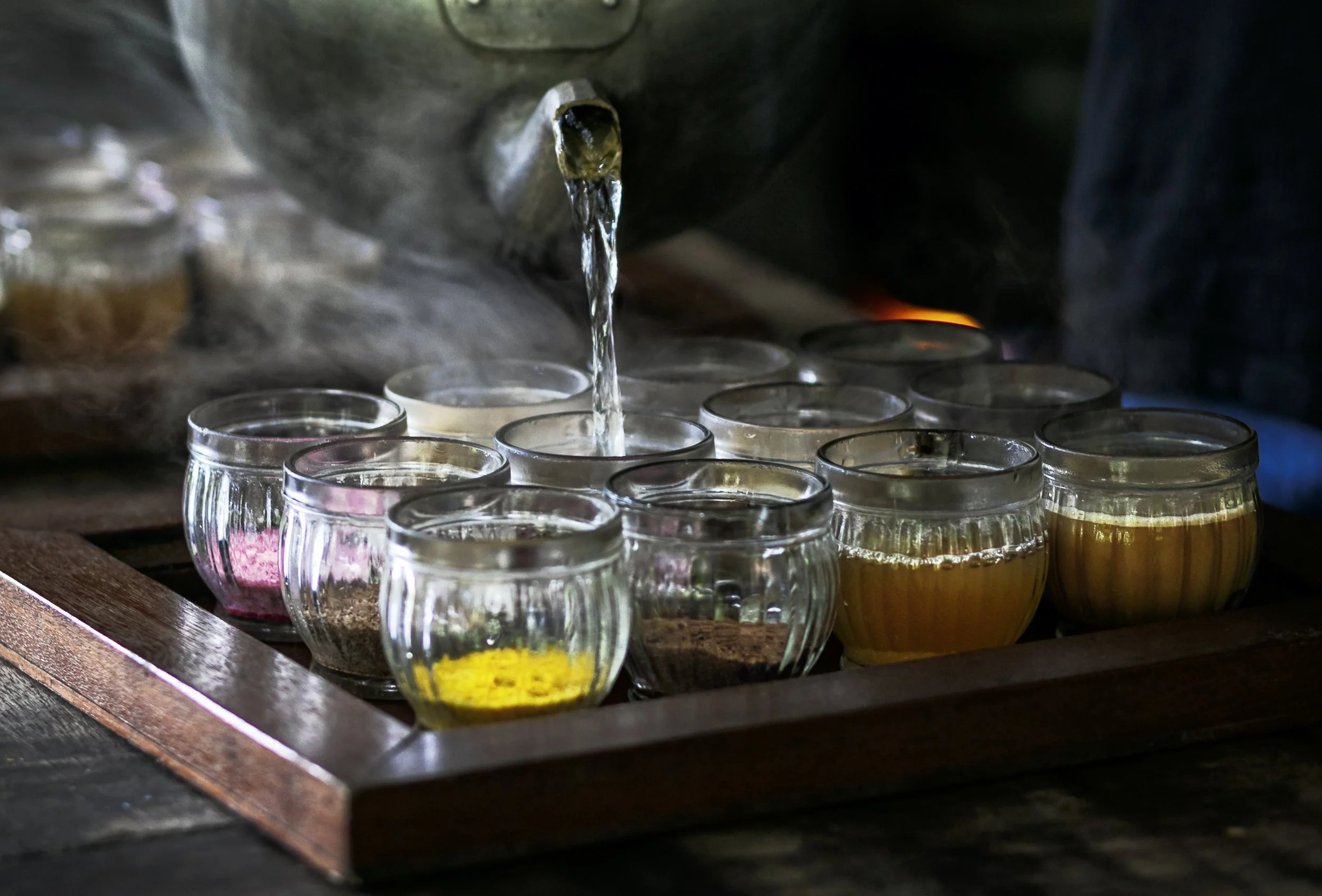
Balinese coffee and cocktails. Yiannis Chatzitheodorou. CC BY-NC SA.
A great way to meet Balinese citizens is through the local bar scene, which features an expanse of traditional cocktails and insight into the reality of life in Bali. Monkey Forest Road in Ubud is home to many of these venues and is a must-see location for bar-hoppers. The Laughing Buddha serves their drinks with tapas and stories and invites travelers to connect with the culture and each other over conversation and cocktails.
The bar scene is lively past Ubud, and another great option is Rock Bar, near Uluwatu, which offers stunning sunset views and unique cocktails to enjoy with family and friends. Enjoy a drink from the spread of rock formations that tower over the Indian Ocean whilst enjoying live music and specialized appetizers.
For a more relaxed experience, visit Single Fin beach club to admire the talented surfers of Uluwatu. Food and drinks are served all day, making the location a perfect spot to enjoy with friends and people-watch.
For an amazing all-day beach club and restaurant in Canggu, check out La Brisa. With beautiful reclaimed wood architecture, this beach club has curated the perfect vibe to hang out all day or party all night. This eco-friendly venue is a great spot to enjoy the sunset or attend one of their many amazing events!
La Favela in Seminyak offers the perfect blend of international and local experience. Prioritizing tradition and culture over luxury and hospitality, La Favela ensures travelers get a true taste of Bali.
Nightlife

Dancer at Bali restaurant. Shankar. CC BY 2.0.
Alongside traditional bars and clubs, Bali is known for their all-day events that feature dancing and music from sunrise to sunset. Guests can indulge in these events at Savaya, an all-day club in Uluwatu situated on a cliff towering over the Indian Ocean. Stunning views and an array of cocktails greet guests, but the rotating calendar of visiting DJs and musicians is the prize of the location.
Live music is a large part of Balinese culture, and local bands are well-placed throughout various bars and restaurants. The Blue Door in Ubud is popular for hosting local music performances and dancing for guests to appreciate in-between cocktails.
The nightlife varies from town to town, but certain bars and clubs host themed nights or music events weekly. For example, every Tuesday night, Rolling Fork in Uluwatu hosts Latino night, with great music and dancing. You can always ask the hostel staff for advice on their favorite spots in town and recommendations for the day.
Insider Tips
Be aware of the dress code when bar-hopping around Bali — many places require smart attire and will deny entry to those not in accordance. Beach bars and cheaper locations may not have these same standards, but it is still important to be respectful of the venue’s wishes.
Something else to note is that many of these locations require entry fees, which vary based on season, guest and location. Entry can cost up to 200,000 rupiah (US$12) per person, so make sure to bring spending money on your visit.
Activities and Attractions
With its sparkling beaches and stunning wildlife, there is no shortage of experiences waiting to become memories in Bali.
Cultural Attractions
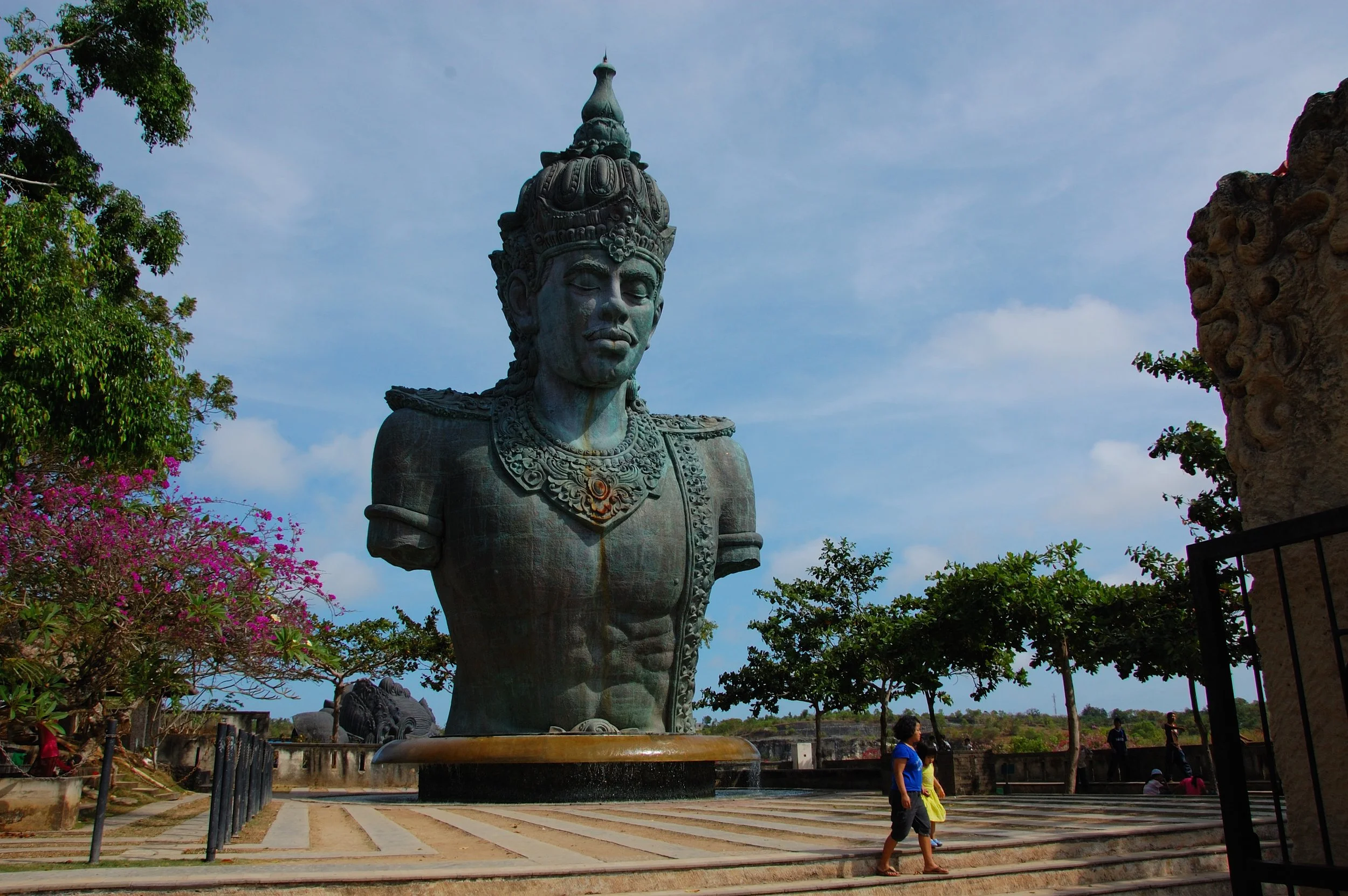
Garuda Wisnu Kencana. Rollan Budi. CC BY-SA 2.0.
Bali is made up of many temples, sculptures and galleries that offer brilliant depictions of Balinese culture and shouldn’t be missed when exploring the region. GWK Culture Park attempts to immerse guests in Balinese life through traditional music, Kecak Garuda Wisnu dancing and famous art pieces such as the Garuda Wisnu Kencana. The Batuan Village Temple offers insight into the religious significance of the region, while the Ubud Royal Palace focuses more on the area’s luxury.
Another culturally significant site in Bali is the Tirta Gangga Water Palace, located in Eastern Bali. This mix of blooming gardens, bubbling fountains, natural swimming pools and hand-carved stone sculptures makes the site a must-see when visiting Bali. The palace is close to natural springs, and the river and water running through this area are considered holy. This spiritual connection is emphasized through peaceful architecture and landscaping.
Outdoor Activities
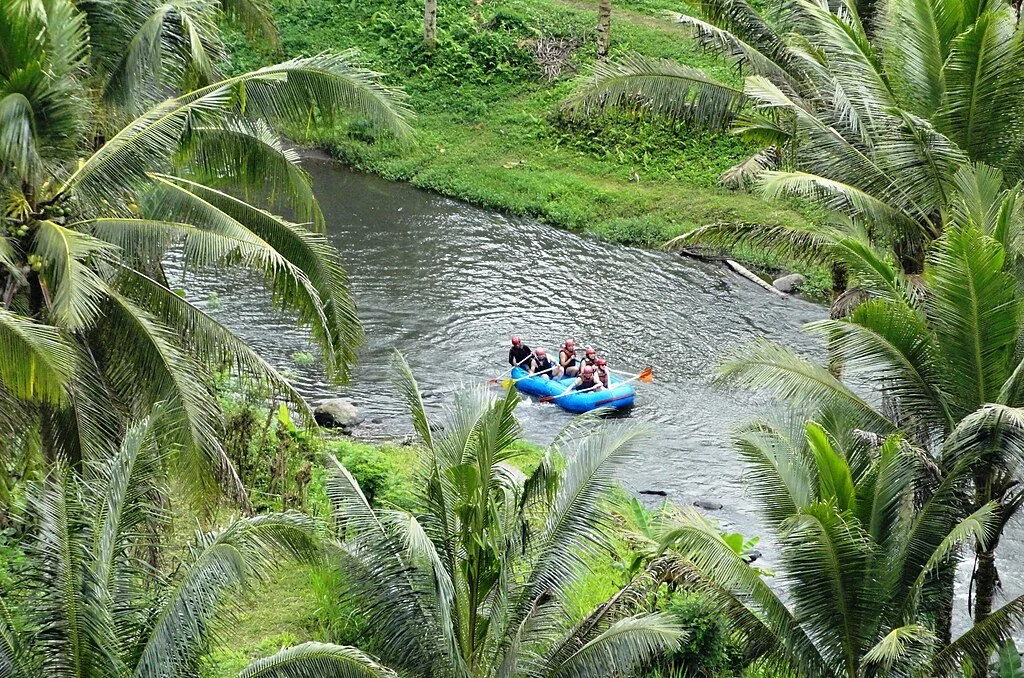
Rafting in the Ayung Valley River. Fabio Achilli. CC BY 2.0.
Between the sparkling waters of the coast and the thick, abundant jungles, the natural scene is unlike anywhere else in the world. Hiking to waterfalls, secret lakes and hidden oases is a great way to explore the region, as long as you use the proper guidance.
Another great way to have fun and explore the city is by Telaga Waja River Rafting, which features a two-and-a-half-hour excursion through the wilderness and local towns. Spanning from Mount Abang all the way to the Indian Ocean, the excursion offers beautiful scenery among the fast-moving waters.
Try your hand at surfing! People worldwide flock to Indonesia to experience some of the best waves. Lessons (200-300k rupiah or US$12-$18) are widely available at nearly any beach with waves, or rent a board (100k rupiah or US$6 per hour) and head out! Some of the most popular spots to learn to surf are in Canggu, Uluwatu and Kuta. For intermediate surfers in Canggu, check out the Old Man’s surf break, with the best rental from Old Man’s Surf Rental.
When first imagining Bali, one often thinks of the famed influencer-esque photos among grand waterfalls. With some only short walks or a longer trek in, waterfalls are abundant. Go early in the morning to avoid crowds, and bring a bathing suit if swimming is permitted. Kanto Lampo waterfall is a short journey from Ubud and just one of countless waterfalls to explore.
For those looking for more adventure, Alas Huram is a great place to visit for outdoor activities. Swing over the vast rice terraces, sky bike across a river or zipline through the jungle — whatever you decide, excitement is guaranteed.
Take the drive up to Lahangan Sweet, a gorgeous viewpoint of the jungle and the volcano Mount Agung. Walk to reach the viewpoint or hire a jeep. This is the perfect spot to enjoy a sunset in East Bali. It costs 30,000 rupiah (about US$1.8) to enter the area for the day, but it’s also a known camping spot. Stay overnight and catch epic views for both sunrise and sunset! You can rent a tent for about 185,000 rupiah (about US$11).
Recommended Excursions
Because there is so much natural life to explore, many travelers in Ubud enjoy ATV tours around the region. For those seeking hard-to-reach places or an adrenaline thrill, the ATVs can drive through varied terrain outside of the main drag, and local guides on the excursion will share much knowledge about the area.
In Ubud, consider a day tour to combine many of the most popular sights. Tours often will stop at the famous rice terrace, coffee plantation, Monkey Forest, waterfalls and temples. You can organize different tours or arrange one of your own with the help of a local travel agency or your accommodation.
If starting the morning atop an active volcano sounds like your cup of tea, do not miss hiking Mount Batur. A guided trek of the volcano leads you to a sunrise at the summit, overlooking the island. Just a short trip from Ubud, Mount Batur is located in the heart of Bali, making it a great way to spend an early morning.
Try a tour in Uluwatu for a great mix of culture and natural life. The ancient Hindu temple is open to guests and popular for its sunsets along the cliff, but the real gem is the nightly kecak fire dancers. In the temple, a guide is recommended, especially to explain the rich history of the region. Stay for the evening performance to experience and admire a piece of Balinese culture.
For those who love snorkeling, consider a day trip to the Blue Lagoon. Admire the amazing coral reefs right off the beach at this area near Padangbai.
For an adventure just outside of Bali, take the 20-minute ferry to Nusa Lembongan to experience snorkeling and diving like nowhere else in the world. Manta rays and dolphins frequent these waters, and a sight of these animals is unforgettable.
Unique Experiences
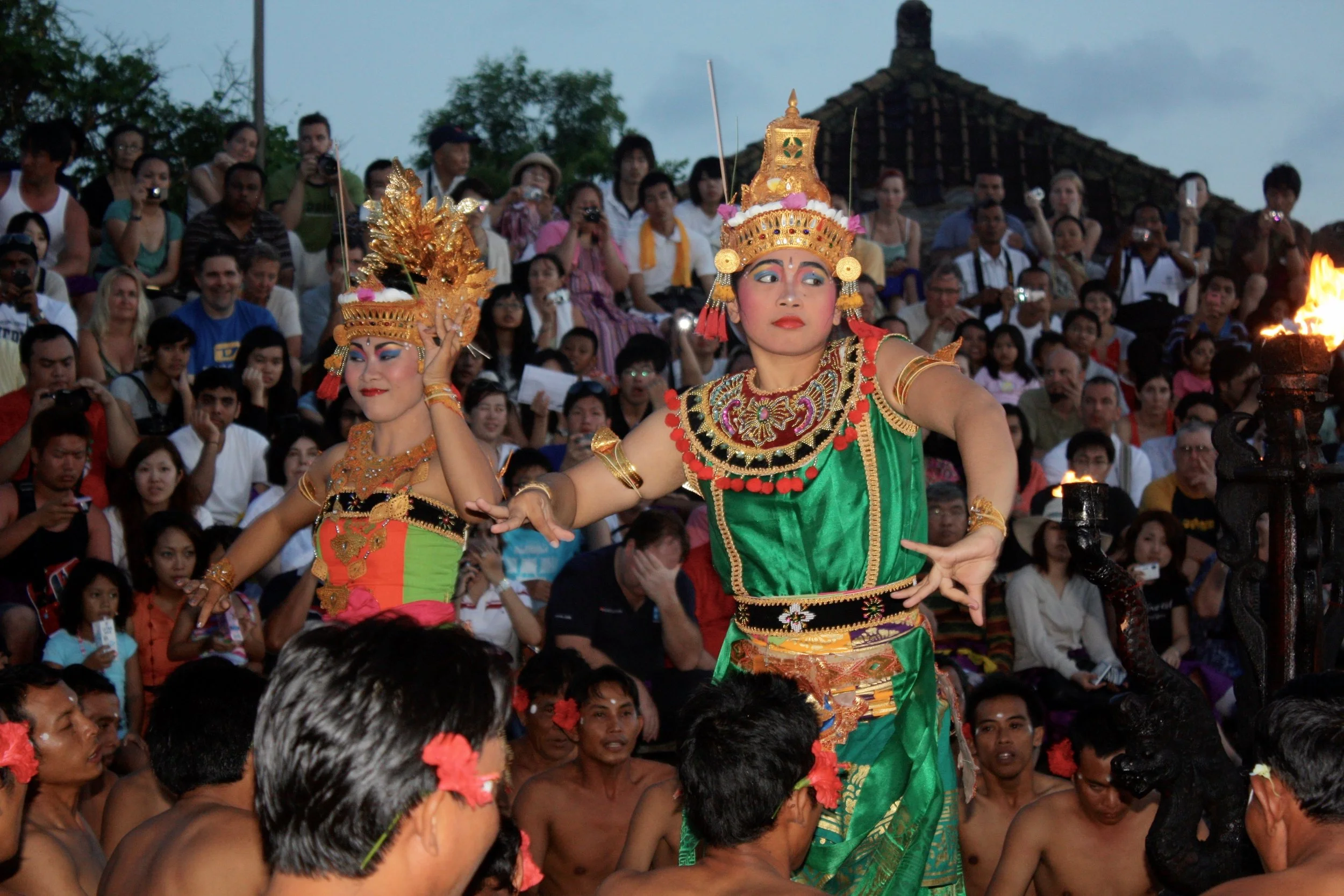
Traditional Balinese dancers. CC0.
Getting involved with the local community in Bali is undoubtedly the best way to experience the culture. Balinese citizens are very hospitable and many open their homes up to travelers to share their traditions. A few families teach traditional cooking from their own kitchens, offering personalized classes for travelers to experience culture on a more intimate level.
Community events and festivals provide a great opportunity to meet locals, so be on the lookout for regional festivities. The Spirit Festival is notorious for taking over the streets every March but it is nothing compared to the wild decorations of the Kuta Karnival in October. Traditional food and drinks vary depending on the season, and following the recommendations for the holiday can lead to a unique cultural experience.
Many people travel to Bali to experience their world-renowned spas and leading wellness treatments. This is evident in the plethora of gym hubs that resemble all-inclusive community centers and wellness spas. One of these spas to learn more about the practices of meditation, various wellness remedies and the importance of community is Amo in Canggu. Book in at their spa, bathhouse or cafe.
Food and Drink
Food is an important part of Bali’s culture, and a visit to the region is incomplete without a taste of local nasi goreng or a platter of nasi campur. Bali has everything, from trendy coffee shops offering smoothie bowls with your name written in slices of dragonfruit to humble street carts serving up 15k Indonesian Rupiah mie goreng.
No matter what you are looking for, Bali has something for everyone in food and dining experiences. Here are some that you can’t miss when visiting Bali.
Local Cuisine and Popular Dishes
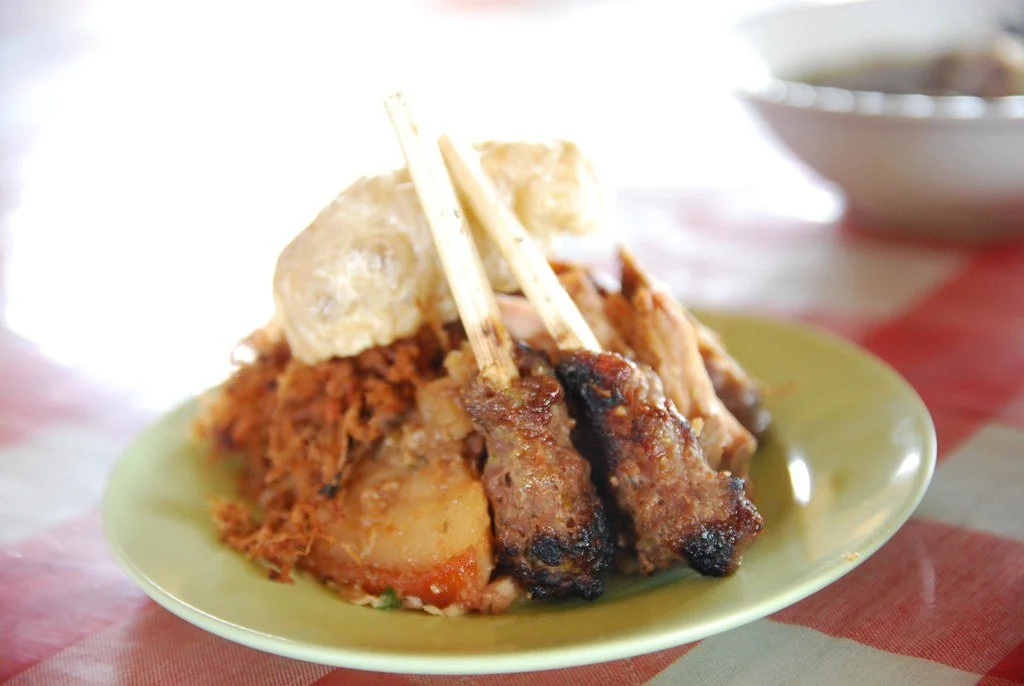
Satay Pork Belly. Alpha Lau. CC BY-NC-SA 2.0.
Locals and tourists alike crowd “warungs” in Bali for a quick and tasty feed. A local warung is a small business that serves daily meals, light snacks and bottled drinks. At your closest warung, you can find the meals that keep Bali going: nasi goreng, mie goreng, gado-gado, satay, nasi campur and more. For a quick orientation, learning some Indonesian can be helpful when deciding what to order: goreng translates to “fried,” nasi to “rice,” ayam to “chicken,” campur to “mixed,” and mie to “noodle.”
Nasi and mie Goreng are fried rice and noodles, respectively, typically served stirred up with vegetables, your choice of chicken or tempeh and a fried egg atop. Gado-gado consists of mixed vegetables and, often, tempeh served in a delicious peanut sauce — a vegetarian’s favorite when visiting Bali. Satay is a skewered grilled meat, which you may add on the side of another dish or enjoy with some nasi! Nasi campur varies from warung to warung, but it is a mixture of side dishes with rice, and sometimes, you may choose the sides from a buffet. These are just a handful of classic meals you’ll find and enjoy at a local warung.
Warungs are one of the best ways to immerse yourself in delicious local cuisine and are likely to be the least expensive dining option when going out to eat, though some are more upscale and catered toward Western tourists.
For other specialized dishes in Bali, found in both local warungs and restaurants alike, the list could go on:
Seafood is a popular menu item in the region, and is often caught fresh from the lengthy coasts of Bali. Ganesha Cafe is known for its lobster platters served right over the water of Jimbaran Bay.
Beef rendang, a slow-cooked spicy beef dish, is a traditional Indonesian food and often incorporated in many fusion and upscale restaurants. Try a fried beef rendang gyoza from Laggas in Uluwatu.
If you’re hanging out on the beach, don’t miss out on a fresh coconut, Indonesia’s finest Bintang beer or an ear of grilled corn.
Trending restaurants and cafes
Due to the high number of expats and tourists in Bali, trendy cafes and restaurants are abundant. Bali has endless unique restaurant experiences for brunch, a quick smoothie bowl or poolside dinner. For health-conscious travelers or nomads, wellness-oriented cafes are plentiful, especially near gyms and health centers. Throughout South and Central Bali, there is no shortage of food options.
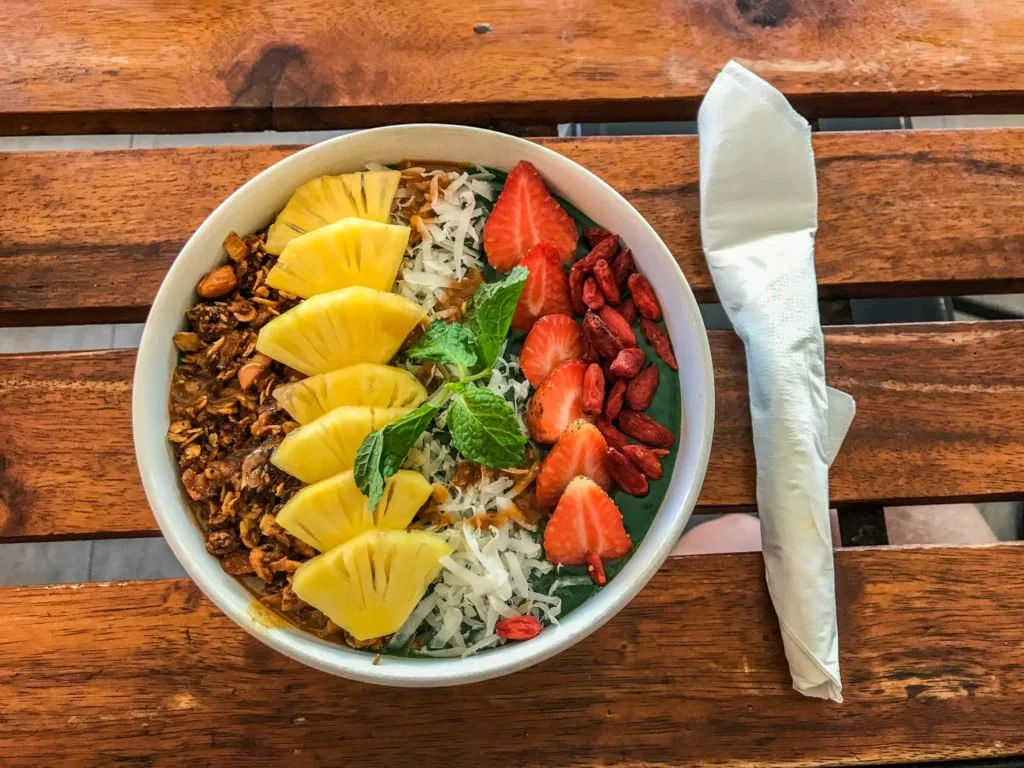
A smoothie bowl from a cafe in Canggu. Commeuneenviedevoyage. CC BY-NC-ND 4.0.
Recommended restaurants and cafes:
There is a wide range of delicious restaurants to try in Bali, but here are a few recommendations.
Cantina Rooftop in Ubud fuses modern dishes and tradition from its location on the jungle roof overlooking the Pura Gunung Lebah temple.
Yuki, with locations in both Uluwatu and Canggu, offers delicious Japanese food. The restaurant adds a modern and local twist to traditional Japanese flavors, curating a dining experience that will bring you back for more.
For a more local experience, visit Bebak Joni restaurant in Ubud to dine amidst a rice field that makes farm-to-table a reality.
Temple by Ginger Moon in Seminyak pairs exotic cocktails with authentic food from a modern setting and features weekly entertainment from local Balinese performers.
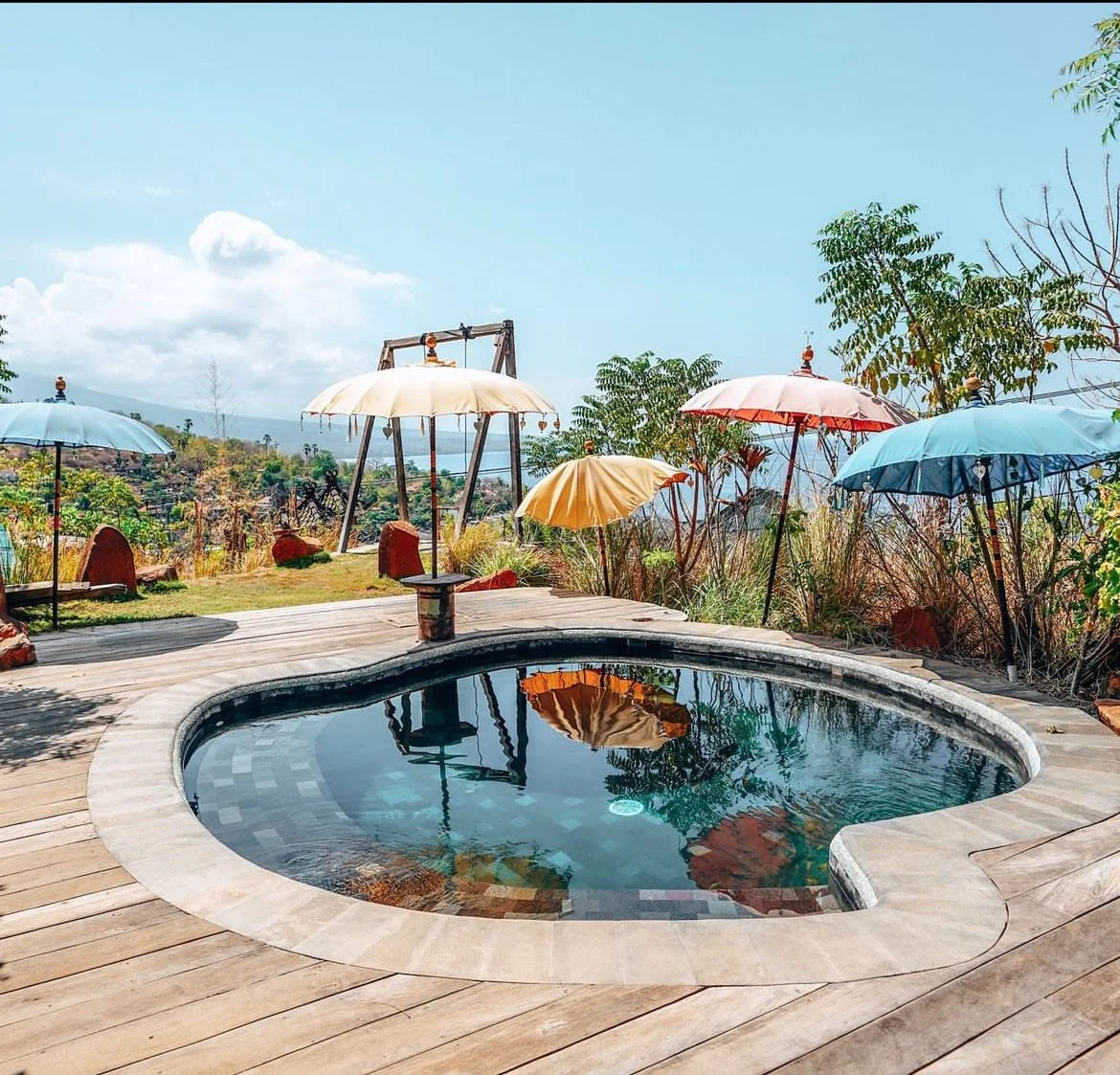
After a day of diving and snorkeling at Lipah Beach, enjoy a meal to refuel at Pondok Vienna Beach Restaurant in Amed. This beachside restaurant is the perfect place to post up. With its own pool, bar and delicious food, this is the place to be on one of the few sandy beaches in rocky Amed.
For a charming location with great food in Canggu, stop in at Penny Lane. Enjoy delicious food ranging from healthy offerings to loaded fries that will satisfy any craving.
In Amed, try some delicious health-conscious food at Rimba Cafe. Sit in their beautiful garden while enjoying a smoothie bowl just a quick walk away from the beach.
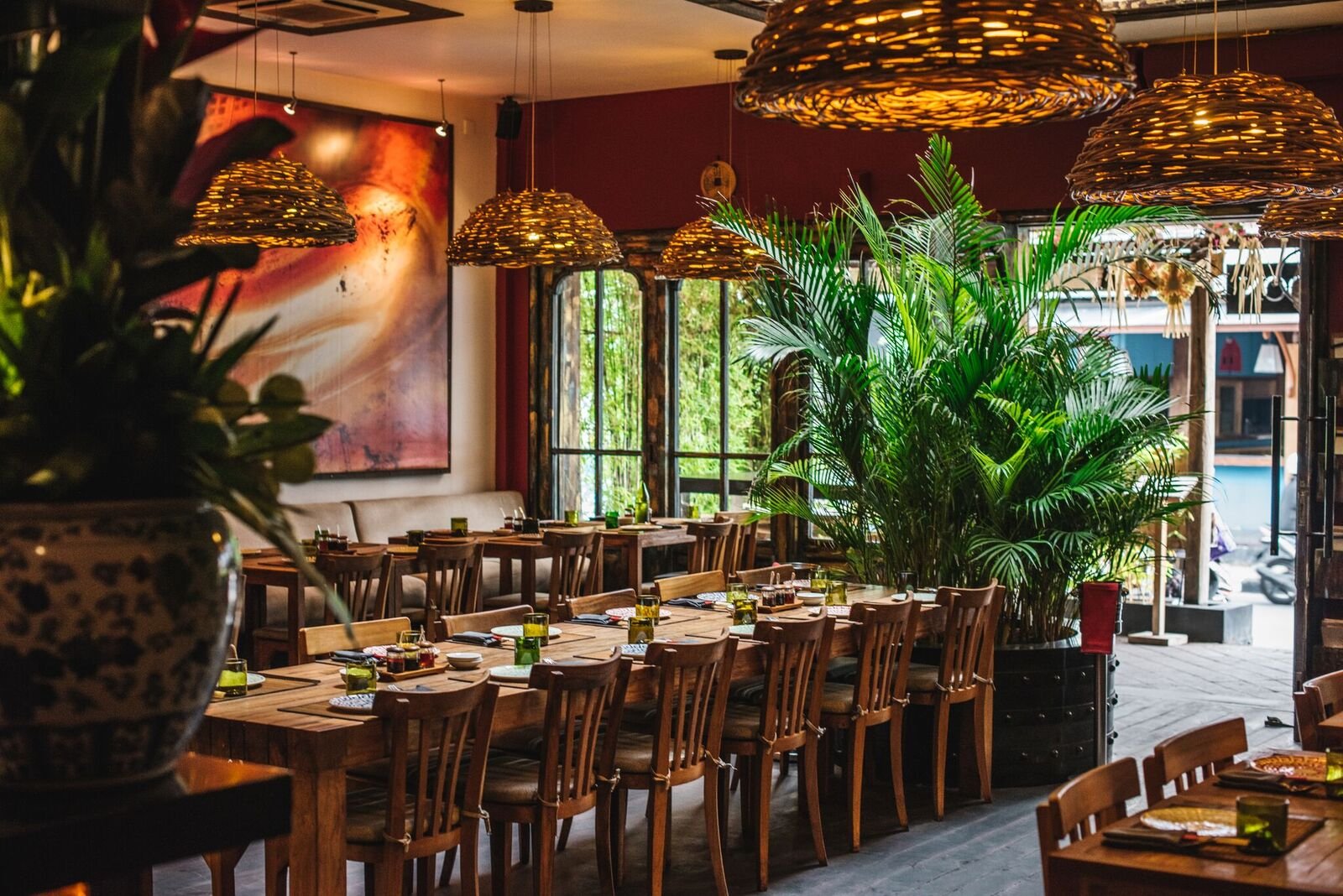
Ginger Moon Restaurant in Seminyak. Ginger Moon Bali. CC0.
Unique food and drink experiences to try:
There are a number of unique Balinese dining experiences that are sure to elevate your experience of culture.
Tebasari emphasizes Bali culture through traditional performances by fire dancers, local musicians and exotic performers to provide entertainment while you enjoy an authentic Balinese meal.
Merlin’s in Ubud creates a magical experience through immersive performances and an expansive menu that combines curiosity of the unknown with classic Balinese culture.
Enjoy your food from a floating tray in a private pool at Kekab Restaurant, a beachside restaurant that specializes in fresh seafood.
Dietary Restrictions and Preferences
For anyone worried about restaurants accommodating their dietary preferences, know that many restaurants are willing to cater to your needs. Some, such as d’Alas Warung, pride themselves on vegan dishes and all-natural ingredients.
An aside: The real deal on “Bali Belly”
Often when discussing food and dining in Bali, it cannot be without the conversation of the dreaded “Bali Belly.” “Bali Belly” does not refer to a specific illness or bacteria despite popular belief, rather it is just a colloquial term for an upset traveler’s stomach (which may happen anywhere, not just in Bali). Some recommend staying away from certain foods to avoid it, but some people can eat everything without an issue, or others “stay away” from certain things and end up doubly sick. An upset stomach can be caused by an introduction to completely new bacteria in foods, as you have not grown up eating in this area, not just food that has gone “off.”
Some ways to avoid an upset stomach:
- Drinking bottled water and avoiding the tap (Yes, even for brushing your teeth)
- Avoiding undercooked foods or meats
- Use hygienic eating practices
- Wash your hands before eating
- Choose establishments with hygienic cooking practices
If you have gotten sick, make sure to stay hydrated. Before you travel, reach out to your doctor to bring over some medication like electrolytes, gastric relief or pain relief medication that may be useful if you end up sick. Additionally, some people take pro-biotics to support their gut bacteria before travel.
Accommodations
Accommodations in Bali promise hospitality and rejuvenation
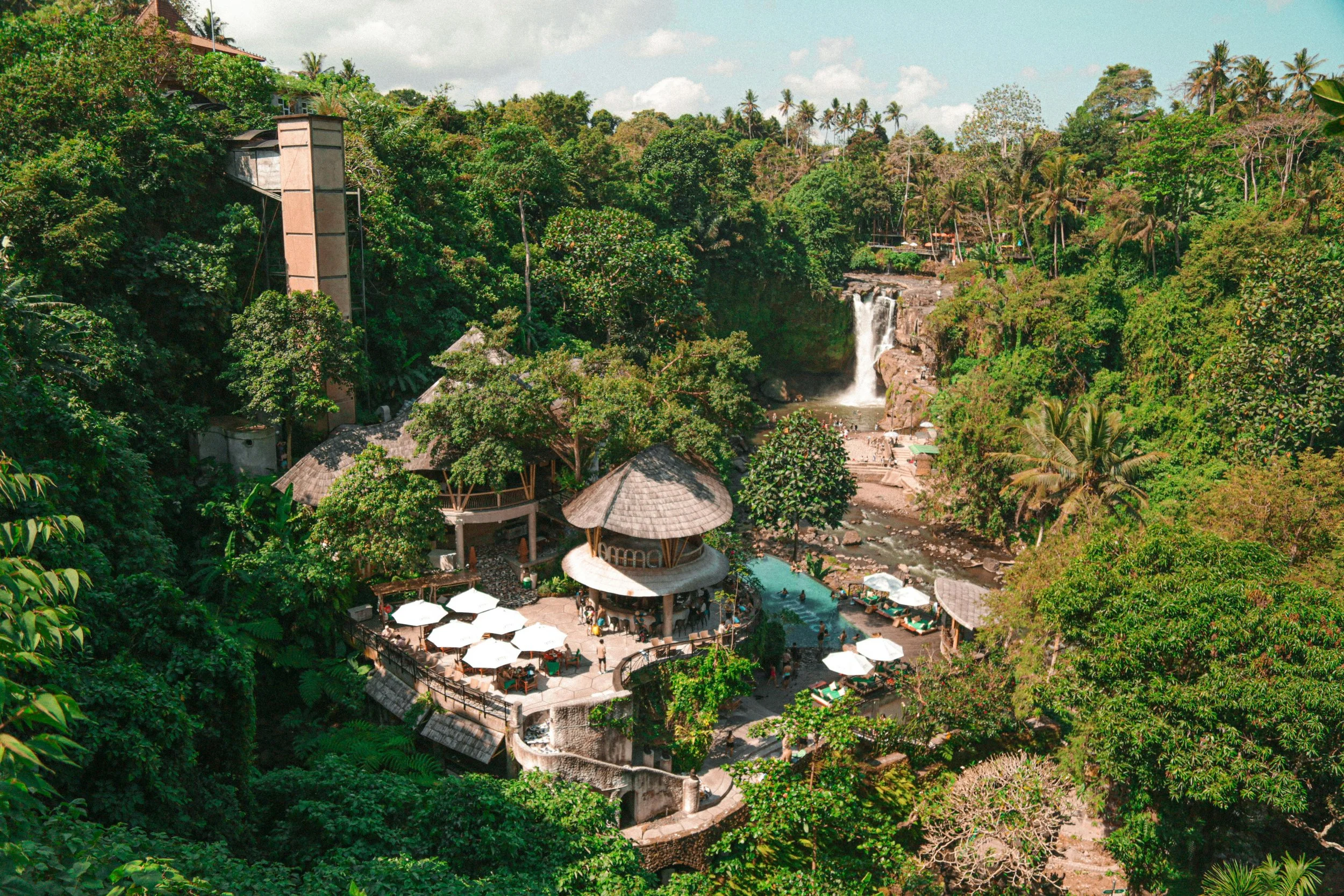
Resort near Tegenungan Waterfall. Yousef salah. CC0.
Hotels, hostels and homestays in the region are an experience like no other and, depending on where you stay, offer a variety of benefits. With so much to see and do around Bali, many accommodations offer tours and personal guides to ensure your time is well spent.
Because there is so much natural life to experience, many accommodations emphasize the outdoors in their facilities. Pools, spas, natural hot tubs and gardens are present in most places to encourage travelers to appreciate the region’s natural beauty. Outdoor dining spaces and dance platforms are also common, and guests should expect to spend a good amount of time outside if they want the true Bali experience.
Options for accommodation vary from hostels, homestays and hotels to private rental properties. Whatever the method, travelers are encouraged to find accommodations that best fit their needs — whether it be rejuvenation, discovery or a mix of everything.
Affordable options: Hostels and Homestays
A more affordable option popular with travelers is to rent rooms from locals through a homestay. Bali is known for its hospitality, and many locals are eager to share a room and meal with foreigners as long as they get to hear your story. Homestays vary greatly in their type, rooms available and amenities. Often, a homestay can offer a private room or bungalow, akin to a hotel, and still allow one to meet the family and management, allowing a more local-feeling experience. Prices range heavily for homestays depending on the amenities included or location, but can start at US$10 per night or go to US$50 per night. They can be booked online through sites like Booking.com or in person.
Another option popular with many younger travelers and backpackers is hostels. Hostels, with shared dorm-style rooms and sometimes private options, allow like-minded travelers to meet and explore Bali together. Hostels in Bali are known for their deluxe amenities, often featuring pools, outdoor lounges and lively atmospheres. Prices range in hostels but may cost anywhere between US$6-$40 per night. Here are some hostel recommendations in Bali:
Karma Backpackers (dorms starting at US$15 a night) has a central location near Bingin Beach in Uluwatu, allowing you the perfect location to explore the town. Offering both dorm-style rooms and private options, the hostel has accommodations for every type of traveler. This hostel is known for its social and friendly atmosphere, with nightly free family-style dinners, morning yoga and free daily beach shuttles. The hostel’s rooftop restaurant and lounge are a great place to hang out and meet other like-minded travelers or make plans to surf!
The Farm Hostel in Canggu (US$11 a night) is one of the most highly coveted hostels in Canggu, with its reputation as a friendly social spot. Complete with free breakfast, the Farm is one of many hostels to make your home base in Canggu. Complete with a gym, pool and outdoor lounge amenities, you might mistake this hostel for a resort.
Savanna Hostel in Ubud (dorms starting at US$21 a night) is another hostel with as many luxuries as a poolside resort. Enjoy the nightly offered social events, like quiz night, movies and family dinners. Or, take part in morning yoga and indulge in a poolside massage. Its central location in Ubud allows you to be just walking distance from the Monkey Forest and the famous Art Market, a perfect spot to explore the city.
Mid-Range to Luxury: Hotels, Private Rentals and Resorts
This category often includes hotels, private rental properties and resorts or retreats. However, a high price tag doesn’t always have to go along with these arrangements, especially when there are many affordable options available. Many travelers often go in together on a short-term rental property, a great way to bask in Bali’s beauty in the privacy of a home and split the price. Nonetheless, from a mid-range budget to a very luxurious one, Bali has accommodations to suit every need.
Hotels:
Hotels are a classic option to enjoy your getaway in Bali. Just like other accommodations, hotels in Bali often incorporate elements of nature, highlight the stunning scenery or show off creative architecture. Here are a few hotels to check out:
Nicknamed “The Art Hotel” by travelers, Gayatri Hotel in Ubud (US$120 a night) encourages travelers to immerse themselves in Bali’s culture through traditional Balinese architecture and rich gardens. On the other end is the Pelangi Bali Hotel (starting at US$58 a night) in Seminyak, which is beachside and a great choice for surfers or anyone excited to experience the famous white sands of Bali. Coral View Villas in Amed (double room suites starting at US$84 a night) offers private bungalows for its guests among lush gardens and fruit and vegetable patches. Step into this oasis during your stay in Amed. Check out Ululani in Uluwatu, a gorgeous four-star hotel close to Dreamland Beach. Enjoy your very own fitness center and restaurant on-site while taking in the beauty of this quieter part of town. Rooms start at around US$30 a night.
Resorts and Retreats:
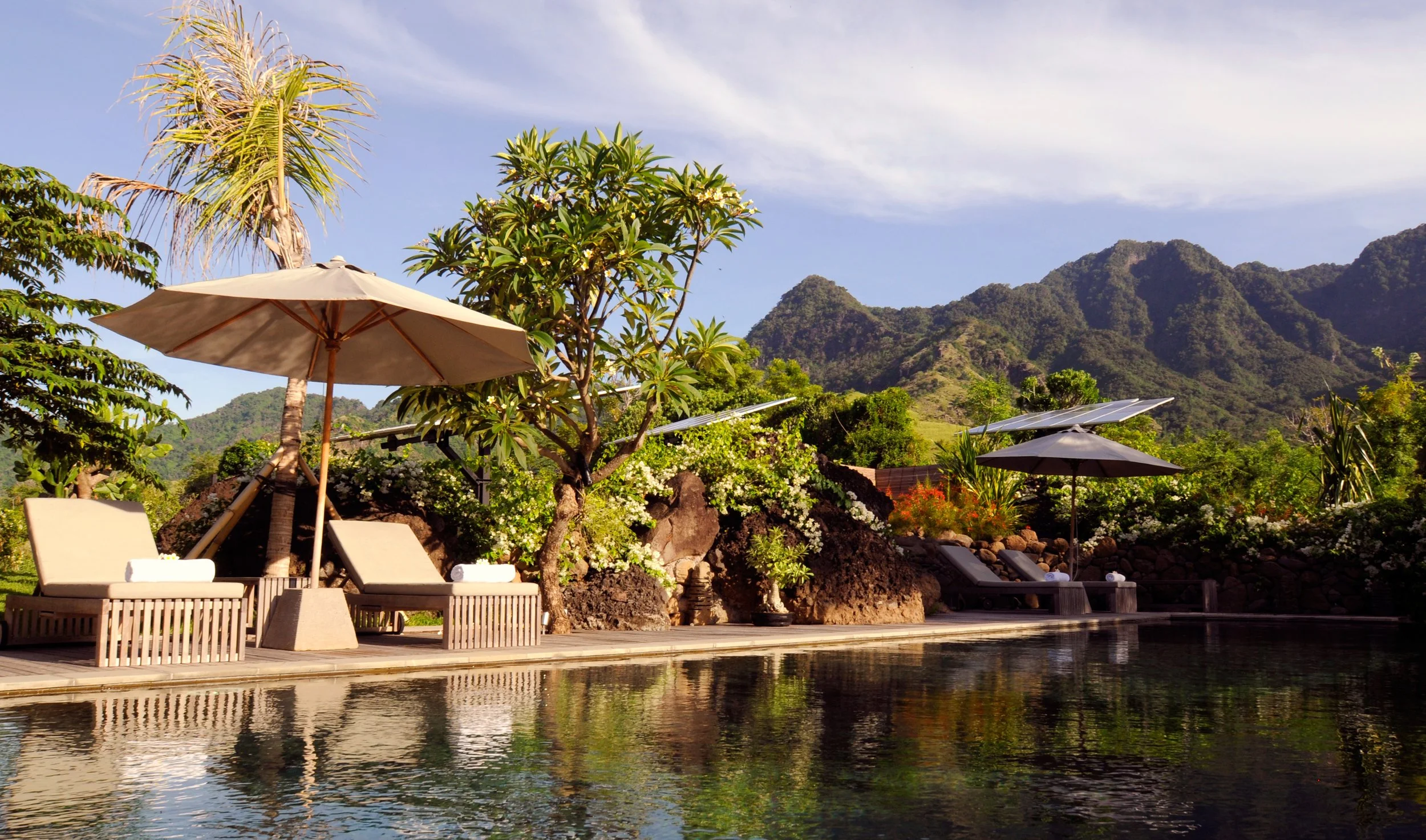
Jeda Villa in Bali. Selamat Made. CC BY 2.0.
Book a stay in one of Bali’s many resorts or retreats to treat yourself to complete and utter zen. Secluded in a world of thick jungle trees and nearby rice fields, Padma Resort in Ubud (starting at US$252 a night) boasts suites and an infinity pool that offer a sprawling view of the endless jungle roof and lush green valley below. Stop in at Desa Seni Eco-Creative Resort in Canggu for a beautiful accommodation that blends wellness with a hotel. Enjoy amazing vegetarian cuisine, a yoga class and all the amenities the resort has to offer. Rates start at US$185 a night.
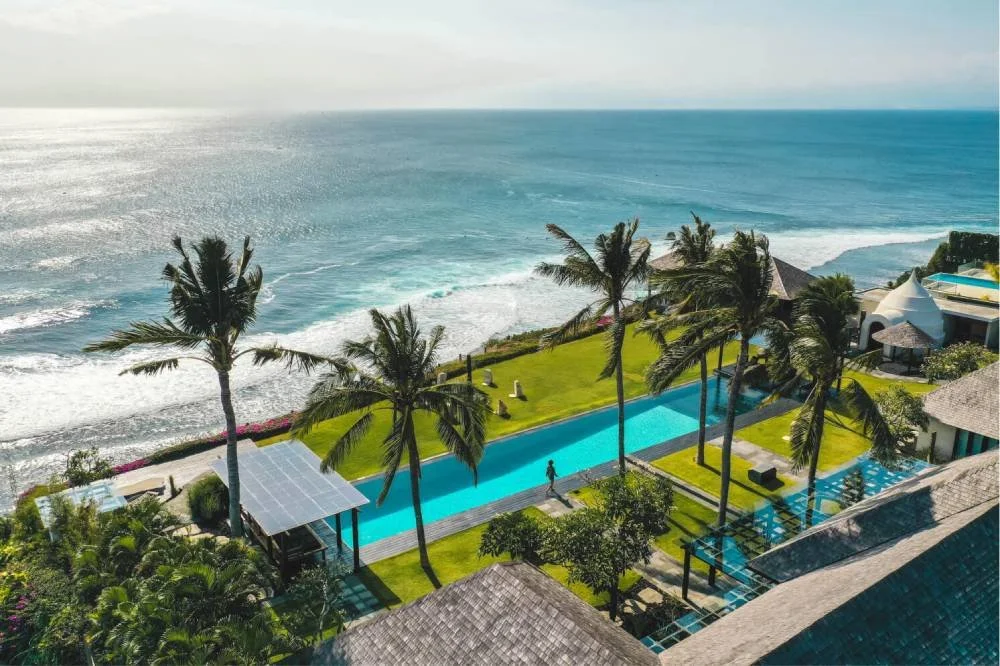
Balilia Beach Resort in Amed calls itself a “piece of heaven,” and we think they have a point. This beautiful eco-conscious resort (starting at US$55 a night) is situated right on a sandy cove near Amed, making it the perfect place to wake up. Enjoy the resort’s on-site wellness therapies, workshops and access to the area’s natural beauty.
Rental properties may often be found in person or through online booking platforms.

Ian
Ian has lived in Bali for three years. He currently teaches Ayurvedic alchemy and develops wellness programs for fasting, detox, cleansing and holistic wellness. He is also the founder of boutique travel company Alternative Escapes, which runs eco-tours to Bhutan and the Amazon.
Discovering Bali with Alternative Escapes Founder Ian
-
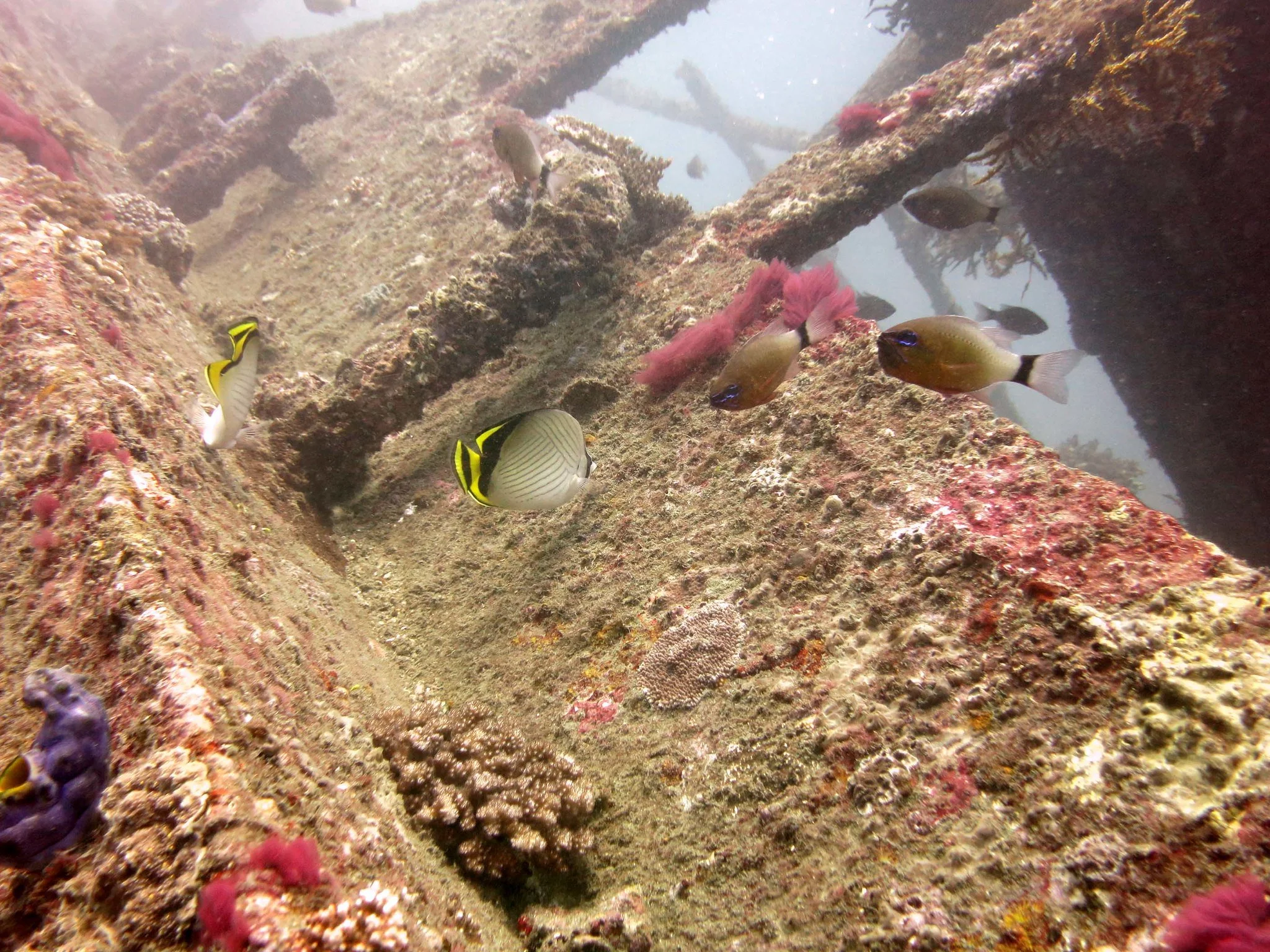
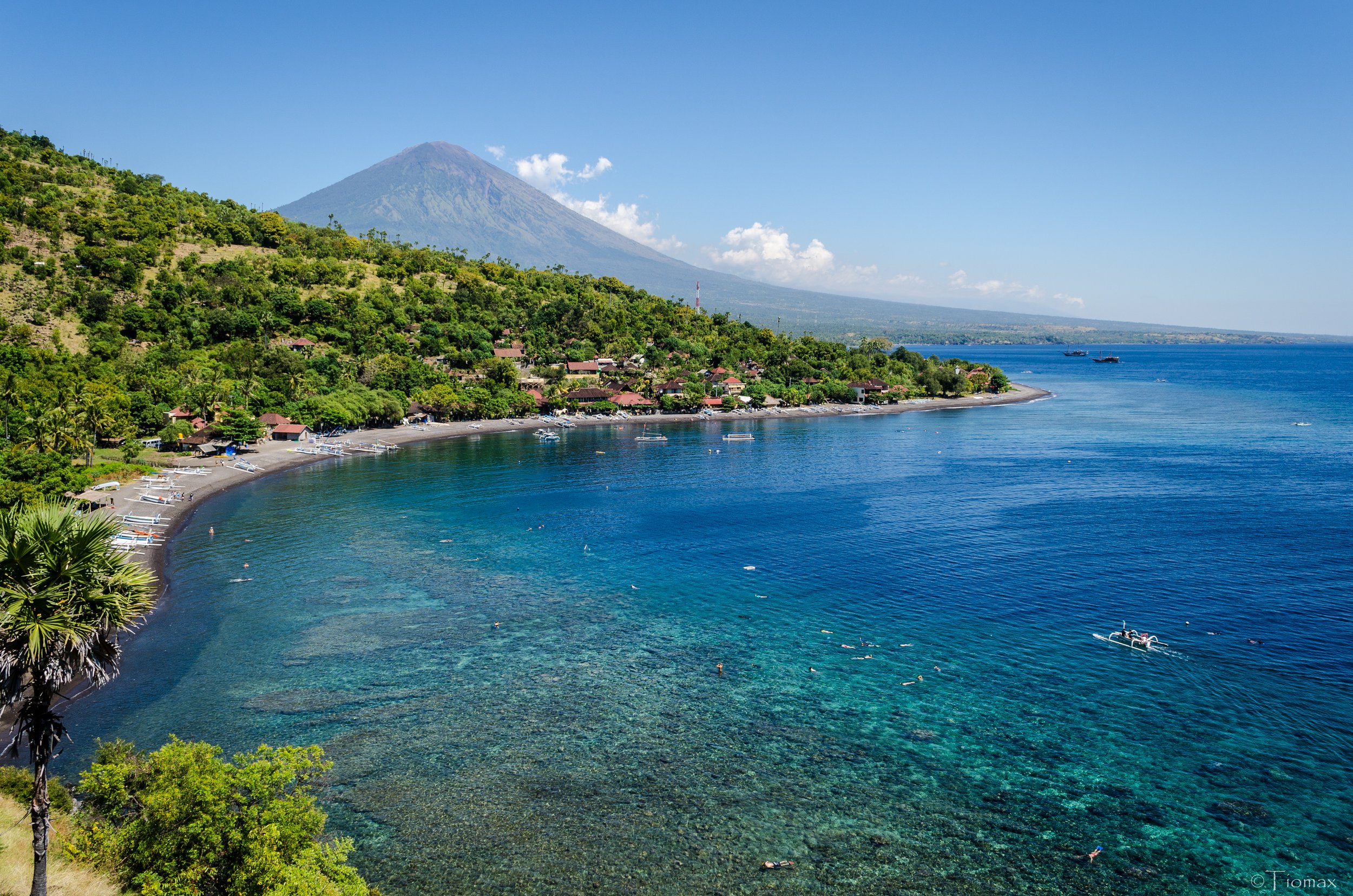
When you are enjoying the quiet beaches of Amed and the wonderful diving, be sure to check out the Japanese Wreck Dive at Lipah Beach. This beach is about a 15-minute drive away from Amed Beach — you’ll only need to take a quick scooter ride to see an amazing reef and shipwreck. If you are a free diver or interested in learning, Amed is the place to be. Check out Apneista Free Diving and Yoga Schoolfor free-diving courses or workshops. If you are looking to stay overnight near the area, consider Eka Purnama Cottages (rates start at about US$22 a night), an affordable family-run hotel situated just steps away from the beach.
-
Snorkel, free-dive or scuba dive the amazing USS Liberty Shipwreck. Underwater for almost 50 years, the wreck has been taken over by natural corals and fish, proving it to be an unbelievable experience for marine enthusiasts. Book an outrigger canoe trip or dive with a snorkel school to reach the wreck.
-
With views rivaling those in Big Sur or Santorini, drive the windy coastal road to or from Amed. Very few people do it, and it is one of the most scenic drives I have ever experienced anywhere. As the slow and windy road goes cove to cove, you can stop along the beautiful bays for perfect photo opportunities or sit back and admire the scenery.
-
About 25 minutes from Canggu, step into the future with a visit to the newly created Nuanu Creative City. This center just opened up and is a city of the future. It embodies the creativity, entrepreneurship and innovation that travelers long to find in Bali (think Burning Man with lots of artistic and musical residencies, it’s a Russian billionaire’s fantasy project). A visit to this city feels like you might be stepping into a future oasis with its focus on art, community and technology.
-
When in Uluwatu, visit the Istana. It is expensive to stay at overnight, but you may purchase a day spa pass for 150,000 rupiah (about US$9). Explore the beautiful grounds, take a yoga class or try out meditation or deep wellness therapies, all while benefiting from a home base and restrooms within walking distance to Uluwatu Beach.
-
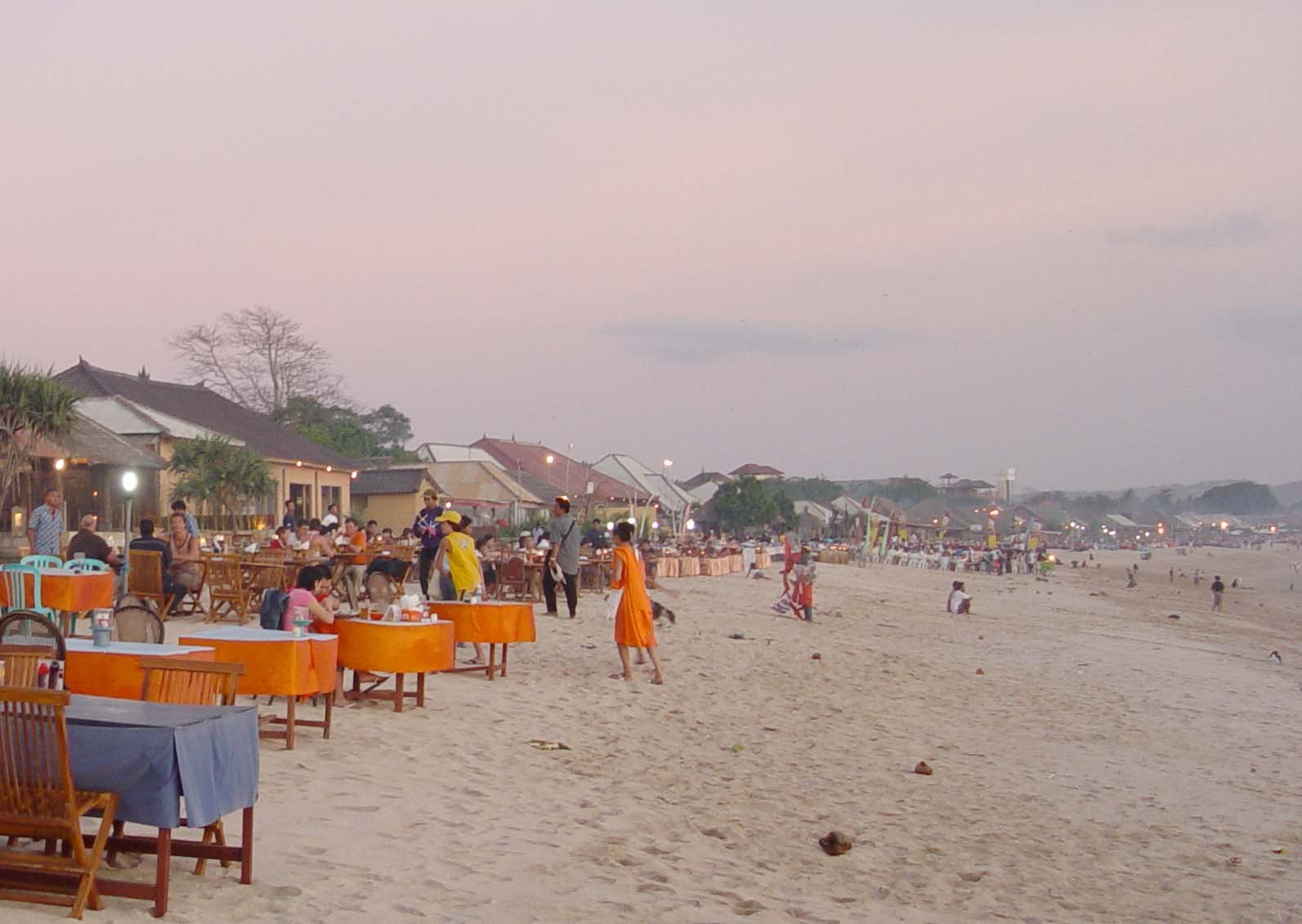
On your way in or before you depart from the Denpasar airport in Bali, stop in Jimbaran Bay for a wonderful meal. Enjoy a seafood dinner and relax on the beach to kick off or end your trip on a high note.
-
If you are spending time in Amed, the Blue Earth Village is a wonderful community epicenter. This is a lovely spot to enjoy a great meal and the sunset with beautiful views among the bamboo bungalow architecture. Or, drop in on a yoga class, learn about free diving and even catch a movie night.


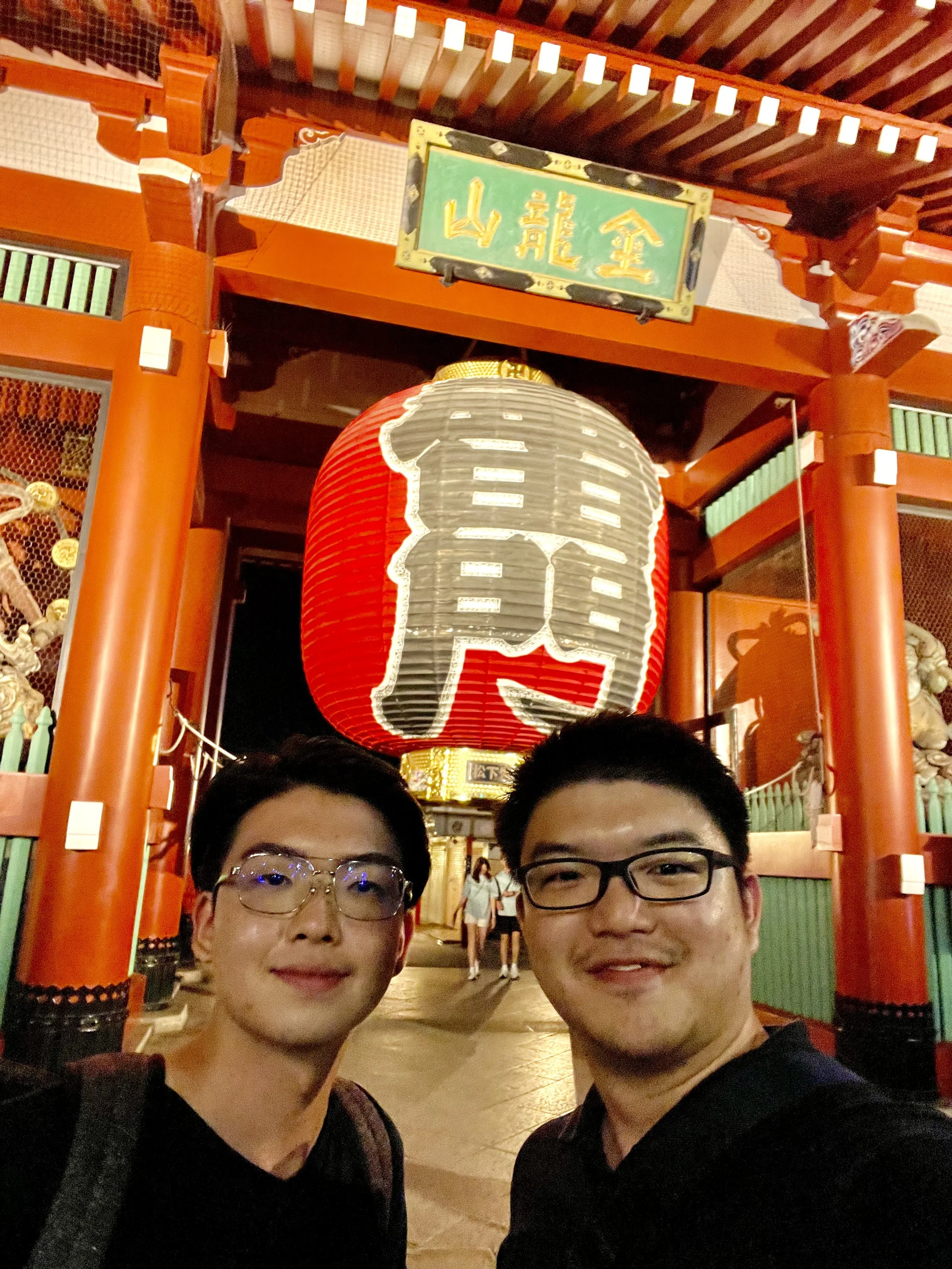
Tenchi & Leo
Tenchi and Leo are Japanese siblings born and raised abroad. Due to family circumstances, we were fortunate to have lived in many countries around the world, such as Thailand, Canada, and New Zealand. We finally came back to Japan about 10 years ago and are still having fun reconnecting with our roots ever since. Even though we are Japanese, with our backgrounds, we can also see Japan through the lenses of foreigners. This is why we started Instagram and a blog site to share our discoveries of this beautiful country.
Discovering Tokyo with Foodie Brothers Tenchi And Leo
-
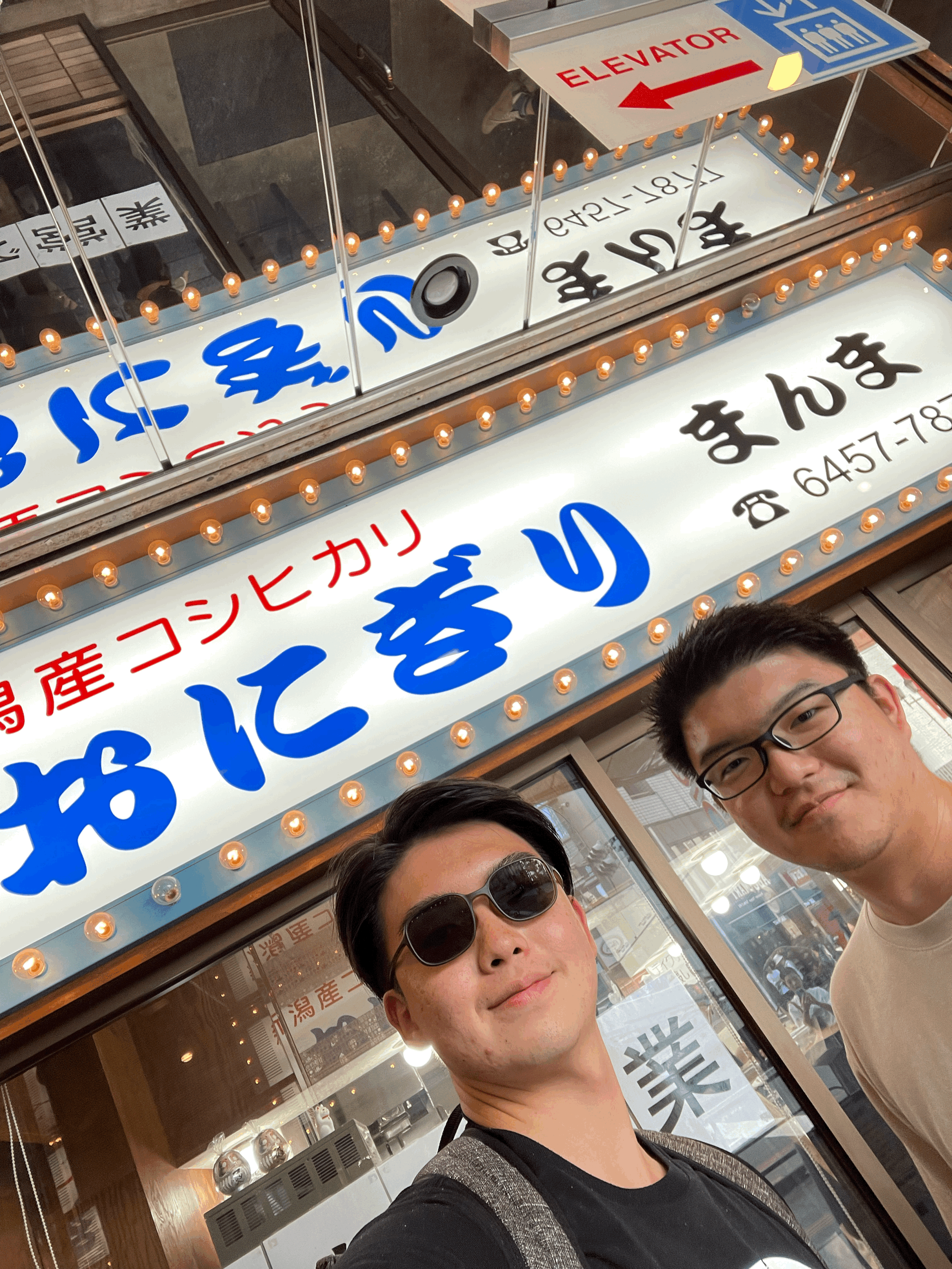
Onigiri at Onigiri Shop Manma おにぎり専門店 まんま is located near Shinjuku-Station! Why Manma? Onigiri's simplicity highlights each ingredient's impact, and Mamma uses the finest Koshihikari rice from Niigata, offering flavors like salmon, baby sardine, and beef tendon. Enjoy the mastery of a skilled chef in every bite. Tradition meets innovation at Mamma—where onigiri becomes an unforgettable journey.
-
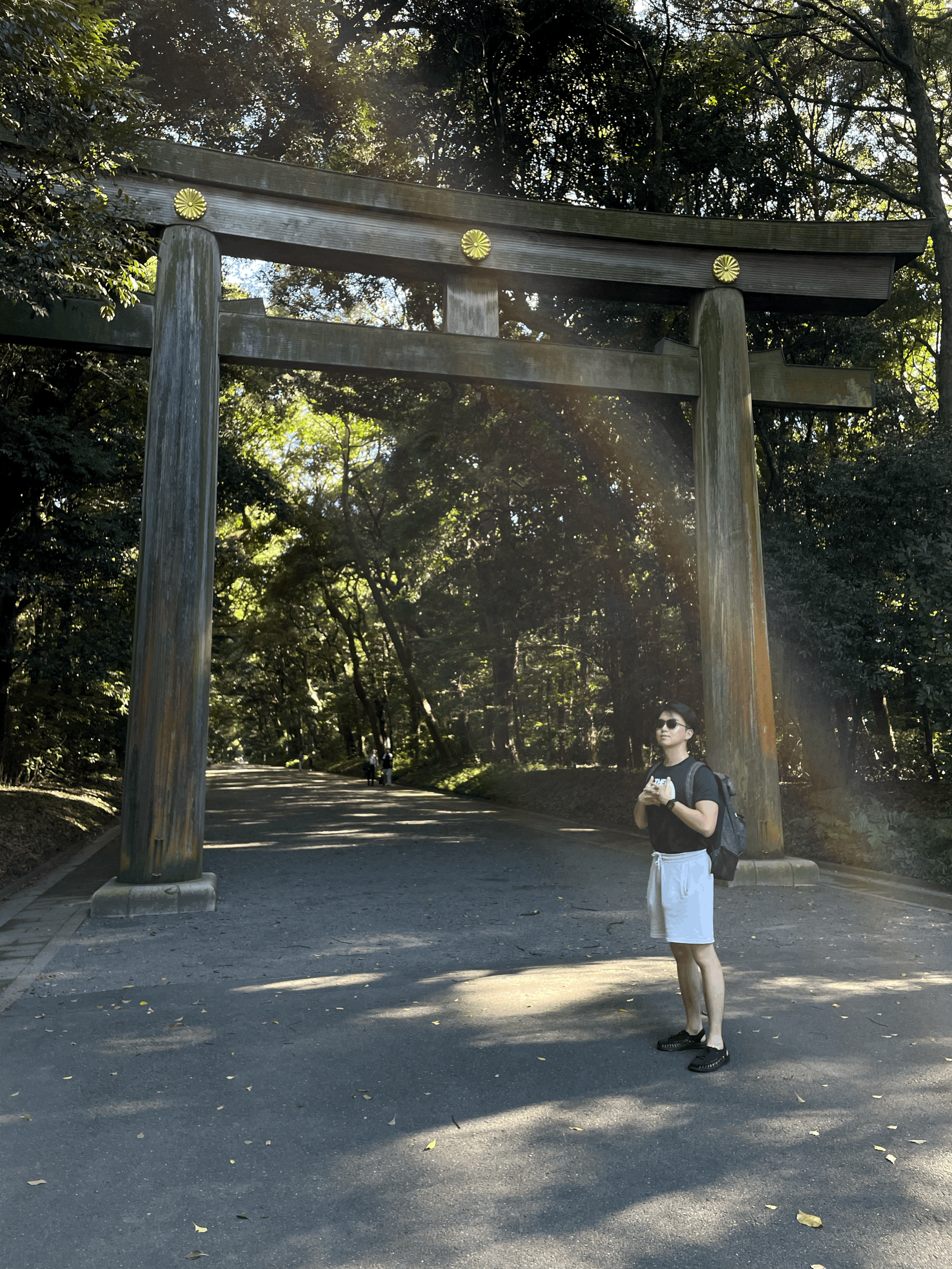
Discover Serenity at Meiji Jingu Shrine! Why Meiji Jingu? This serene haven offers a retreat from the city's hustle, where ancient traditions and lush nature harmonize. Walk among towering Torii gates and find solace in the tranquil Meiji Forest. Discover Japan's rich cultural heritage in the heart of Tokyo.
-
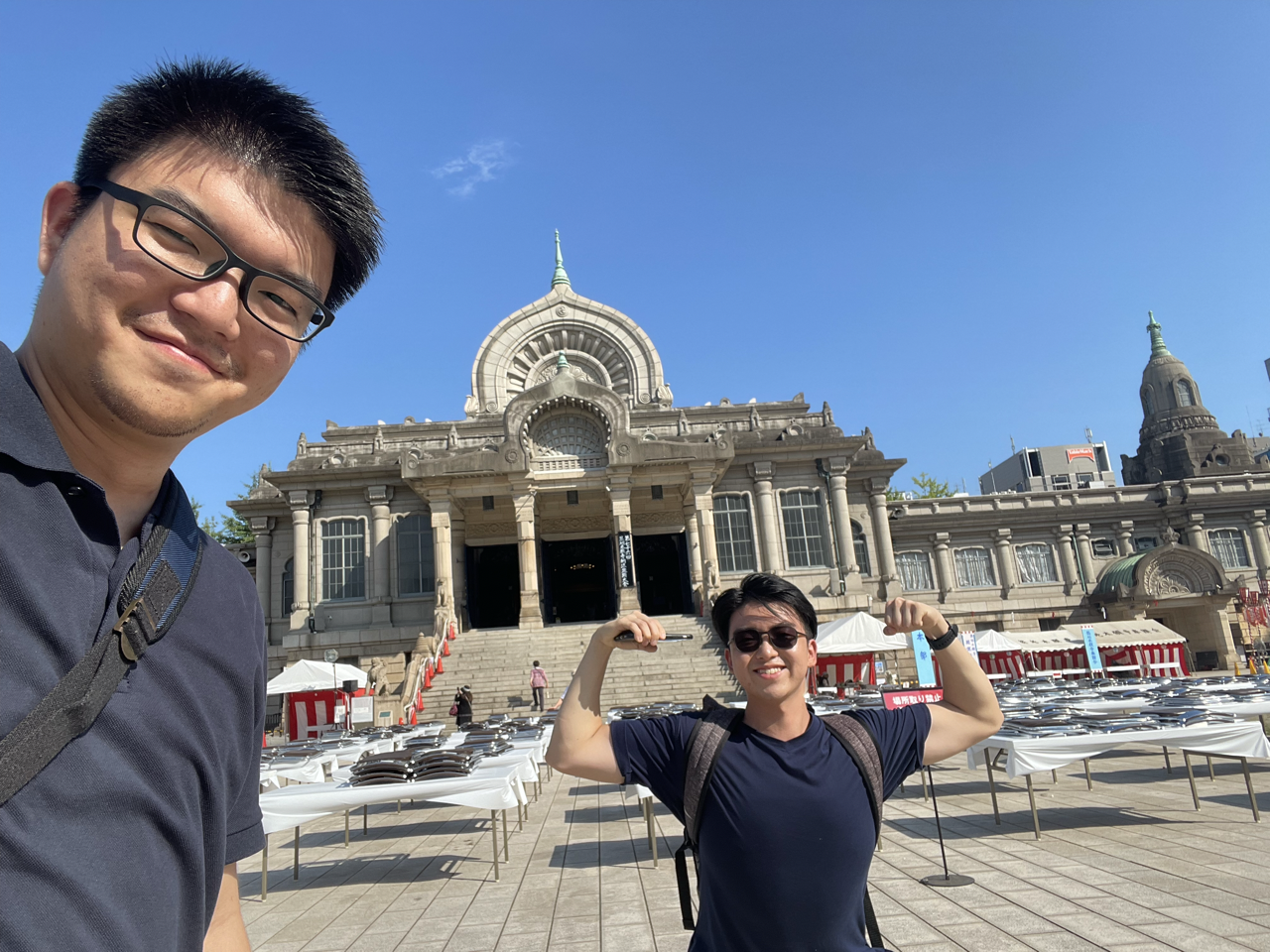
Tsukiji Honganji: A Tranquil Haven in Tokyo! The reason for chosen this historic temple that it offers respite amid the city's hustle. Marvel at the Indian architectural influences, including a stunning main gate and elegant design. Explore the tranquil gardens and experience a serene escape in the heart of Tokyo.
-
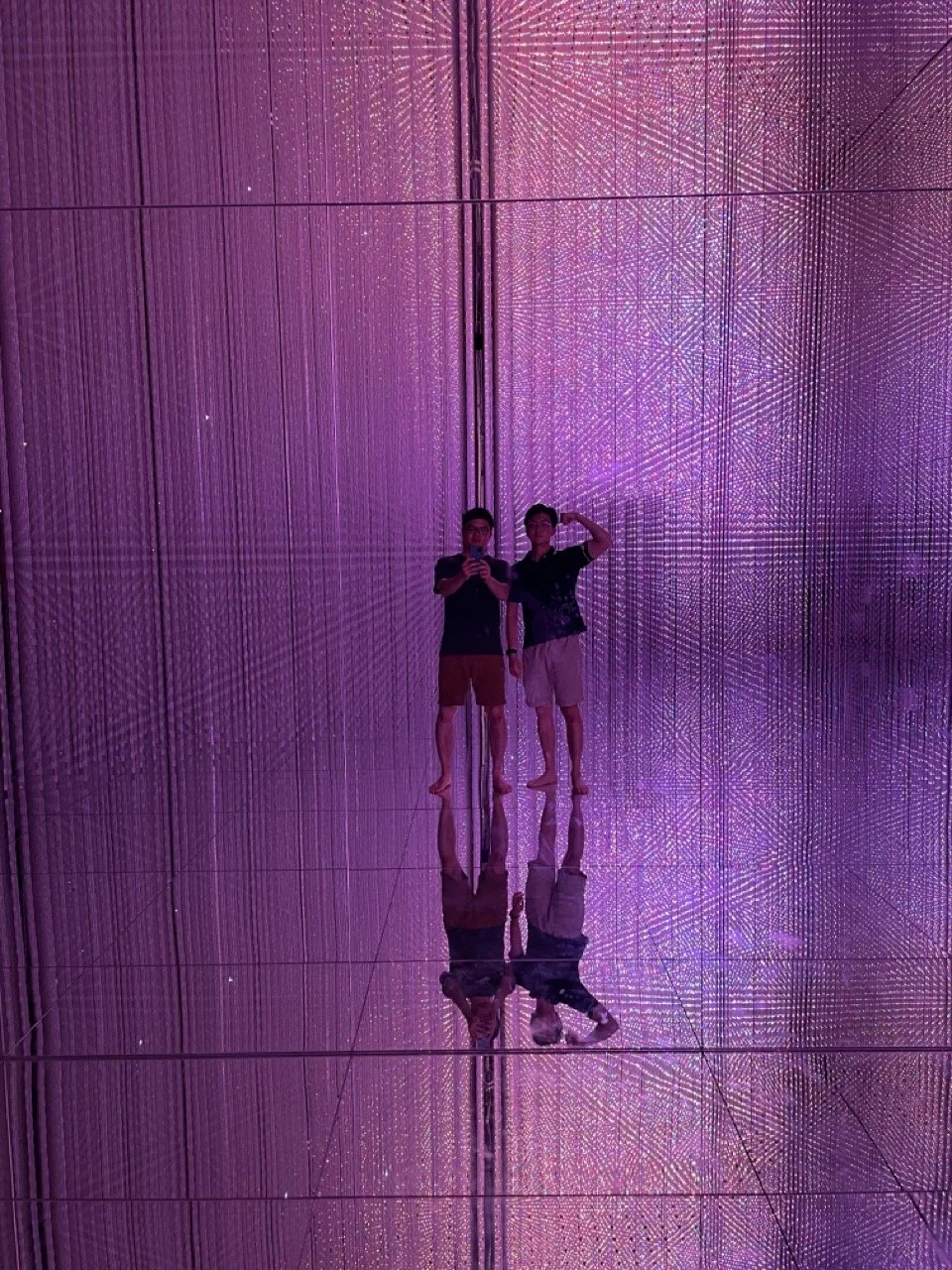
Dive into the World of Wonder at teamLab Planets TOKYO! Why teamLab Planets? Immerse yourself in digital art and stunning interactive installations that blur the line between technology and creativity. Walk through water, immerse in a sea of flowers, and wander in awe-inspiring light displays. Prepare to be enchanted!
-
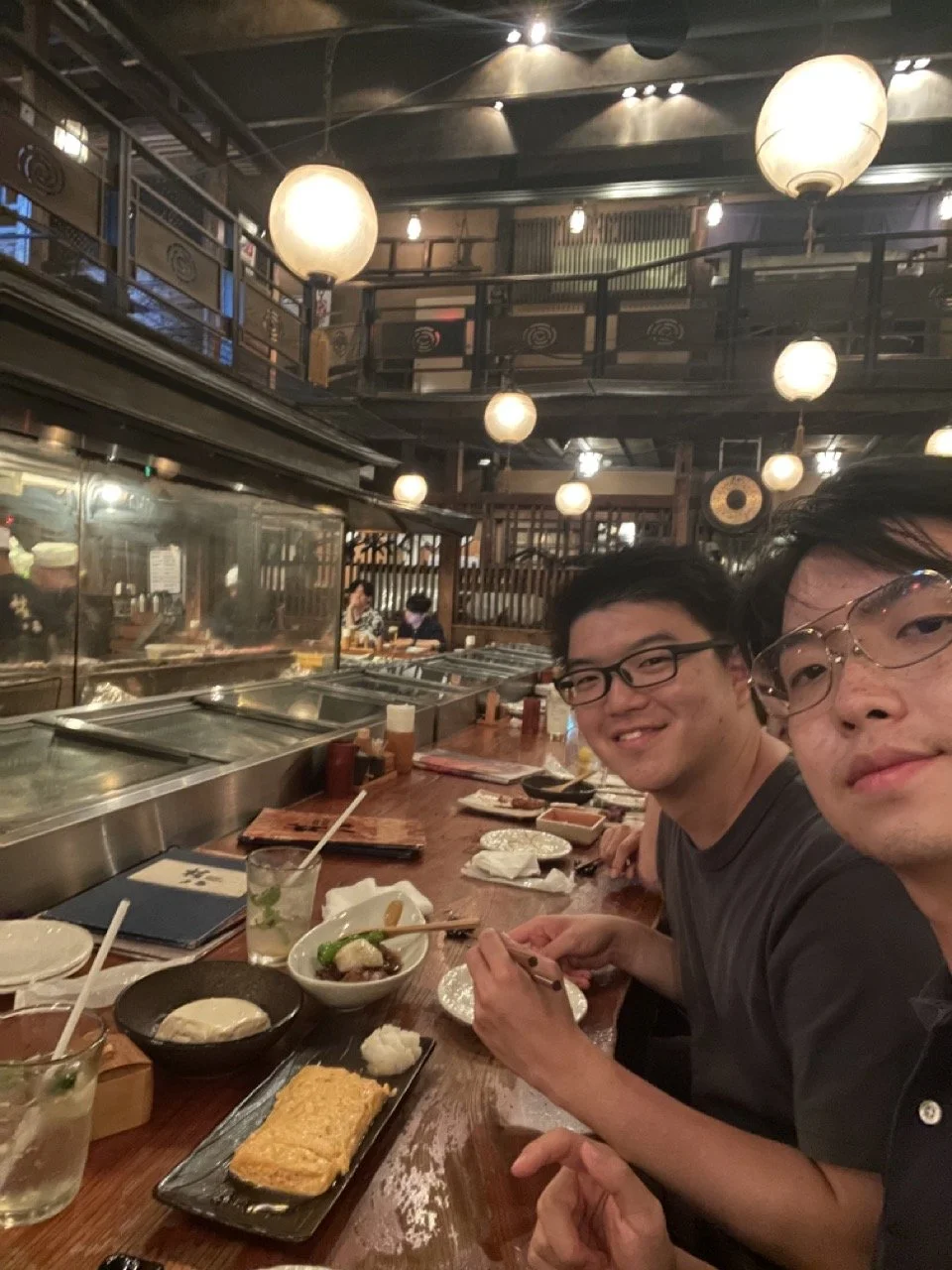
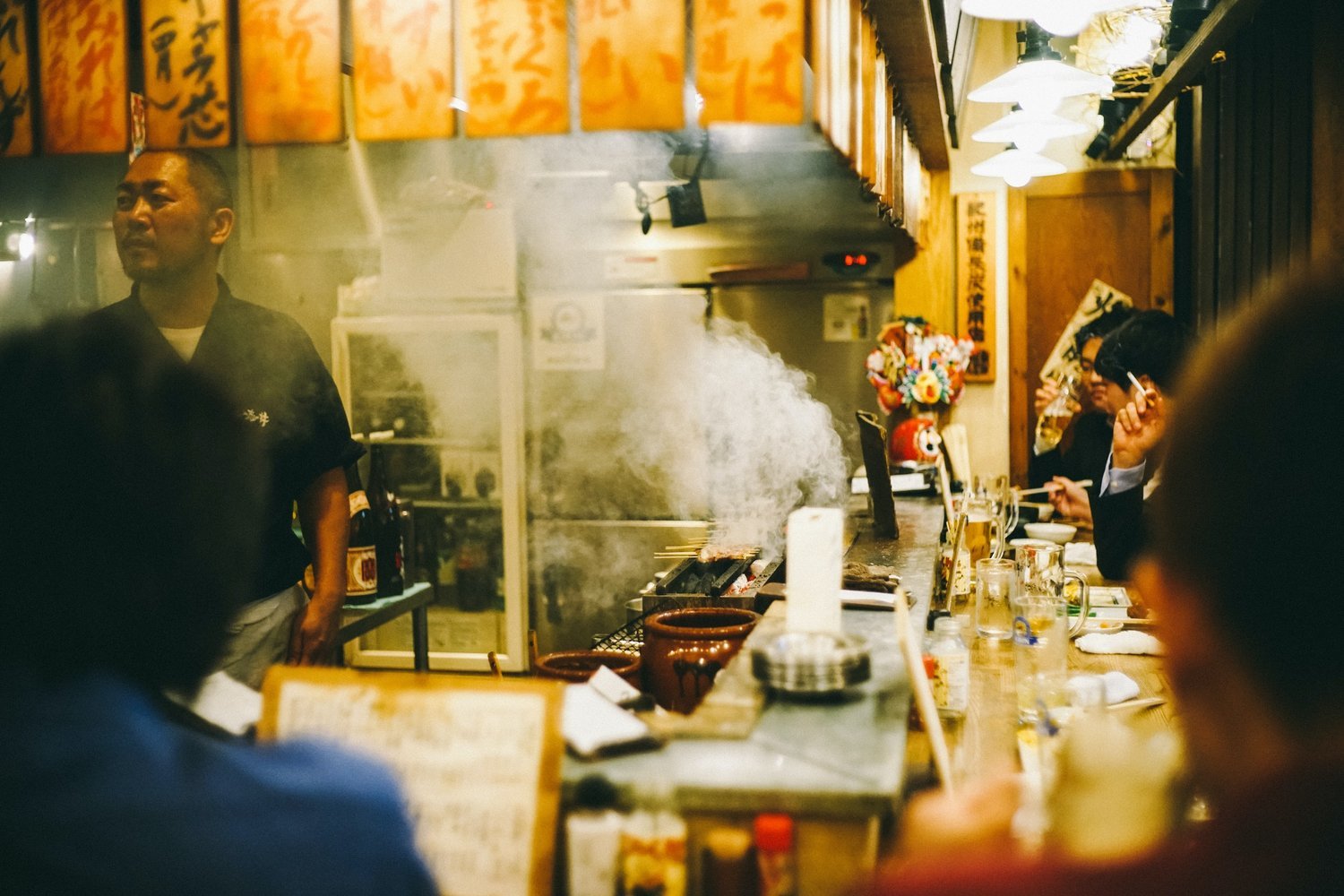
Immerse yourself in authentic Izakaya culture at Gonpachi Nishiazabu
Why Gonpachi? Beyond its delicious offerings, this iconic spot has drawn in not just locals but also numerous celebrities seeking an authentic Izakaya experience. The rustic decor, delectable dishes, and vibrant atmosphere create a perfect backdrop for enjoying Japanese cuisine and culture. Join the ranks of those who have savoured moments at GonpachiNishiazabu and delve into the heart of Tokyo's nightlife.
Accommodations
Tokyo is a city that offers a wide range of accommodations to suit different budgets and preferences.
When it comes to accommodation in Tokyo, it's important to understand the culture. In Japanese culture, hospitality is highly valued, and this is reflected in the accommodations available in Tokyo. Japanese-style inns, known as ryokans, are popular among travelers who want to experience traditional Japanese hospitality. Ryokans typically feature tatami mats, futon beds, and communal baths. Some ryokans also offer traditional Japanese meals, such as kaiseki, which is a multi-course meal featuring seasonal ingredients. In addition to traditional accommodations, Tokyo also has unique lodging options, such as love hotels, which are often used by couples for short-term stays. These hotels are known for their themed rooms and are typically rented by the hour.
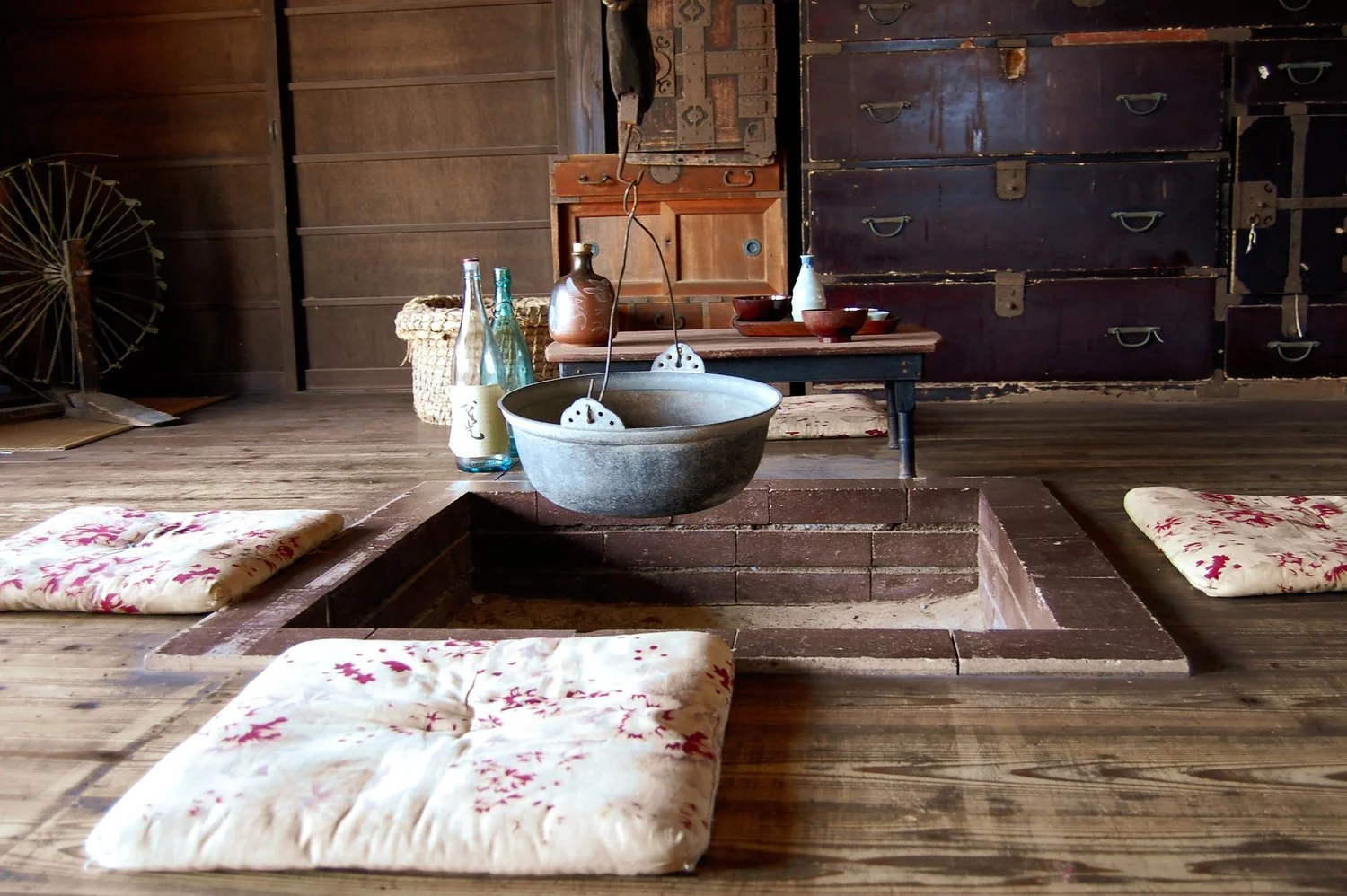
When it comes to accommodation in Tokyo, it's important to understand the culture. In Japanese culture, hospitality is highly valued, and this is reflected in the accommodations available in Tokyo. Japanese-style inns, known as ryokans, are popular among travelers who want to experience traditional Japanese hospitality. Ryokans typically feature tatami mats, futon beds, and communal baths. Some ryokans also offer traditional Japanese meals, such as kaiseki, which is a multi-course meal featuring seasonal ingredients. In addition to traditional accommodations, Tokyo also has unique lodging options, such as love hotels, which are often used by couples for short-term stays. These hotels are known for their themed rooms and are typically rented by the hour.
For those who prefer more modern accommodations, Tokyo is a city of contrasts, blending futuristic innovation with deep-rooted traditions. For travelers seeking unique and locally-owned options, Tokyo offers a wide range of accommodations catering to various budgets. Whether you’re looking for affordable stays, mid-range comfort, or luxury indulgence, you’ll find choices that emphasize community and cultural immersion. Here’s your guide to exploring Tokyo responsibly while enjoying its vibrant culture and attractions.

Budget
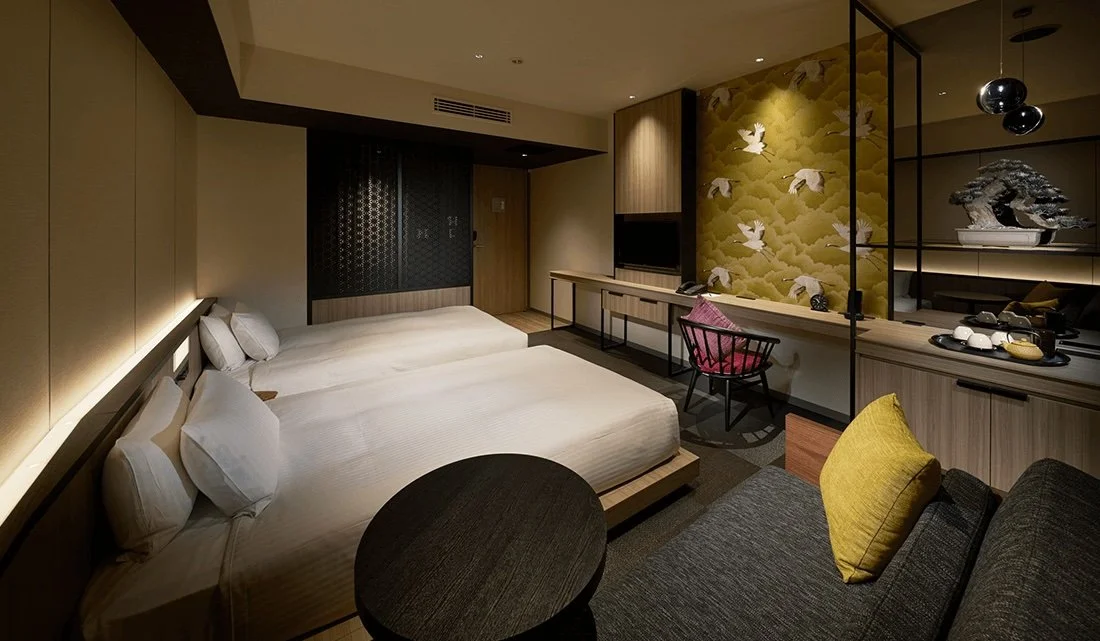
Tokyo’s budget accommodations provide affordability without compromising on charm. An excellent choice is UNPLAN Shinjuku ($35/night), a modern hostel designed to facilitate cultural exchange through group activities. The hostel provides free breakfast, co-working spaces, and guided walking tours, all within proximity to the tranquil Shinjuku Gyoen National Garden and the bustling Kabukicho district. For budget-conscious travelers, Tokyo also offers unique options like the Capsule Hotel Asakusa Riverside, with compact, pod-like sleeping arrangements at an affordable price, and K's House Tokyo Oasis ($17/night), known for its clean, comfortable accommodations and friendly staff.
Mid Range
For those seeking mid-range accommodations, Tokyo delivers comfort with a creative twist. A standout option is Sakura Terrace in Ikebukuro, a hotel that supports local artists through rotating exhibitions and offers thoughtful amenities. Guests can participate in wellness classes, dine at the in-house restaurant, and receive discounts for using public transportation. Attractions like Sunshine City’s observation deck and aquarium, as well as locally-owned vintage stores, are just a short walk away. The hotel offers hostel-style shared dorms ($28/night) and private rooms (starting at $114/night). Additional mid-range options include Tokyu Stay Shibuya Shin-Minamiguchi ($195/night), valued for its convenient location and modern amenities, and the Shibuya Granbell Hotel, which features stylish accommodations and a rooftop terrace with stunning city views. For a hotel with unique personality, Hotel Gracery Shinjuku stands out, complete with its iconic Godzilla statue on the rooftop ($263/night).
Luxury
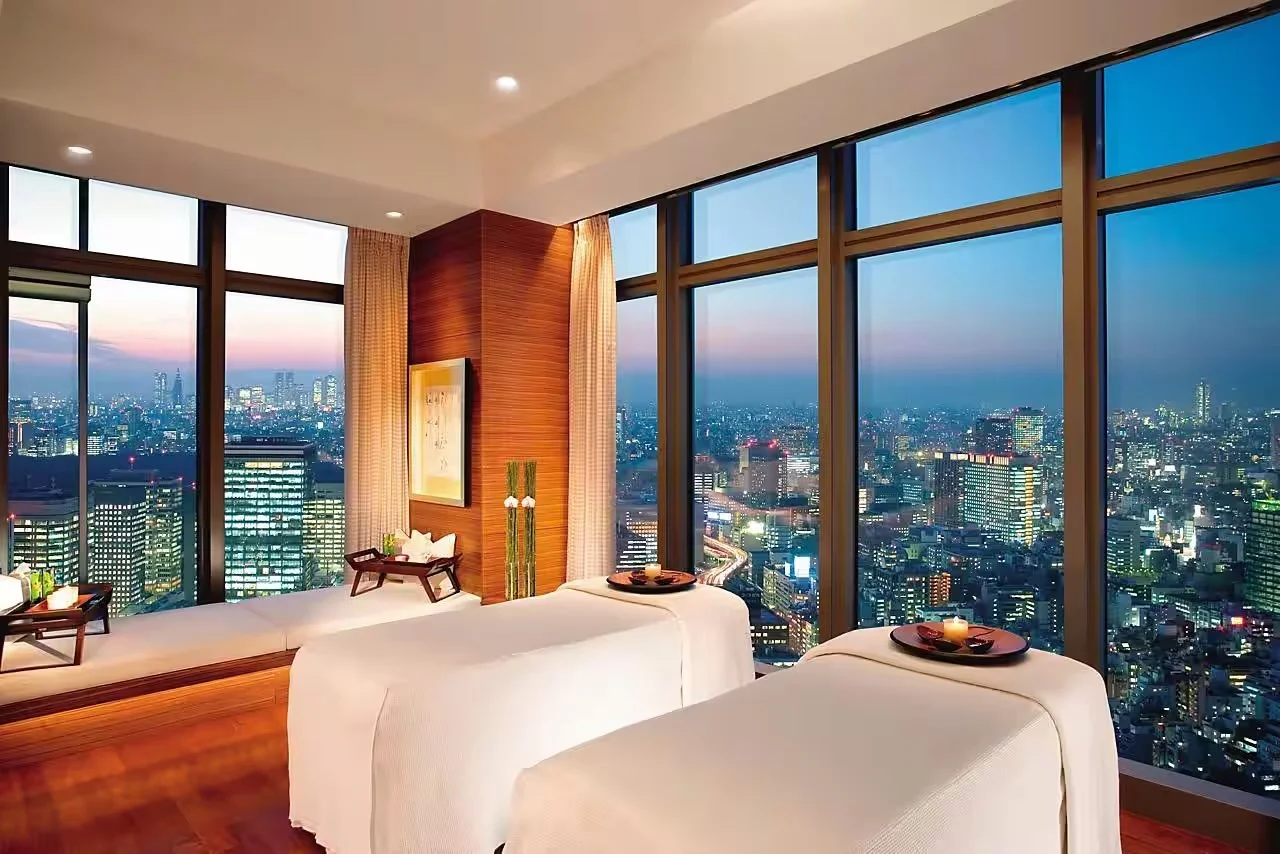
Luxury travelers can indulge in accommodations that blend opulence with local culture. Hoshinoya Tokyo, a five-star ryokan in Otemachi, combines traditional Japanese hospitality with modern luxury (starting at $946/night). Guests can relax in private hot spring baths, savor kaiseki dining crafted with seasonal ingredients, and participate in curated cultural experiences like tea ceremonies. The nearby Imperial Palace gardens and Marunouchi’s upscale boutiques add to the allure. For a more modern take on luxury, Trunk Hotel in Shibuya embraces a philosophy of “socializing,” offering stylish rooms designed with reclaimed materials, an in-house café serving ethically-sourced coffee, and bike rentals for exploration. Its location provides easy access to the buzz of Shibuya Crossing and the tranquility of Yoyogi Park (small private rooms start at $464/night, with suites starting at $1230/night). Other top-tier options include the Park Hyatt Tokyo in Shinjuku, offering stunning city views, a rooftop pool, and a luxurious spa, and the Mandarin Oriental in Nihonbashi, renowned for its elegant decor and impeccable service. The Peninsula Tokyo ($1000/night), with its prime location and exceptional amenities, is another highly recommended choice for luxury seekers.
Food and Drink
Here Are Some Must-Try Foods And Unique Dining Experiences To Add To Your List.
Food and Drink:
Tokyo is known for its incredible food scene, from traditional Japanese cuisine to international fusion dishes.
Local Cuisine And Popular Dishes:
Sushi is one of Tokyo's most famous dishes, and you can find it everywhere from high-end restaurants to casual sushi bars, or even in a subway station! Try the omakase (chef's choice) menu at Sushi Saito in Roppongi or the tuna auction fresh sushi at Sushi Dai in Tsukiji Fish Market. Ramen is another popular dish in Tokyo, with various regional styles to try. Head to Menya Musashi in Shinjuku for a delicious bowl of tsukemen (dipping noodles) or Ichiran Ramen in Shibuya for a customizable bowl of tonkotsu ramen. For a unique Japanese breakfast experience, try tamagoyaki (sweet omelet) and natto (fermented soybeans) at a local izakaya (Japanese pub) or coffee shop.
Recommended Local Restaurants Or Cafes:
Tokyo has countless amazing restaurants and cafes to try, but here are a few recommendations:
Yakitori Marukin in Shinjuku for delicious grilled chicken skewers and an extensive sake selection.
Maisen in Omotesando for crispy tonkatsu (breaded pork cutlet) and homemade miso soup.
Tsukiji Market in Chuo for fresh seafood and sushi from local vendors.
Unique Food And Drink Experiences To Try:
If you're looking for a unique dining experience in Tokyo, try one of these:
Robot Restaurant in Shinjuku for a wild robot-themed dinner show.
Ninja Akasaka in Akasaka for a ninja-themed dinner and magic show.
Kawaii Monster Cafe in Harajuku for a colorful and quirky cafe experience.
Dietary Restrictions Or Preferences:
If you have dietary restrictions or preferences, Tokyo has plenty of options for you. Many restaurants offer vegetarian and vegan dishes, and some even specialize in it, such as T's Tantan in Tokyo Station for vegan ramen or Ain Soph Ripple in Shinjuku for vegan burgers and desserts.
Halal food options are also available in Tokyo, such as Gyumon in Shibuya for halal-certified yakiniku (Japanese BBQ) or Sumiyakiya in Shinjuku for halal-certified wagyu beef.
Insider Tip: Check out local food markets like Ameya Yokocho in Ueno or Depachika (food halls) in department stores for a wide variety of food options and local delicacies.
In Tokyo, food and drink are not just about nourishment, it's also a reflection of the city's culture and history. By exploring the local food scene, you can truly immerse yourself in the heart of Tokyo.


Activities and Attractions
Tokyo, Japan is a city full of life and culture, offering a wide range of activities and attractions to suit all interests. Whether you're interested in exploring history and art, getting outdoors, or experiencing unique and off-the-beaten-path experiences, Tokyo has something for everyone.
Image courtesy of Robot Restaurant
Cultural Attractions
Tokyo is home to several museums, historical sites, and art galleries. One of the most popular cultural attractions is the Tokyo National Museum, which showcases a wide range of Japanese art, including paintings, sculptures, and textiles. The Edo-Tokyo Museum offers a glimpse into the city's history and culture during the Edo period, while the Imperial Palace allows visitors to see the home of Japan's emperor.
Outdoor Activities
Despite being a bustling metropolis, Tokyo has plenty of outdoor activities for visitors to enjoy. Hiking is a popular activity in the city, with several mountains and nature reserves around the Tokyo region. Mount Takao is the most popular hiking spot, which offers stunning views of the city and a range of hiking trails for all levels.
Surfing is also a popular activity, with several beaches along the coastline of Tokyo. The most popular beach is Odaiba, which offers calm waters and is suitable for all levels of surfers. For those looking for a winter activity, skiing, and snowboarding are also possible at nearby resorts such as Gala Yuzawa and Hakuba.
Local Festivals or Events Tokyo is home to several festivals and events throughout the year, offering visitors a chance to experience local culture and traditions. One of the most popular events is the cherry blossom festival, which takes place in late March to early April when the cherry blossoms are in full bloom. Other popular events include the Sumida River Fireworks Festival in July, the Kanda Matsuri Festival in May, and the Tokyo International Film Festival in October.
Recommended Tours Or Excursions
Several tours and excursions are available for those looking to get a more in-depth experience of Tokyo. One popular option is the Tokyo food tour, which takes visitors to local markets and restaurants to sample the city's delicious cuisine. Another popular tour is the Tokyo city tour, which takes visitors to popular landmarks and attractions such as the Tokyo Tower, Shibuya Crossing, and the Meiji Shrine.
Unique Experiences Or Hidden Gems
Tokyo has several hidden gems to discover for visitors looking for unique and off-the-beaten-path experiences. The Robot Restaurant in Shinjuku is a popular attraction, featuring a futuristic show with robots, dancers, and music. The Tsukiji Fish Market is also a must-visit for seafood lovers, offering the freshest seafood and a unique auction experience.
For those interested in history and culture, the Yanaka neighborhood is a hidden gem with traditional Japanese houses and a laid-back atmosphere. Another unique experience is visiting the themed cafes in Tokyo, such as the cat or owl cafes, where visitors can interact with animals while enjoying food and drink.
Tokyo, Japan is a city full of activities and attractions for all interests. From cultural attractions and outdoor activities to local festivals and hidden gems, this vibrant city always has something new to discover.
Bars and Nightlife
Tokyo's Nightlife Scene Is A Must-See For Anyone Visiting The City, With An Incredible Variety Of Bars And Clubs Catering To All Tastes.
Here are some insider tips and recommendations for making the most of your time out in Tokyo.
Bars And Clubs
Golden Gai in Shinjuku is a unique area consisting of narrow alleys with tiny bars and pubs that can only accommodate a few customers at a time. It's a great place to experience the local bar scene and meet new people. Some of the bars have cover charges, so it's a good idea to check before entering.
Another must-visit bar is Bar Benfiddich in Shinjuku, a hidden gem known for its unique and innovative cocktails. The bartenders use locally sourced and seasonal ingredients to create their drinks, giving them a distinctly Japanese flavor.
For a more high-energy experience, Womb in Shibuya is one of the most popular nightclubs in Tokyo. Known for its impressive sound system and a lineup of international DJs, it's a great place to dance the night away. The club can get crowded on weekends, so be prepared to wait in line to enter.
For a more upscale experience, the New York Bar located on the 52nd floor of the Park Hyatt Tokyo is a must-visit. This bar offers stunning views of the city skyline and is also the bar featured in the movie "Lost in Translation." The cover charge is on the higher side, but the experience is worth it.
Nightlife Experiences
In addition to bars and clubs, there are plenty of other nightlife experiences to try in Tokyo. Attending a live music performance is a great way to experience the city's music scene. Venues like the Blue Note in Minato-ku and the Billboard Live Tokyo in Roppongi host a variety of acts throughout the year, from jazz to pop and rock.
A sake tasting is another unique experience to try in Tokyo. Several sake breweries and bars throughout the city offer tastings and educational experiences. The Kurand Sake Market in Shibuya is a popular spot to try a variety of sake, while the Katsuoji Temple in Mie Prefecture offers a more traditional experience of sake tasting.
For those looking to unleash their inner rockstar, karaoke is popular in Tokyo. There are countless karaoke bars throughout the city, some with private rooms and others with open spaces. It's a fun way to spend an evening with friends, and even if you're not a great singer, nobody will judge you.
Insider Tips
The dress code is important when going out at night in Tokyo. Many bars and clubs have dress codes, so it's important to dress well and avoid wearing sneakers or sandals. Men may also be required to wear a collared shirt.
It's also worth noting that many bars and clubs have cover charges, so be prepared to pay a fee to enter. The cover charge can range from a few hundred to several thousand yen depending on the venue.
Finally, Tokyo's public transportation system stops running after midnight, so make sure to check the last train times before heading out at night. Taxis can be expensive, so it's a good idea to plan your route ahead of time or stay out until the trains start running again in the morning.
Overall, Tokyo's nightlife scene is a unique and exciting experience that shouldn't be missed. From the vibrant energy of clubs like Womb to the cozy charm of Golden Gai, there's something for everyone. Just be sure to dress well, be prepared to pay a cover charge, and plan your transportation ahead of time to make the most of your night out.
Political Climate
As with any destination, it is important to consider the political climate when planning a trip to Tokyo, Japan. Here are a few key issues to be aware of.
First and foremost, Japan has a long history of conservative politics and has been dominated by the Liberal Democratic Party (LDP) for much of its post-World War II history. The LDP is a center-right party that has been criticized for its close ties to big business and for its conservative social policies.
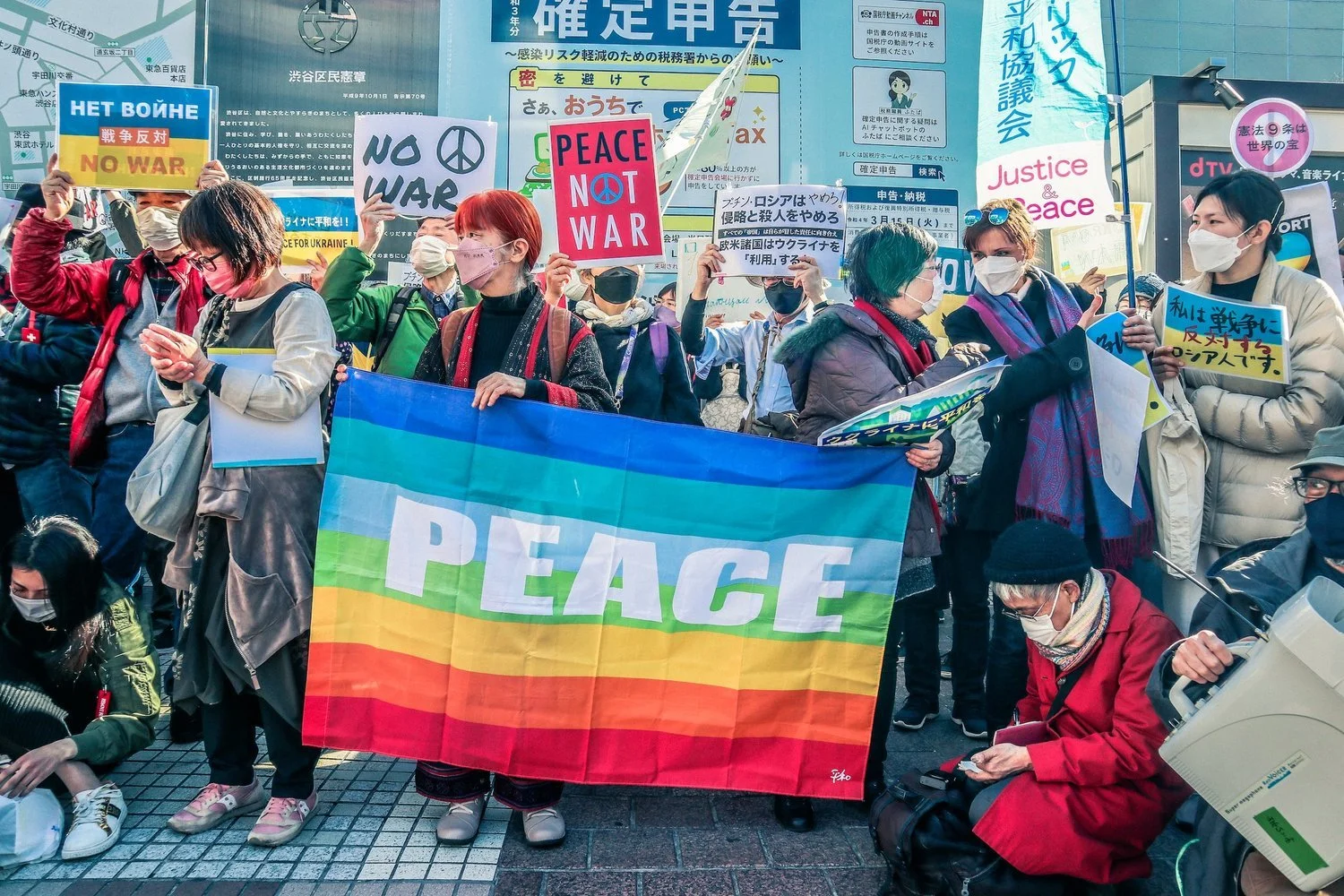
In recent years, there has been a growing progressive movement in Japan, with the rise of left-wing political parties and grassroots social movements. Income inequality, environmental protection, and LGBTQ+ rights have become more prominent in the public discourse.
One major issue in Japan that has drawn criticism from progressives is the country's immigration policy. Japan has stringent immigration laws and has been criticized for its treatment of refugees and asylum seekers. There have also been concerns about exploiting foreign workers in industries such as agriculture and construction.
In terms of law enforcement, there is a growing distrust of the police force in Japan due to incidents of police brutality and corruption. However, it is important to note that Japan has a relatively low crime rate and is generally considered safe for travelers.
Respecting local customs and traditions while being aware of social and political issues, and supporting local businesses and organizations that align with your values, can empower you as a traveler.
Nature And Parks
Tokyo May Be Known For Its Urban Landscape, But The City Is Also Home To Numerous Parks And Natural Sites That Offer A Peaceful Respite From The Hustle And Bustle Of City Life.
Shinjuku Gyoen National Garden:
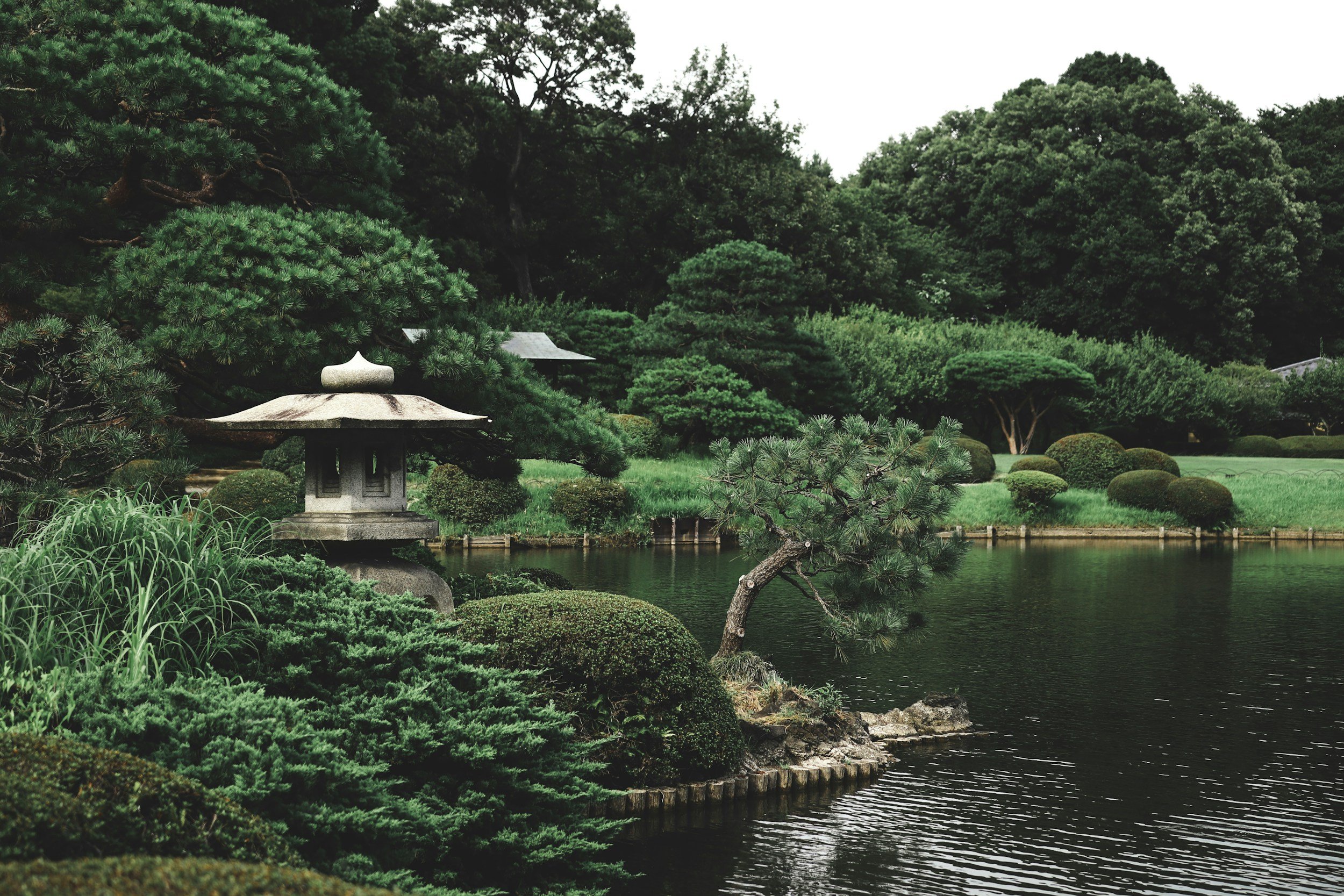
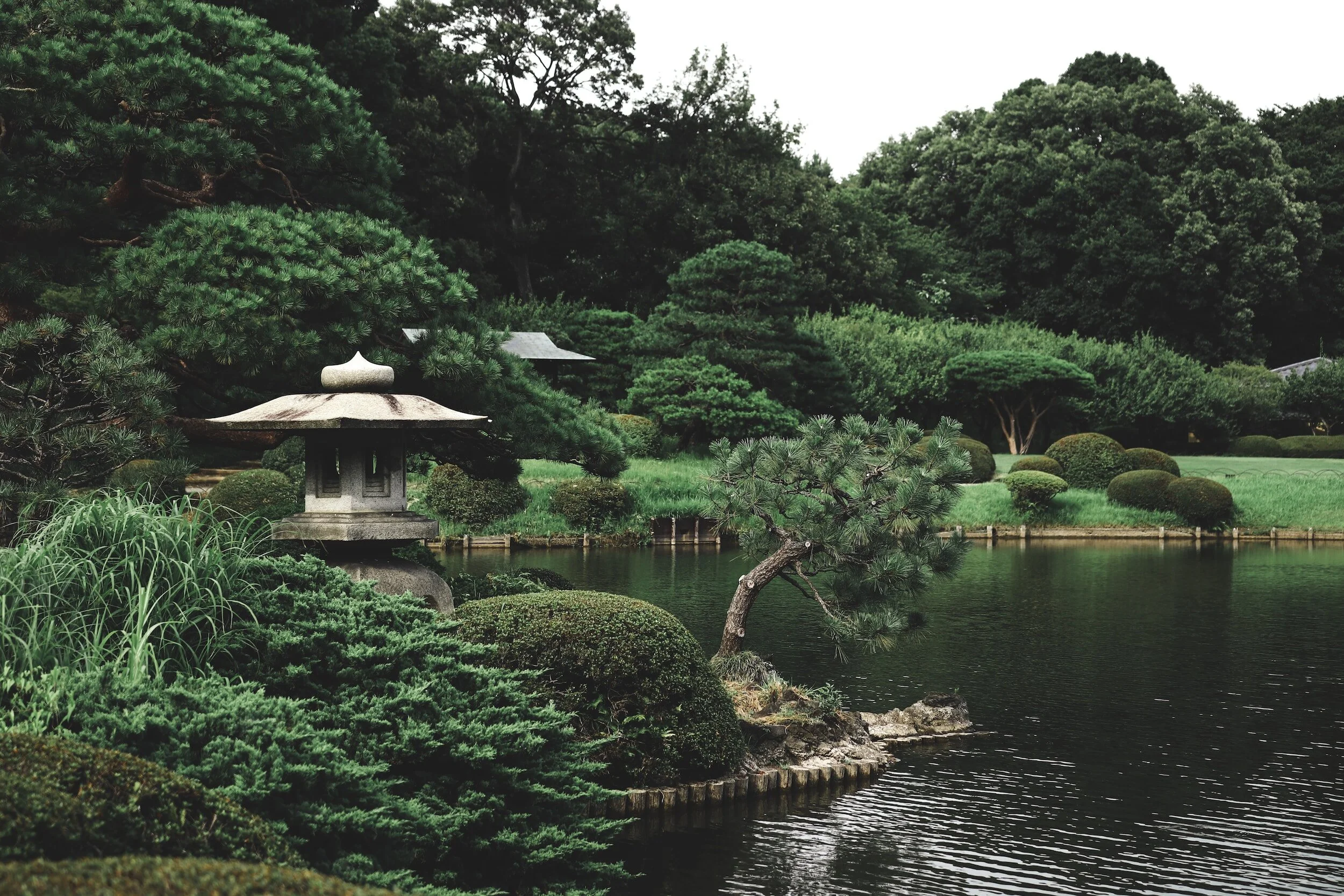
Within the embrace of this spacious park lies a treasure trove of landscapes, each a unique masterpiece. From the allure of French elegance to the charm of English allure, and the grace of Japanese serenity, discover a symphony of cultures woven into the very fabric of nature. Wander leisurely, hand in hand with the enchanting whispers of the gardens, or partake in a picturesque picnic with kindred spirits. Shinjuku Gyoen National Garden welcomes you to immerse yourself in the embrace of its captivating allure.Mount Takao:
Venture beyond Tokyo's bustling streets and find solace in the embrace of Mount Takao. This majestic mountain, nestled just outside the city, awaits with a myriad of hiking trails and panoramic vistas that will leave you breathless. Step onto the winding paths that lead you through lush forests and along cascading streams, and at the summit let the awe-inspiring views of the surrounding landscape take your heart on an exhilarating flight. Mount Takao beckons, inviting you to escape the city's rhythm and immerse yourself in nature's embrace.Yoyogi Park:
A Sanctuary of Urban Zen - At the heart of Tokyo, Yoyogi Park unfolds like a secret garden of tranquility. People-watching becomes an art as you witness the dance of diverse souls, and partake in rejuvenating activities like yoga and Tai Chi.Todoroki Valley:
Unveiling Tokyo's Hidden Treasures - Wander into the depths of Todoroki Valley, a hidden gem adorned with a gentle forest and a murmuring stream. Embrace the serenity of this natural haven, ideal for peaceful walks and picnics with cherished friends.Odaiba Beach:
A Seaside Sojourn - Amidst the glittering waters of Tokyo Bay, discover Odaiba Beach, where the city's skyline becomes the backdrop to your blissful relaxation. Bask in the sun's warm embrace as you relish the splendor of a summer day.Ogasawara Islands:
A Voyage to Nature's Paradise - Embark on a journey to the Ogasawara Islands, a UNESCO World Heritage Site adorned with pristine landscapes and teeming with extraordinary flora and fauna. Engage in hiking, snorkeling, and wildlife encounters in this realm of untamed wonder.Take a Day Trip to Okutama:
Tokyo's Mountain Retreat - Venture to Okutama, a serene mountainous paradise just two hours away from the bustling heart of Tokyo. Embark on a nature-fueled escapade, hiking through lush trails, exploring the enchanting Okutama Lake, and soaking in the soothing hot springs.
Uncover Tokyo's Hidden Gems:
Todoroki Valley:
Setagaya's Whispering Secrets - Unveil the hidden allure of Todoroki Valley in Setagaya ward, where the gentle whispers of nature soothe the soul. Stroll by the babbling river, ascend the hill for mesmerizing views, and immerse yourself in the sacred ambiance of a quaint shrine.Showa Kinen Park:
Tachikawa's Mosaic of Natural Treasures - Engulf yourself in the sprawling beauty of Showa Kinen Park in Tachikawa, a masterpiece painted with open fields, verdant forests, and serene lakes. Embrace leisurely delights by renting bikes, paddling boats, or simply savoring a delightful picnic.Yumenoshima Park:
Blooms of Beauty in Koto Ward - Embrace the transformation of Yumenoshima Park, where the once dormant landfill has blossomed into a vibrant tapestry of gardens. Wander through a tropical greenhouse, revel in the elegance of the rose garden, and indulge in activities like fishing and archery.Okutama:
Nature's Embrace in Tokyo's Western Realm - Seek solace in the arms of Okutama, gracing Tokyo's western edge with untamed beauty. Traverse the winding Tama River, traverse sacred shrines and temples, and navigate the waters through kayaking and rafting.